Cooking as Therapy: The Impact of Culinary Arts on Mental Health and Well-Being
The Therapeutic Aspects of Culinary Arts
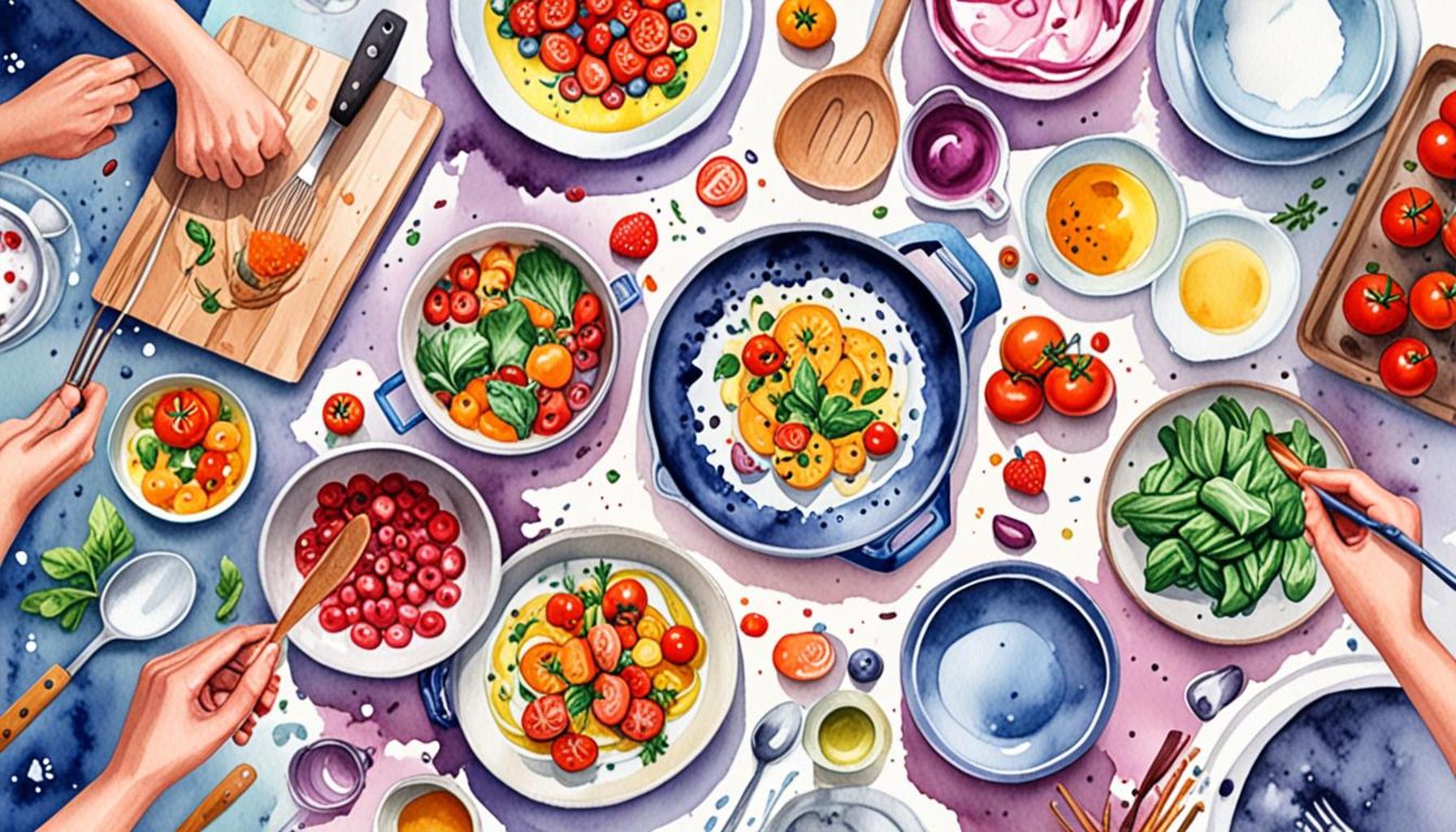
In an age defined by rapid changes and escalating stress levels, the kitchen stands as a refuge for many. Beyond its primary role of preparing nourishing meals, the act of cooking can serve as an exceptionally powerful means of enhancing mental well-being. Engaging with culinary arts encourages individuals to immerse themselves in a practice that not only feeds the body but also nourishes the mind.
The therapeutic benefits of cooking manifest in several significant ways:
- Mindfulness: Cooking requires concentration. From chopping vegetables to simmering sauces, each step demands attention. This focused engagement allows individuals to disconnect from the chaos of daily life and immerse themselves in the present moment. Techniques like mindful cooking encourage cooks to appreciate the sights, sounds, and smells of their culinary endeavors, akin to practices such as meditation.
- Creativity: The kitchen is a canvas, and every meal preparation is a new masterpiece. Experimenting with flavors and techniques can stir the creative spirit, providing the opportunity to play with colors and textures. By trying out new recipes or personalizing traditional ones, cooks can express themselves artistically. This creative outlet can be especially beneficial for those who may feel stifled in other areas of their lives.
- Physical Activity: Beyond its mental advantages, cooking involves a variety of physical movements, from standing and chopping to stirring and kneading. These actions can serve as gentle forms of exercise, promoting better circulation and muscle tone while simultaneously allowing individuals to remain active without the rigor of an intense workout.
Numerous studies corroborate the connection between cooking and enhanced mental health. Engaging in food preparation can help reduce anxiety and depressive symptoms, providing a sense of accomplishment and self-efficacy. The kitchen can transform into a personal sanctuary where individuals not only regain control over their health but also experience the joy of creation. In this space, the act of cooking becomes an empowering ritual rather than a mundane chore.
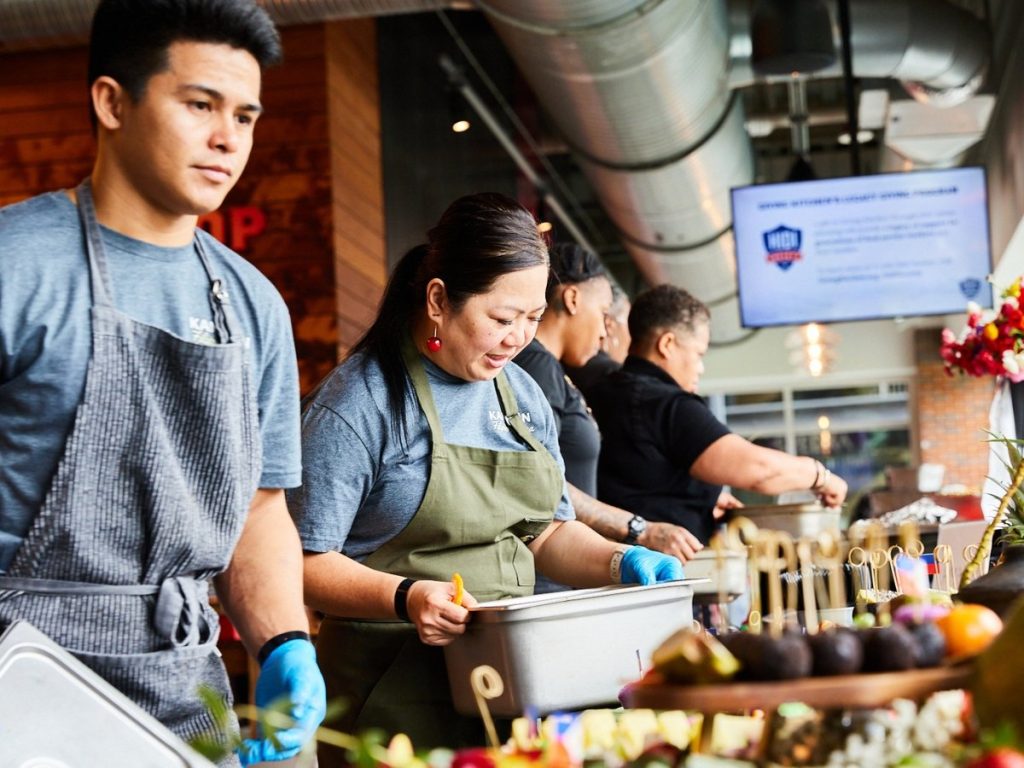
Additionally, the social dimension of cooking should not be underestimated. Sharing meals with family and friends can foster connection and community. In a time when loneliness is a widespread issue—particularly in the wake of the COVID-19 pandemic—inviting others to join in the culinary experience can enhance social bonds and create cherished memories. Across American culture, family gatherings often revolve around meals, reinforcing the idea that food is a fundamental aspect of connection.
Ultimately, the culinary arts offer a rich tapestry of benefits that stretch far beyond food preparation. Delving into the impact of cooking on mental wellness illuminates the profound relationship between nurturing our bodies and uplifting our spirits. By integrating cooking into our lives, we invite a holistic approach to health, enriching both the physical and mental aspects of our daily existence.
DIVE DEEPER: Click here to ignite your creativity
Nourishing the Mind Through Culinary Exploration
Culinary arts extend far beyond the confines of preparing food; they harbor an intrinsic ability to nurture the mind and bolster emotional well-being. As individuals embrace the act of cooking, they often uncover transformative benefits that enhance their mental health. According to recent studies, engaging in cooking can act as a form of self-care, offering relief from everyday stressors and contributing to resilience.
One key aspect of cooking as a therapeutic tool is its inherent ability to promote mindfulness. Mindfulness practices have gained traction over the years as an effective means of reducing anxiety and increasing overall happiness. Cooking, by nature, invites participants to slow down and focus on the task at hand. Various cooking techniques, such as slicing, sautéing, and seasoning, engage the senses and facilitate a calming state of flow. This meditative approach resonates with those grappling with the frenetic pace of modern life, providing a sanctuary where they can reconnect with themselves.
Moreover, cooking can serve as a creative outlet. From exploring diverse cuisines to innovating with ingredients at hand, the kitchen becomes a space for self-expression. Research indicates that creative endeavors, including cooking, can foster positive emotions and enhance self-esteem. Moreover, those experiencing a creative block in other aspects of their lives might find renewed inspiration in experimenting with recipes, allowing the cooking process to ignite their passion once again.
The following benefits further illustrate the myriad ways cooking can positively influence mental well-being:
- Social Connection: Preparing meals can serve as a catalyst for connection, inviting family and friends to join in the process. Whether through cooking classes, virtual gatherings, or simply hosting a dinner party, the act of sharing culinary experiences nurtures relationships and builds community.
- Sense of Accomplishment: Completing a recipe successfully, especially something new or complex, offers a sense of achievement. This accomplishment can boost confidence and self-worth, reinforcing a positive self-image.
- Stress Relief: Cooking can be a form of escapism, allowing individuals to shift their focus away from stressors and immerse themselves in preparing a meal. The rhythmic motions of chopping and stirring can be soothing, acting as a natural stress relief mechanism.
- Emotional Regulation: The kitchen allows individuals to channel their emotions constructively. For those experiencing anxiety or sadness, cooking can be a cathartic outlet, providing a productive way to process feelings through creativity.
Culinary therapy is not just a passing trend; it is a powerful tool that has proven effective for many. Programs integrating cooking classes in mental health treatments have emerged across the United States, advocating for the integration of culinary arts into mental health strategies. As more people acknowledge the link between cooking and personal wellness, the discussion surrounding cooking as therapy continues to gain momentum. The implications are profound, suggesting that by fostering a deeper connection with food preparation, individuals can cultivate a more profound relationship with their mental health.
| Advantages | Impact on Mental Health |
|---|---|
| Enhancement of Mood | Engaging in cooking can lead to the release of feel-good hormones such as serotonin, elevating one’s overall mood. |
| Mindfulness Practice | The act of cooking requires focus on tasks which fosters mindfulness and can diminish stress levels. |
| Improved Social Interactions | Meal preparation can be a communal activity that strengthens relationships and promotes feelings of belonging. |
| Boosted Self-Esteem | Acquiring cooking skills can enhance self-confidence, leading to an improved self-image. |
Exploring the landscape of cooking as an avenue for mental well-being unveils various layers of benefits. Cooking offers a sensory experience that stimulates both creativity and pleasure, leaving individuals feeling accomplished upon the completion of a meal. This process can serve as a vital escape for many, pulling them away from daily worries and immersing them in the present moment. Moreover, cooking allows people to reconnect with cultural and familial traditions, evoking strong emotional responses that can further enhance an individual’s emotional state.Incorporating therapeutic culinary activities can significantly bolster support systems for those dealing with mental health challenges. Community kitchens and group cooking classes are trending as effective platforms to encourage social interactions and emotional bonding. Each dish prepared can represent a shared experience, fostering a sense of togetherness that combats feelings of isolation often associated with mental health struggles.The therapeutic journey of cooking does not stop at emotional benefits; it extends into the realm of nutritional awareness. Cooking at home often leads to healthier eating habits, which can dramatically influence mood and mental well-being. Engaging in wholesome culinary practices nurtures both the body and mind, creating a balanced emotional ecosystem essential for overall health. As the exploration of cooking as therapy unfolds, it becomes evident that culinary arts hold immense potential in supporting mental health, encouraging a deeper understanding of the intersection between food, creativity, and emotional resilience.
DISCOVER MORE: Click here to dive into the world of baking
The Therapeutic Benefits of Cooking: A Closer Look
The therapeutic benefits of cooking extend beyond the immediate experience; they also encompass long-term implications for mental health and well-being. Various studies highlight the correlation between cooking and improved cognitive function, emotional stability, and a greater sense of purpose in life. Increasingly, healthcare providers and mental health professionals are recognizing the potential of culinary arts as a complementary therapy.
One insightful aspect of cooking therapy is its role in enhancing cognitive skills. Engaging in culinary activities demands a range of cognitive functions, including planning, problem-solving, and multitasking. These skills, when exercised regularly through cooking, can aid in sharpness of cognition and memory, particularly among older adults. A study conducted by researchers at the University of Illinois discovered that older adults participating in cooking classes exhibited improved memory and cognitive flexibility, indicating that culinary arts can significantly contribute to brain health.
Furthermore, cooking can play a vital role in developing healthy eating habits, which are essential for maintaining both physical and mental health. As individuals gain more hands-on experience in the kitchen, they often develop a better understanding of nutrition and the benefits of whole, unprocessed foods. This knowledge empowers them to make healthier choices in their diet. Research shows that improved nutrition directly correlates with enhanced mood and emotional well-being. Consequently, cooking can serve as a dual channel for mental and physical health benefits.
Cooking also creates a unique opportunity for individuals to forge mindfulness habits. The process encourages individuals to focus on the present moment, heightening their awareness and promoting a sensory appreciation of ingredients. This heightened sense of presence can help individuals combat racing thoughts and anxiety, anchoring them in a moment of creativity and passion. The act of kneading dough, simmering sauces, or garnishing dishes often invites a peaceful state of mind, making cooking an ideal antidote against the chaos of daily life.
Moreover, the transformative power of food cannot be overlooked. The emotional connections tied to cooking often stem from cultural backgrounds, family traditions, or cherished memories. Preparing and sharing comfort foods can evoke a deep sense of belonging and nostalgia, promoting emotional healing. Family recipes passed down through generations carry a wealth of emotional significance, allowing individuals to engage in their heritage while also fostering connections with loved ones. These shared culinary experiences can help strengthen relationships and create a supportive network that is essential for mental well-being.
To further highlight the significance of culinary arts in therapeutic contexts, numerous organizations and programs have been launched across the United States that blend cooking education with mental health support. Initiatives such as the Therapeutic Culinary Institute and the Culinary Therapy program assist mental health practitioners in integrating cooking into their treatment modalities. Participants often report reduced symptoms of depression, anxiety, and isolation after experiencing these programs, affirming the profound impact of cooking as a tool for emotional growth and resilience.
The connection between culinary arts and mental health continues to be explored, evidencing that cooking is more than just a means of sustenance; it is a powerful avenue for healing and self-discovery. As this relationship is further understood, it opens the door for individuals to engage in culinary practices not merely as a hobby but as a transformative journey toward improved mental well-being.
DIVE DEEPER: Click here to discover more
Reaping the Rewards of Culinary Therapy
In summary, the exploration of cooking as therapy unveils a rich tapestry of benefits that extends far beyond the confines of the kitchen. This unique approach has demonstrated its potential to foster emotional resilience, enhance cognitive skills, and cultivate meaningful social connections. As individuals embrace culinary practices, they not only improve their physical health through better dietary choices but also nurture their mental well-being through the therapeutic act of cooking.
The emotional connections tied to preparing and sharing meals remind us of the importance of community and tradition in fostering resilience. The act of cooking, with its meditative qualities and sensory engagement, offers a powerful antidote to stress, anxiety, and isolation, reinforcing the mind-body connection that is so vital for holistic health.
As the field of mental health continues to evolve, integrating culinary arts into therapeutic environments is gaining momentum. Programs are emerging across the country, highlighting the profound impact that culinary experiences can have on healing and self-discovery. By embracing cooking as a therapeutic tool, individuals can embark on a journey of creativity, mindfulness, and personal growth, transforming not only what they eat but also how they relate to themselves and others.
In light of these insights, it is essential for individuals and mental health professionals alike to recognize the significance of cooking as an accessible and meaningful therapeutic outlet. By promoting cooking not just as a means to an end, but as a valuable component of wellness, we create opportunities for healing that resonate on multiple levels. So, whether you are a seasoned chef or a novice in the kitchen, allow yourself the freedom to explore the therapeutic benefits of cooking; your mental well-being may just flourish in the process.