Craft Techniques that Stimulate Creativity and Concentration

Unlocking Creativity through Craft Techniques
In a world overwhelmed by digital distractions, finding ways to enhance creativity and concentration is more crucial than ever. Engaging in hands-on craft techniques not only offers a break from screens but also nurtures the mind in unique ways. These activities create an immersive environment that encourages deeper focus and innovative thinking.
What Makes Craft Techniques Effective?
Craft techniques have been shown to stimulate both creativity and concentration through various mechanisms:
- Mindfulness: Many craft activities require intense focus, promoting a state of mindfulness that can significantly reduce stress levels. For example, the act of coloring in an intricate mandala requires attention to detail, allowing the mind to disengage from everyday worries and focus solely on the task at hand. Research has even shown that such mindfulness practices can lead to improved mental health and well-being.
- Motor Skills: Engaging fine motor skills through crafting enhances coordination and concentration, fostering a better connection between mind and body. Activities such as sewing or woodworking not only engage your hands but also demand planning and spatial reasoning, further stimulating cognitive function.
- Sensory Engagement: The tactile nature of crafting awakens the senses, prompting new mental pathways for creative thoughts. Whether it’s the feel of clay in your hands while sculpting or the vibrant colors of paints on your palette, these sensory experiences enrich the creative process, enabling a stronger connection to your artistic expressions.
Popular Craft Techniques to Explore
There is a wide spectrum of craft activities that can provide a much-needed boost to your mental clarity and creativity. Some of the most engaging options include:
- Knitting and Crochet: These activities involve repetitive motions, much like meditation, which can deepen relaxation and foster a meditative state. Both knitting and crochet groups have become popular in community centers across the country, creating social hubs while promoting mental health and wellness.
- Painting and Drawing: As expressive outlets, visual arts enhance imaginative thought and provide a platform to explore feelings and ideas. Numerous studies have linked regular engagement in artistic activities to increased innovative thinking, demonstrating that even doodling during meetings can spark creativity.
- DIY Projects: Crafting your own home decor or upcycling furniture facilitates hands-on problem-solving, which inherently sparks innovation. Platforms like Pinterest and YouTube offer countless tutorials, inspiring individuals to take on new projects and develop their creative skills further.
Whether you’re an experienced artisan or a curious beginner, integrating these craft techniques can provide the mental stimulation you seek. Crafting not only offers a constructive escape from the digital noise but also allows for personal growth and creative exploration. Explore further to find which crafts resonate with your creative spirit, and consider joining local workshops or online communities dedicated to these activities for enhanced motivation and inspiration. Embrace the joy of creating and unlock the depths of your creativity today!
DISCOVER MORE: Click here to learn about the transformative power of music education
Discovering Craft Techniques for Creative Empowerment
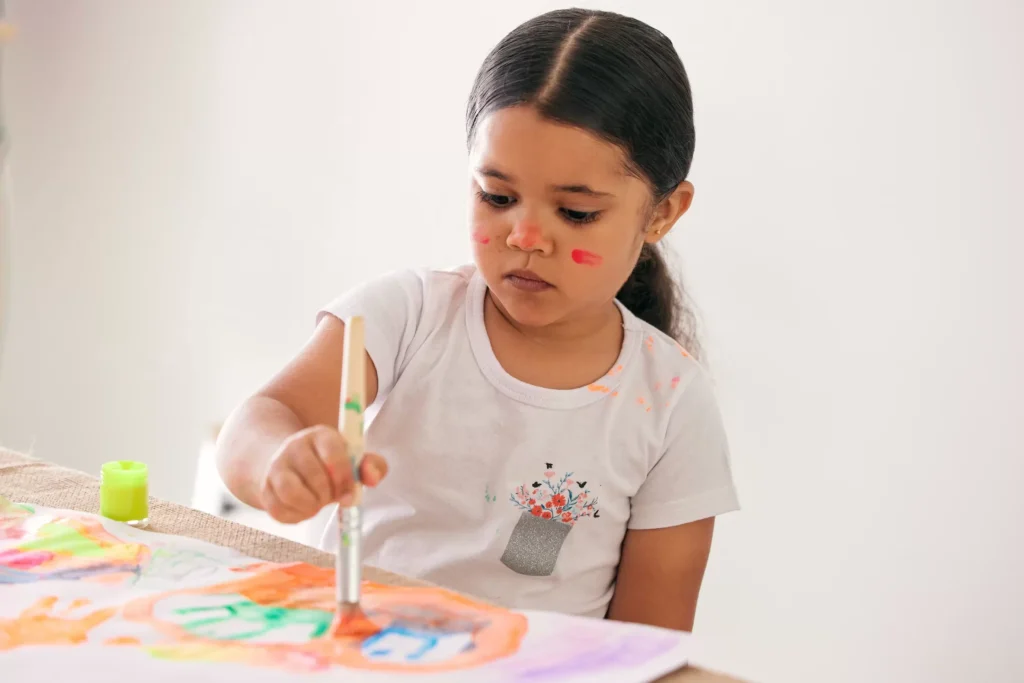
As the world increasingly shifts towards digital engagements, the importance of engaging in tactile, hands-on activities cannot be overstated. Craft techniques serve as meaningful avenues to foster both creativity and concentration, providing individuals with the tools to tap into their unique artistic expressions. By immersing oneself in a craft, the brain enters an optimal state for creativity, allowing thoughts to flow freely while simultaneously sharpening focus.
How Crafting Engages the Mind
The effectiveness of craft techniques in stimulating creativity and concentration can be attributed to several key psychological and neurological factors:
- Flow State: Engaging in crafting, whether through pottery, beadwork, or woodworking, can induce a state of flow. This psychological term—coined by psychologist Mihály Csíkszentmihályi—describes the optimal experience of being completely absorbed in a task, where time feels suspended and creativity flourishes. Crafting allows individuals to immerse themselves in the present moment, promoting substantial mental focus and satisfying creativity.
- Creative Problem-Solving: Many craft projects require critical thinking and problem-solving skills, whether it’s designing a quilt pattern or figuring out the best way to assemble a model. This engagement stimulates cognitive faculties and encourages innovative thinking, qualities essential for both personal and professional growth.
- Emotional Expression: Crafts can serve as emotional outlets, providing a safe space to convey thoughts and feelings. Activities like journaling through art or creating expressive sculptures can help individuals process complex emotions, fueling creativity and allowing for a deeper understanding of oneself.
Craft Techniques to Enhance Your Creative Flow
Delving into various craft techniques can unlock new levels of creativity and focus. Here are some popular methods to consider:
- Embroidery: This traditional craft offers a rhythmic and meditative experience. The process of stitching intricate patterns encourages attention to detail, enhances focus, and provides a satisfying sense of accomplishment.
- Pottery: Shaping clay is not only physically engaging but also mentally stimulating. The tactile experience of molding and sculpting clay can serve as a sensory validation of one’s creative expression, encouraging deeper imaginative thinking.
- Creative Writing: While often overlooked as a craft activity, writing short stories, poetry, or personal essays can be an incredibly effective way to enhance creativity. The act of weaving words into narratives stimulates the mind and encourages original thought.
Crafting is more than just creating; it is nurturing the skills that ignite innovation and sharpen concentration. By embracing various craft techniques, individuals can embark on a journey of self-discovery and artistic expression. Make it a priority to explore these hands-on activities and consider seeking out local classes or online tutorials to fully immerse yourself in the world of crafting. The potential for creativity awaits your discovery!
| Craft Technique | Benefits |
|---|---|
| Knitting and Crocheting | Enhances focus by requiring attention to detail, while also providing a calming rhythm. |
| Origami | Boosts spatial reasoning and patience as each fold requires precision and planning. |
| Painting | Stimulates creative expression and encourages the use of color and imagination to convey concepts. |
| Woodworking | Develops concentration through meticulous planning and execution of designs, enhancing manual dexterity. |
| Scrapbooking | Encourages storytelling and creative organization, connecting memories with artistic flair. |
Exploring these craft techniques can open new avenues for personal growth, encouraging both creativity and focus. Engaging in activities such as knitting can create a meditative environment, helping to reduce stress while fostering a sense of accomplishment. Similarly, origami not only challenges the mind but helps to enhance fine motor skills through intricate folds. Painting allows individuals to immerse themselves in color theory, unleashing pent-up creativity.Moreover, woodworking encourages critical thinking, as each project demands careful consideration of measurements and material selection. Scrapbooking transcends beyond mere decoration, acting as a powerful medium for self-expression, where each page tells a story imbued with personal significance. Art is not limited to aesthetics; when approached as a discipline, it becomes a pathway to heightened concentration and divergent thinking. Each technique offers a unique entry into a world where creativity flourishes, and thought processes shift, creating an exciting endeavor for anyone willing to explore.
DIVE DEEPER: Click here to discover the stress-relieving power of music
Exploring Unique Crafting Modalities for Enhanced Focus
Individuals seeking to embark on a creative journey should recognize that the world of crafting is vast and ever-evolving. Innovative craft techniques can ignite the spark of creativity while reinvigorating one’s capacity for concentration. From textile arts to digital crafts, these various modalities each provide distinctive benefits that contribute to artistic growth and heightened focus.
Integrating Technology with Crafting
Today’s crafting scene is not limited to traditional techniques. The integration of technology into crafting offers exciting new avenues for creativity:
- Digital Illustration: Using software like Adobe Illustrator or Procreate, artists can create stunning digital pieces that still provide a sense of tactile engagement. The freedom to explore colors and designs with a stylus can lead to a state of heightened concentration, as users become immersed in the digital canvas.
- 3D Printing: This cutting-edge technology allows crafters to transform digital designs into tangible objects. Learning to navigate 3D modeling software not only fosters innovative thinking but also provides a hands-on experience through the printing process, stimulating both mind and senses.
- Online DIY Classes: Platforms like Skillshare or YouTube are bursting with craft tutorials that fuel creative exploration. Engaging with content creators can inspire new techniques and collaborative projects, enhancing focus as participants follow step-by-step instructions.
The Therapeutic Benefits of Crafting
Beyond the immediate effects on concentration and creativity, crafting possesses therapeutic qualities that can significantly improve mental health:
- Mindfulness Practices: Techniques such as adult coloring books or fabric painting encourage mindfulness—a state of active, open attention to the present. By focusing on the sensations of craftwork, individuals can reduce stress and anxiety, thus enhancing overall cognitive function.
- Community Engagement: Joining local crafting groups or workshops creates opportunities for social interaction, fostering a sense of belonging. Collaborative crafting can lead to shared inspiration and encouragement, which significantly boosts one’s creative output while maintaining focus on group projects.
- Skill Development: Each craft mastered contributes to a skill set that enhances self-confidence. Whether learning to knit, sew, or paint, gaining expertise in a craft enables individuals to tackle larger, more complex projects, which in turn, cultivates concentration and perseverance.
Choosing Craft Techniques that Suit Your Style
It’s crucial to recognize that not all crafting techniques resonate with every individual. Experimenting with different modalities can help crafters find what truly stimulates their creativity:
- Woodworking: Working with wood invites individuals to develop their design skills while enhancing fine motor control. The meticulous nature of woodworking encourages a deep focus on every cut and join.
- Paper Quilling: This paper art technique involves rolling and shaping thin strips of paper into intricate designs. It offers a slow, methodical process that fosters concentration and precision.
- Mixed Media Art: Combining various materials—like paint, fabric, and found objects—can lead to surprising creative outcomes. The freedom offered by mixed media art encourages experimentation while enhancing problem-solving abilities.
Adopting diverse craft techniques not only promotes creativity and concentration but also provides meaningful ways to connect with oneself and others. By exploring these avenues, individuals can experience the multifaceted benefits of crafting, fueling both imaginative expression and cognitive engagement.
DISCOVER MORE: Click here to dive deeper
Conclusion: Unleashing Potential through Craft Techniques
In a world where distractions are abundant, the embrace of craft techniques that stimulate creativity and concentration proves invaluable. As we have explored, crafting is not just a pastime but a transformative experience that enables individuals to hone their focus while simultaneously enhancing their creative expression. Whether through traditional forms like woodworking and paper quilling or by leveraging modern technology such as digital illustration and 3D printing, the opportunities for artistic exploration are limited only by one’s imagination.
Moreover, the therapeutic benefits of crafting cannot be overlooked. Engaging in mindful practices and participating in community crafting sessions serve to foster not only self-discovery but also social connectivity, essential elements to our overall wellbeing. As individuals immerse themselves in these varied modalities, they discover not only new skills but also the resilience to tackle more complex challenges.
Ultimately, the journey into crafting is personal and requires a willingness to experiment and adapt. By taking the time to explore different techniques, individuals can uncover what resonates most with their artistic sensibilities and lifestyle. As one embarks on this creative path, the cultivated skills extend beyond the canvas, influencing daily life and decision-making processes. Crafting holds the promise of enriching one’s life, making every project a potential avenue for growth, connection, and sustained focus. So, gather your materials and embrace the transformative power of crafting—your creative journey awaits!