Culinary and Art: The Intersection of Gastronomy and Other Forms of Creative Expression
Exploring Artistry in Culinary Expression
The world of culinary arts transcends the preparation and presentation of food; it embodies a powerful medium through which emotions are conveyed, stories are narrated, and memories are evoked. The interplay between cooking and various creative disciplines unveils a rich landscape, revealing how ingredients and flavors intertwine with artistic expression.
Food has long been rooted in culture throughout history, functioning not just as sustenance but as a means of communication. By exploring significant intersections of gastronomy with other art forms, we can gain insight into this intricate relationship. For example:
- Visual Arts: The craft of plating has elevated culinary presentation to an art form, where every dish is curated like a painting. Chefs meticulously design their plates, balancing colors, shapes, and textures. Consider the vibrant arrangements of a Ratatouille or a deconstructed dessert. These dishes not only satisfy the palate but also captivate the eyes, encouraging diners to appreciate the artistry before tasting a single bite.
- Performing Arts: Culinary events increasingly resemble theatrical performances, complete with dramatic flair and narrative arcs that engage audiences. Renowned chefs such as Wolfgang Puck or José Andrés often demonstrate culinary techniques live, inviting attendees to witness the passion behind their dishes. This blend of cooking and performance turns food preparation into an experience, further enhancing its connection to the audience.
- Literature: The modern cookbook has evolved beyond a mere collection of recipes; it tells stories that reflect cultural heritage and personal journey. For instance, works such as “Salt, Fat, Acid, Heat” by Samin Nosrat not only instruct the reader on cooking fundamentals but also offer a deep dive into the philosophy of food and its historical significance. This integration of narrative enhances our understanding and appreciation of culinary traditions.
The contemporary movements in food photography and experiential dining demonstrate the ongoing synergy between taste and creativity. Food photography captures not just the meal, but the atmosphere, evoking sensations that can transport viewers to a place or memory imbued with aroma and flavor. Meanwhile, immersive dining experiences, such as those crafted by chefs like Grant Achatz of Alinea, invite diners to partake in multisensory adventures that challenge perceptions and redefine the act of eating.
As we further investigate this captivating relationship, it becomes clear that the fusion of culinary arts with other creative expressions fosters a richer sensory experience. It bridges gaps between culture, artistry, and community, prompting us to engage with food not just as a necessity, but as a profound element of our shared heritage. This journey into the intersection of flavors and creativity encourages exploration and appreciation, revealing deeper connections that extend well beyond the dining table.
DISCOVER MORE: Click here to enhance your plating skills
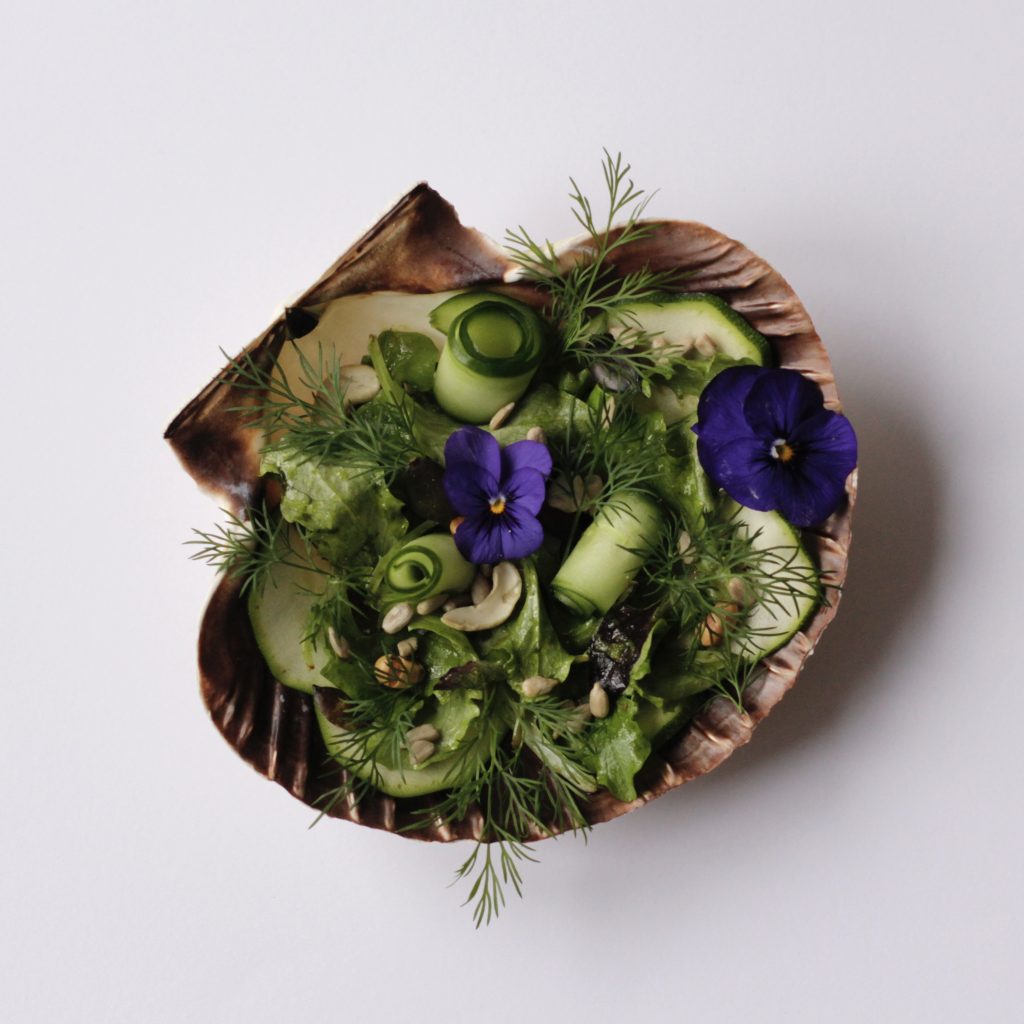
A Palette of Flavors: The Artistic Medium of Cooking
The intricate connection between culinary arts and creativity extends beyond mere aesthetics; it unfolds as a dialogue between tradition and innovation, allowing chefs to express their identity and cultural heritage. Just as artists wield brushes and sculptors mold clay, culinary creators manipulate ingredients to craft works that resonate with their audience. This synthesis not only enhances the dining experience but also fosters a greater appreciation for the stories behind each dish.
In the realm of gastronomy, evocative flavors serve as a conduit for self-expression. Chefs often draw inspiration from their backgrounds, personal experiences, and regional influences. For instance, Noma’s René Redzepi has transformed Nordic cuisine, using foraged ingredients to create a culinary narrative that speaks to the landscape and culture of his homeland. This approach not only showcases the diversity of local produce but also allows diners to engage with food in a way that transcends taste.
Additionally, the artistry of culinary crafts is observable in various forms, from molecular gastronomy that plays with textures and sensations to traditional artisanal bread making that reveres age-old techniques. Each method reflects a unique voice, allowing chefs to weave their personal artistry into the meals they create. Here are several key facets that illustrate this intersection of cooking with other artistic disciplines:
- Fashion and Culinary Synchrony: Culinary presentations often borrow elements from fashion design. Renowned chefs like Alice Waters incorporate seasonal aesthetics into their culinary creations, akin to runway trends that celebrate color and texture. These culinary ensembles move beyond the plate, transforming dining into a visual feast that embodies both style and substance.
- Music as a Dining Companion: The rhythm of a dining experience is further enriched by music, where sound becomes another layer of artistry. Restaurants often curate playlists that resonate with the theme of their menu. Some establishments create multi-course meals that align with the tempo of live musical performances, encapsulating a symphony of flavors and sounds that excite the senses.
- Architecture and Space Design: The physical environment in which food is served plays a crucial role in enhancing the culinary experience. Modern restaurants are designed with an eye for ambiance, integrating artistic elements that harmonize with the culinary presentation. The balance between space, decor, and taste enhances not only the meal but also the emotional connection to the dining experience.
The convergence of these artistic forms elevates food from a basic need to an expression of cultural identity and community cohesion. While culinary arts engage the palate, they also provoke thought and evoke memories, making each dish a canvas for storytelling. This profound relationship invites guests to explore food as a vibrant medium that invites both introspection and celebration, reshaping how we perceive and enjoy the act of dining.
| Category | Description |
|---|---|
| Culinary Fusion | The blending of diverse global cuisines that creates innovative dishes, reflecting cultural narratives. |
| Visual Artistry | Artful presentation of food, considering color, texture, and form to enhance the gastronomic experience. |
| Food Sculpture | Creating edible art pieces that are both visually stunning and delicious, merging creativity with culinary skill. |
| Culinary Exhibitions | Events where chefs showcase their craft, ranging from cooking shows to food festivals, emphasizing artistic expression. |
The rich tapestry of culinary arts is woven with threads of creativity and originality, inviting enthusiasts to explore a world where gastronomy meets artistic endeavors. Culinary fusion exemplifies this intersection, painting a delicious narrative through innovative dishes that celebrate cultural heritages. Adopting techniques from various culinary traditions, chefs create remarkable fusions that tantalize the palate while telling the story of global influences.Moreover, the artistry involved in food presentation transforms simple meals into visual masterpieces. The careful arrangement of ingredients, color palettes, and textural contrasts appeal to the eye as much as to the taste buds. A meal that satisfies not only through flavor but also through aesthetics speaks to the profound connection between food and art.In addition, food sculpture provides a captivating avenue for culinary creativity. Chefs who dabble in creating stunning edible works of art deliver more than just nourishment; they offer a multisensory experience that intertwines taste and creativity. As culinary exhibitions gain popularity, they become platforms for chefs to demonstrate their skills, inviting a deeper understanding of the art that lies within every dish. Through these expressions, the dialogue between gastronomy and creative expression continues to flourish, revealing endless possibilities for exploration and appreciation.
DISCOVER MORE: Click here to delve into innovative projects
The Global Palette: Culinary Diversity as Artistic Expression
Exploring the intersection of culinary arts and creative expression leads us to appreciate the rich tapestry of global cuisines. Each culinary tradition carries its own narratives, deeply rooted in the history, geography, and socio-economic contexts of its people. This diversity not only enriches our palates but also provides artists with a boundless array of inspiration. For instance, the vibrant flavors of Thai cuisine are often complemented by intricate presentations that rival any work of art. Dishes like a beautifully plated mango sticky rice or a fragrant green curry highlight the artistic approach in both flavor and presentation.
Moreover, food festivals around the globe serve as a celebration of this culinary creativity. Events such as the James Beard Foundation Awards in the United States honor chefs who excel in artistry and innovation. These gatherings not only showcase exceptional dishes but also highlight the collaborative dialogue between chefs, farmers, and artisans. This multi-faceted connection fosters an appreciation for the art of cooking as a community event, where food becomes an agent for cultural exchange and storytelling.
In addition to cultural influences, contemporary chefs are redefining boundaries by combining different culinary traditions into hybrid cuisines. The emergence of fusion cuisine, for example, presents a canvas where chefs like Roy Choi blend Korean BBQ with Mexican tacos, creating dishes that reflect a rich cultural dialogue. This culinary experimentation does not simply blend flavors; rather, it tells a story of personal identities, globalization, and communal experiences. Such culinary constructs lead diners on a journey that explores not only taste but also compelling narratives woven into each bite.
Artistic Collaboration: The Chefs and Their Allies
The convergence of culinary arts with other creative fields often manifests in dynamic collaborations. For example, chefs frequently partner with visual artists and designers to create immersive dining experiences. The famed in situ restaurant in San Francisco is known for its pioneering approach, combining contemporary art with gastronomy, where every dish is inspired by regional landscapes. This blending invites diners not only to taste the meal but to engage with art in a multifaceted manner. Each plate tells a story—not just through flavor but through the artistic vision that inspired its creation.
Furthermore, social media platforms like Instagram have transformed how food is perceived and represented. The visual aspect of dining has gained prominence, with chefs and home cooks alike sharing colorful compositions of food art. This trend has fostered a new genre of artistic expression where the aesthetics of food can be celebrated in real-time, expanding culinary storytelling to a global audience. The image of a meticulously crafted dessert or a vividly plated entrée can go viral, illustrating the powerful intersection of culinary and visual arts in an age where aesthetics play a crucial role in consumer experience.
The relationship between culinary arts and other forms of creative expression continues to evolve, enriching our understanding of both food and art. It invites diners to perceive their meals through the lens of cultural exchange, collaboration, and innovation, promoting a deeper appreciation for the stories held within every dish. As art and gastronomy meld, they create shared experiences that linger well beyond the dining table, reshaping how we perceive food as an integral part of our collective cultural narrative.
DISCOVER MORE: Click here to unlock your creativity
Conclusion: A Flavorful Symphony of Creativity
The exploration of culinary arts as a form of creative expression reveals a remarkable synergy that resonates deeply with audiences worldwide. As we have seen, the rich diversity of global cuisines not only tantalizes our taste buds but also enriches our artistic sensibilities. From the intricate presentations of dishes to the cultural narratives embedded within various food traditions, the art of cooking becomes a profound statement of identity, history, and innovation.
Moreover, the collaborations between chefs and artists have birthed immersive experiences that transcend the conventional dining model, inviting diners to engage with food in multifaceted ways. These partnerships highlight how artistic vision can elevate gastronomy, transforming meals into vivid storytelling experiences that resonate long after the last bite. The digital age, punctuated by social media platforms, further amplifies this connection, showcasing stunning food artistry and allowing culinary journeys to be shared and celebrated across the globe.
Ultimately, the intersection of culinary and visual arts calls for a heightened appreciation of food—not merely as sustenance, but as a powerful medium for cultural exchange and individual expression. As we continue to witness this evolution, it is evident that food will remain a vital thread in the fabric of our collective cultural narrative, inviting us all to savor and celebrate the artistry that enriches our dining experiences. What will be the next canvas for culinary creativity? The possibilities are endless, inviting us to explore, taste, and create anew.