
Culinary and Music: How Sounds and Rhythms Influence Dish Creation
The Interplay of Senses in Culinary Creativity
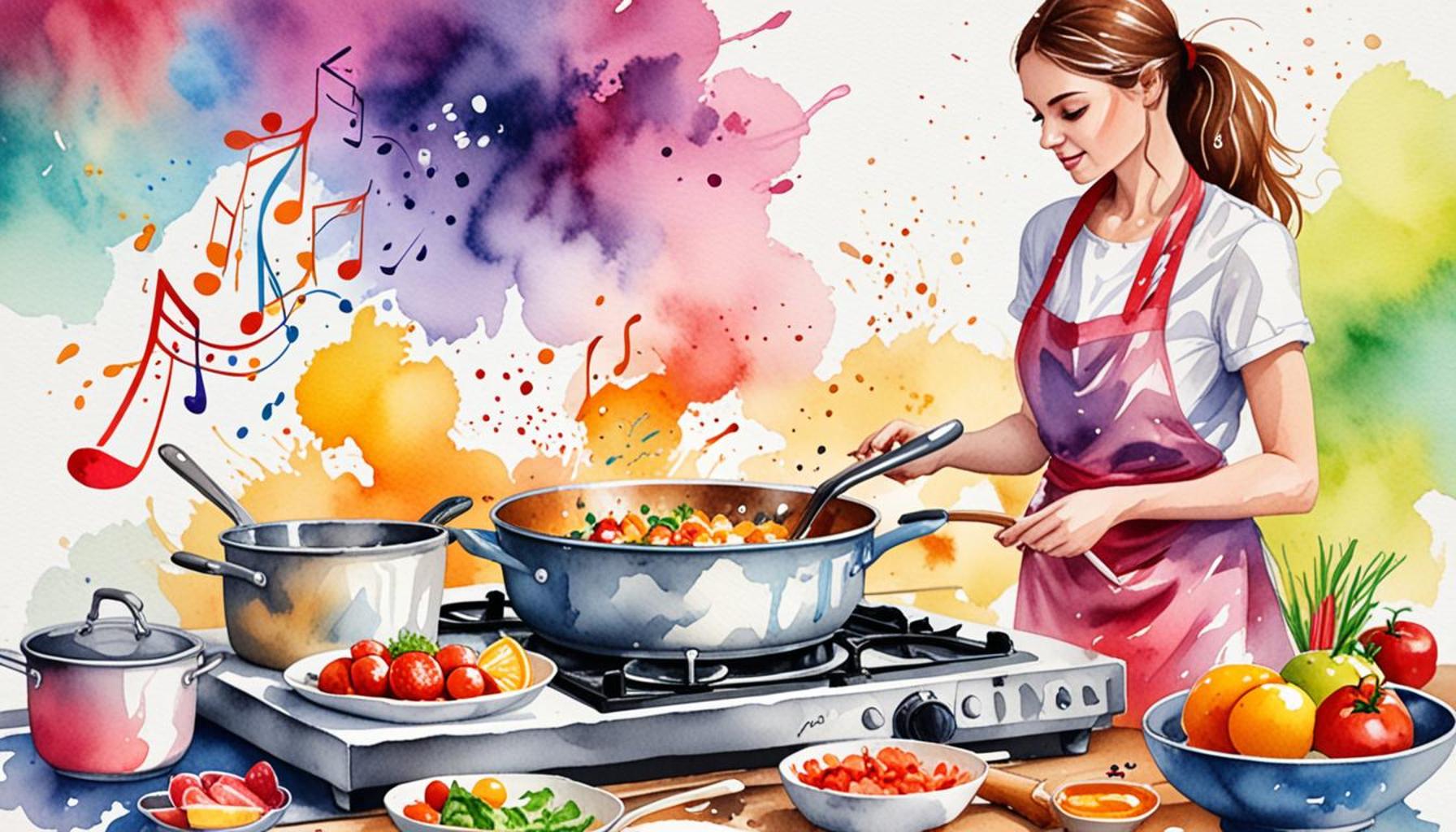
Every chef knows that creativity is key in the kitchen, but what if the rhythm of the music playing in the background could spark culinary inspiration? The relationship between sound and flavor is a captivating aspect of both the culinary arts and music, highlighting a fascinating crossroad between two forms of expression. Consider how certain musical sounds, from gentle melodies to upbeat tunes, can evoke specific emotions; in the same way, these sounds can profoundly influence how flavors are perceived and dishes are created.
Taking a closer look, we find that the concept of soundscapes plays a significant role in enhancing the dining experience. Research has suggested that the ambient noise in a restaurant, such as soft jazz or vibrant acoustic music, can immerse diners in a culinary journey. For instance, a study published in the journal “Food Quality and Preference” showed that soft, slow music can encourage patrons to savor their meals more slowly, resulting in a more enjoyable dining experience. This complements the idea that what we hear while eating can alter our perception of taste, making each bite feel more indulgent.
The musical tempo can also contribute to the kitchen atmosphere, with faster beats serving to elevate mood and foster a creative environment for cooking. In busy restaurants, chefs might play upbeat pop or rock music to accelerate their rhythm in the kitchen, potentially leading to more inventive and spontaneous dish creations. Imagine a chef dancing to a lively track while tossing a fresh salad; the energy from the music can translate directly into the food being prepared, infusing it with a sense of joy and creativity.
- Soundscapes: The ambient noise in a restaurant enhances the dining experience and can affect how a dish is perceived by the diner.
- Musical tempo: A faster beat can elevate mood and encourage creativity in cooking, fueling quick innovations.
- Cultural influences: Different musical genres and styles shape diverse culinary traditions, enabling chefs to incorporate musical styles native to various regions into their dishes.
Moreover, cultural influences play a key role in this relationship between music and cuisine. Consider how different culinary traditions often embrace local musical styles. For example, the rhythmic beats of salsa music may accompany the vibrant flavors of Cuban cuisine, while the soothing sounds of traditional Asian music often enhance the delicate aspects of East Asian dishes. This cross-pollination of music and food culture showcases how chefs can draw inspiration from various sound sources to create unique dishes that resonate with a particular cultural identity.
In conclusion, the connection between sound and flavor is an intricate tapestry woven throughout culinary experiences. From the crunch of fresh vegetables echoing a lively tune to the sizzle of meat on a grill harmonizing with rhythmic beats, the auditory elements of cooking can transform a simple meal into a multisensory experience. Join us as we delve into the intriguing ways sounds and rhythms influence dish creation, revealing a hidden layer of artistry that exists in every kitchen.
DIVE DEEPER: Click here to discover how music can alleviate stress
Rhythmic Inspiration: The Role of Sound in Culinary Processes
In the world of gastronomy, music is not merely a backdrop; it is an essential ingredient that can shape taste and enhance the culinary experience. This intricate relationship invites us to explore how different sounds and rhythms can influence the creativity found in each dish. Interestingly, studies have shown that the sounds we hear can significantly impact how we interpret flavors and textures, thus playing a crucial role in the overall enjoyment of a meal.
One way that sound influences our culinary experience is through the concept of sonic seasoning. Just as salt enhances sweetness and bitterness in food, specific sounds can amplify our taste perception. For example, a study from the University of Oxford found that high-pitched sounds can make sweet flavors taste even sweeter, while low-pitched sounds can deepen the perception of savory flavors. This phenomenon opens a new avenue for chefs, who can experiment not just with flavors and ingredients but also with soundscapes that complement their dishes. Imagine a chocolate dessert paired with a high-pitched, whimsical tune, evoking the rich sweetness of the chocolate itself.
Additionally, the idea of pairing music genres with specific cuisines points to a cultural interplay that enriches the culinary landscape. Consider how the soulful tunes of blues music might resonate with a hearty Southern barbecue, enhancing the emotive experience of a smoky brisket and tangy sauce. Alternatively, the sharp, percussive sounds of African drums may bring a unique vibrancy to dishes inspired by West African traditions, like jollof rice or spicy peanut stew. Such musical connections not only invite diners to engage with the food but also immerse them in its cultural context, creating a poignant narrative that enlivens the dining experience.
- Sonic seasoning: The concept that sounds can amplify our taste perception, with specific pitches enhancing flavors.
- Music genres: Different styles of music associated with particular cuisines can evoke emotional responses, heightening the overall dining experience.
- Ambience: The type of music played in a dining environment can set the mood and affect how food is savored, altering perceptions of taste and enjoyment.
As chefs and restaurateurs become increasingly aware of these connections, there is a growing trend to curate playlists specifically tailored to the menu being offered. Establishments may choose particular tracks not only to create a welcoming atmosphere but also to enhance the flavors being presented on the plate. This resonates strongly with diners, as it allows for a more immersive and memorable culinary journey where every bite, beat, and note harmonizes in a delightful symphony.
In exploring this fascinating intersection of culinary arts and music, we begin to envision a future where the kitchen becomes a stage, and each dish is a performance influenced by the harmonious blend of sound and flavor. As we delve deeper into this celebration of creativity, we invite you to pay attention to the sounds that accompany your meals and consider how they might be enhancing your culinary experiences in ways you never imagined.
Culinary and Music: The Symphony of Flavor and Sound
In the world of culinary arts, the interaction of sound and taste is a fascinating experience that transcends the mere act of eating. Researchers have found that the rhythm of music can actually enhance the flavors perceived in dishes, leading to a deeper appreciation of the gastronomic experience. When we listen to upbeat tempos, our taste buds are stimulated differently compared to when we hear slower, more soothing melodies. This interplay suggests that sound and music play a critical role in our culinary encounters.
Rhythmic Influence on Cooking Techniques
Chefs are increasingly experimenting with music in the kitchen, observing how different genres can affect the cooking process. Upbeat rhythms may encourage a quicker chopping pace, while soft melodies can inspire creativity and careful presentation. In culinary schools, instructors are now incorporating music into their teachings to help students comprehend how rhythm can influence plate dynamics, successfully melding the art of sound with the artistry of cooking.
Creating Ambiance with Sound
The ambiance of a dining experience is significantly shaped by music choices, as they resonate with the nature of the cuisine served. A vibrant, lively tune can elevate a summer barbecue, while classical pieces may complement a formal dinner. Understanding this relationship can lead to a more immersive dining experience, where the essence of the music harmonizes with the flavors of the dishes, enhancing emotional connections and sensory satisfaction.
| Category | Influence |
|---|---|
| Culinary Techniques | Music can enhance cooking techniques through tempo and rhythm. |
| Dining Experience | The right music can elevate mood and complement the culinary theme. |
As we explore the captivating links between culinary arts and music, it becomes evident that these two elements are more compatible than one might initially believe. The synergy between sounds and flavors adds a creative layer to cooking that beckons further exploration and appreciation.
DISCOVER MORE: Click here to learn about the therapeutic benefits of crafts
The Power of Ambience: How Sounds Shape Dining Atmosphere
The ambience of a dining experience goes beyond just visual aesthetics; it is significantly shaped by the auditory environment. Research from the Cornell University Food and Brand Lab suggests that the type of music played during a meal not only influences diners’ moods but also their perceptions of the food itself. For instance, diners exposed to classical music tend to enjoy their meals more and even perceive the food as more luxurious. This insight provides an evidence-based approach for restaurateurs who want to leverage music as a tool to elevate the dining experience.
Furthermore, studies have shown that tempo and volume can dramatically alter how we enjoy our meals. A fast-paced, upbeat tune can encourage quicker eating, making it ideal for casual dining settings, while soft, ambient music can prompt diners to savor their food, allowing for a more leisurely experience. This understanding is vital for restaurant owners looking to optimize their service style. For instance, an upscale Italian restaurant might carefully select soothing string music to encourage long, leisurely dinners, enhancing the taste perception of dishes such as risotto or osso buco, which benefit from thoughtful appreciation.
The emotional connection between music and food is profound. An intuitive chef may instinctively mix the sounds that accompany their creations, while others turn to experts in sound design to curate a complete sensory experience. The concept of cultural soundscapes plays a vital role here, as different musical styles resonate with various ingredients and traditions. For example, a Thai restaurant may choose to play traditional Thai music, integrating local instruments like the khim or ranad, which complements the rich, spicy flavors innate to the cuisine. The sounds stimulate not only the palate but also evoke memories and emotions, making the meal far more evocative than it would be in silence.
- Ambience influence: The type of music in a restaurant affects diners’ moods and their perception of food quality.
- Tempo and volume: Fast music can lead to quicker dining experiences, while slow music encourages savoring.
- Cultural soundscapes: Music specific to a cuisine can enhance the overall dining experience, connecting guests to the cuisine’s roots.
Chefs are beginning to embrace the idea of crafting complete sensory experiences where music and cuisine come together in harmony. This can manifest in various ways, such as themed dinner events where dishes are paired with specific music tracks, immersing diners in a narrative that unfolds with each course served. These events not only cater to the appetite but feed the soul, creating a holistic experience that resonates with customers. Brands like the coveted Chef’s Table in Brooklyn have pioneered such immersive dining experiences, where each element from décor to sound is meticulously curated.
Furthermore, technology is playing a converging role in this blend of culinary and musical arts. With innovations like sound-reactive kitchens that tailor the music based on the dish being prepared, chefs are continuously finding ways to captivate diners through a more dynamic and engaging dining atmosphere. Ultimately, the movements within the culinary world hint at a much bigger narrative—it is about the creation of art that tantalizes the senses, inviting us to savor not just flavors but also the rhythms and melodies that accompany them.
DIVE DEEPER: Click here to discover the emotional benefits of journaling
Harmonizing Tastes and Sounds: A Culinary Journey
The exploration of culinary and music reveals a fascinating interplay between what we eat and what we hear. From the way music can transform the perception of a meal to the carefully curated soundscapes that evoke cultural heritage, sound undeniably influences our dining experiences. The findings from various studies emphasize that the type of music, its tempo, and its volume play a crucial role in shaping not only our appetite but also our enjoyment of food. For restaurateurs and chefs seeking to enhance the dining atmosphere, understanding these dynamics is essential for crafting memorable experiences.
As we move toward a future where technology and artistry converge, the potential for innovation in immersive dining experiences grows exponentially. With culinary experts embracing the synergy of music as a sensory companion to food, diners are invited on journeys that tantalize their taste buds and stir their emotions. Events that pair gourmet dishes with thoughtfully chosen music are revolutionizing restaurant culture, creating narratives where every bite resonates with rhythm.
In conclusion, the union of culinary and music not only elevates the sensory experience but also invites a deeper connection to our meals. As we continue to appreciate the symphony of flavors and sounds, we are reminded that every meal can be a celebration of culture, creativity, and community. The next time you sit down to enjoy a dish, consider the soundtrack that accompanies it—because sometimes, the music may just be as significant as the meal itself.