Culinary Arts as a Form of Storytelling: Recipes that Carry Traditions and Memories
The Kitchen as a Canvas for Storytelling
The kitchen serves as a storytelling canvas, where ingredients blend to weave tales of heritage and memory. Every recipe embodies a rich tapestry of cultural significance, family traditions, and even personal anecdotes. This unique relationship between food and storytelling invites us to explore the heart of where flavors meet narratives. The culinary arts transcend mere sustenance; they become a means through which we narrate our history, celebrate our identities, and share our experiences with others.
What Makes Culinary Arts a Form of Storytelling?
- Cultural Heritage: Recipes often originate from ancient practices, carrying forward traditions through generations. For example, a dish like gumbo can encapsulate the diverse cultural influences of Louisiana, blending French, African, Spanish, and Native American culinary traditions into one hearty pot. Each family may have its unique take on the dish, further enriching its narrative.
- Personal Memories: Many dishes are tied to significant life events such as birthdays, weddings, or holidays—creating emotional connections that transcend time. Think of a beloved apple pie recipe passed down from a grandmother, where each slice evokes not just flavor but memories of family gatherings, laughter, and warmth.
- Shared Experiences: Gathering around a meal fosters connections, transforming a simple dish into a shared story. The act of breaking bread together invites conversation and camaraderie. For instance, a summer barbecue, complete with smoky ribs and homemade coleslaw, serves as more than just a meal; it becomes a cherished ritual for friends and families, fostering bonds that can last a lifetime.
Every bite can evoke memories and connect us to our roots. In the United States, from a classic American barbecue to an Italian grandmother’s secret marinara sauce, the stories behind these recipes intrigue both food enthusiasts and casual cooks alike. These narratives not only highlight the history of the dish but also underscore the importance of the people and places associated with it. Understanding culinary arts through this lens not only enriches our cooking experience but also preserves important cultural narratives that might otherwise fade away. By sharing these stories, we maintain a link to our past and enrich our future culinary endeavors. This vibrant exchange of flavors and histories is what makes food not just a necessity, but a profound expression of who we are.
DIVE DEEPER: Click here to discover the emotional benefits of journaling
Recipes as Living Narratives
Culinary arts possess a distinctive and immersive quality that enables them to serve as living narratives. Each recipe is not merely a sequence of steps; it reflects a wealth of history, emotion, and cultural significance. To understand how recipes tell stories, it is essential to explore several key elements that intertwine throughout the cooking process and flavor profiles.
Cultural Significance of Ingredients
The ingredients used in traditional recipes often speak volumes about the regions and communities they hail from. Take the legendary dish of chili con carne, for example. This quintessential American dish tells a story of the melding of Native American sustenance and Spanish influences, rooted in the flavors of the Southwest. Each ingredient, from the kidney beans to the various spices, carries historical weight, highlighting the cross-cultural exchanges that have shaped American cuisine. Similarly, the use of ingredients like cumin or chipotle in contemporary dishes exemplifies the adaptability of culinary practices as they evolve while maintaining their core narratives.
Family Traditions and Individual Touches
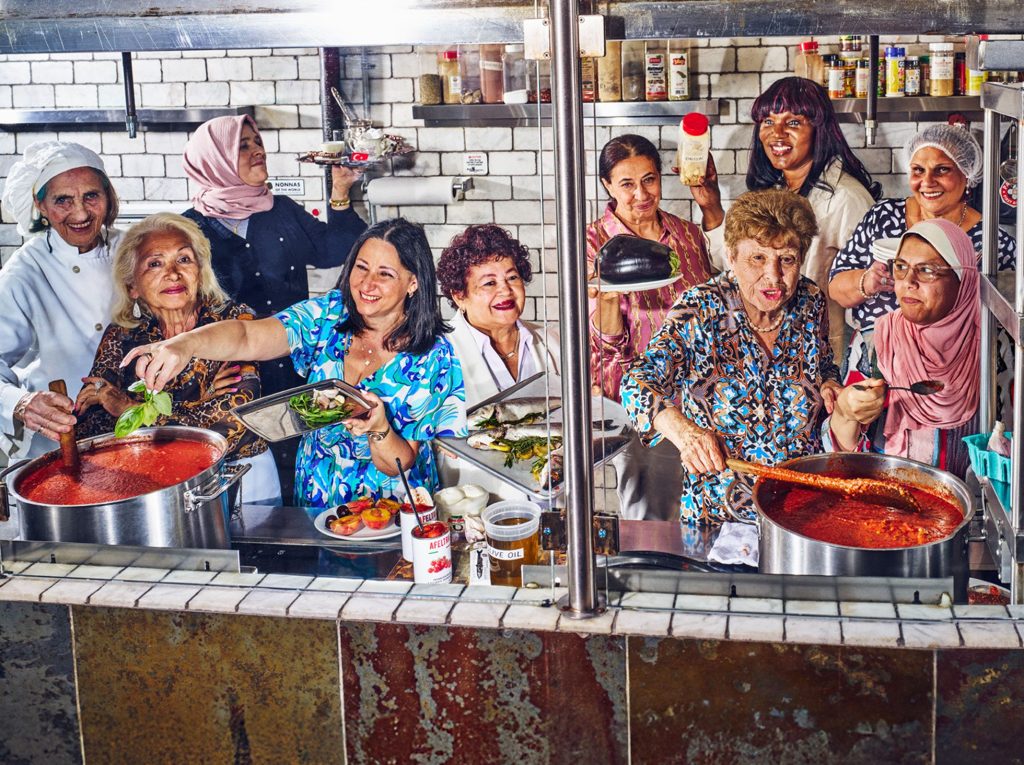
Each family’s culinary repertoire often includes treasured recipes that evoke nostalgia and provide a sense of belonging. These recipes are handed down through generations, sometimes with slight variations that reflect personal tastes or adaptations to modern palates. For instance, a beloved Thanksgiving turkey recipe may vary from one household to another, with certain families swear by their unique brining methods or stuffing techniques. Such variations enhance the narrative, allowing each family to add their chapter to the story of what a holiday meal should embody, creating a rich tapestry of memories that bind loved ones together around the dinner table.
Rituals and Celebrations
- Holidays: Certain recipes are inextricably linked to specific occasions, such as Christmas cookies or passover matzo ball soup, serving as a way to commemorate traditions and invoke shared memories.
- Life Events: Milestone celebrations—weddings, births, and graduations—are often accompanied by unique dishes that hold emotional significance, fostering connections that endure beyond the event itself.
- Seasonal Changes: Many recipes reflect the seasons and local produce, such as pumpkin pie during autumn or fresh berry tarts in the summer, thus connecting the culinary arts to the natural rhythms of life.
Through these elements, culinary arts emerge as a profound means of storytelling, enabling us to explore our identities and share experiences with others. As we delve deeper into the intersection of food and narrative, it becomes evident that culinary storytelling extends beyond personal kitchens; it encompasses cultural heritage, traditions, and the shared human experience. By acknowledging the stories embedded in our meals, we honor those who came before us and ensure that their traditions and memories remain alive in the hearts and homes of future generations.
| Culinary Traditions | Storytelling through Food |
|---|---|
| Preservation of Heritage | Food as a narrative medium |
| Connection to Ancestors | Sharing Personal Histories |
In exploring culinary arts as a powerful form of storytelling, we find that culinary traditions offer a glimpse into the past, acting as a conduit between generations. For instance, recipes that have been passed down through families not only preserve ingredients and techniques but also the memories associated with them. Each dish holds a story; from the grandmother stirring a pot of stew in the kitchen to the celebration of cultural milestones, these culinary practices ensure that our heritage remains alive. This depth of emotional connection enriches the dining experience, inviting others to partake in the collective history of a community.Moreover, the act of cooking and sharing meals serves as a form of storytelling that transcends words. Each meal tells a tale—a savory pie evoking childhood memories, or a traditional feast that celebrates a significant cultural event. Food can bridge gaps between cultures, fostering understanding and empathy. Today, chefs and home cooks alike wield their culinary skills to narrate their own journeys through flavors and textures, demonstrating the profound impact food can have on our lives and identities. Each plate invites diners to delve deeper into the layers of tradition and the personal stories that enrich our collective culinary narrative.
DISCOVER MORE: Click here to learn about the healing power of art
Cooking as a Communal Experience
The act of cooking is often more than just a solitary endeavor; it is a communal experience that fosters connections and shared stories among individuals. Whether it’s a family gathering or a neighborhood potluck, the preparation and enjoyment of food brings people together, allowing them to bond over the flavors that echo their backgrounds and histories. Each shared meal becomes a narrative interwoven with laughter, reminiscences, and sometimes even tears—an intricate dance that aligns the heartbeats of those at the table.
Gathering Around the Table
The significance of the dinner table as a symbol of togetherness cannot be overstated. In many cultures, certain recipes are specifically designated for gatherings, acting as the centerpiece of communal rituals. For example, consider the casserole dishes that dominate family reunions or church potlucks, each one representing the pride and identity of its creator while simultaneously stitching together the fabric of shared values. From a hearty green bean casserole passed down from a grandmother’s recipe to spicy chili cooked with love for a community event, each dish offers a glimpse into the lives of those who made them.
Food as a Cultural Bridge
Food transcends linguistic and cultural barriers, serving as a universal language that connects diverse communities. Festivals around the world, from the vibrant dishes of Diwali celebrated in India to the rich Pasta Primavera of Italian cuisine during Festa di San Giuseppe, showcase how culinary traditions reflect the identity and practices of a culture. These recipes often emerge from centuries of history, utilizing local ingredients and traditional cooking methods that tell the stories of migration, adaptation, and survival. Engaging with these dishes provides an opportunity for individuals to explore their own identities, often leading them to discover roots they had never known.
The Role of Stories in Recipe Sharing
When recipes are shared, they often come with tales—an anecdote about the origins of the dish, the first time it was cooked, or the beloved family member who perfected it. This exchange of stories serves as a means of preservation for cultural heritage. An example can be seen in the widely popular jambalaya, a dish that reflects Louisiana’s rich blend of Creole and Cajun cultures. A recipe passed among friends might include personal stories of Mardi Gras celebrations or summers spent fishing at family camps, ultimately transforming a simple meal into an enduring legacy.
Documenting Culinary Histories
As our world becomes increasingly globalized, the value of documenting culinary histories through cookbooks or personal blogs grows significantly. These compilations serve as time capsules, encapsulating recipes and the stories behind them for future generations. A well-composed cookbook can highlight the interconnectedness of localities and cultures, providing readers with a perspective on how their own traditions are reflected in the global tapestry of culinary art. Notable examples include Maya Angelou’s cookbook, which intertwined cooking with life lessons, and the “Essentials of Southern Cooking”, which retells the stories of the American South through food. Such documented examples emphasize the importance of storytelling, solidifying the role of recipes not just as culinary instructions but as fundamental components of cultural continuity.
In understanding that recipes are conductors of stories, we peel back the layers of individuality and culture that comprise our daily meals. This knowledge not only fosters a richer appreciation for the food we consume but also deepens our connections with others, reinforcing the idea that culinary arts are indeed powerful narratives waiting to be told.
DISCOVER MORE: Click here to unlock new insights
Conclusion: The Unfolding Narratives of Culinary Arts
The world of culinary arts is intricately woven with the threads of traditions, memories, and shared experiences. Each recipe serves as a narrative device, carrying profound stories that echo from one generation to the next. From the humble casserole dished out at family reunions to the festive foods that light up cultural celebrations, these culinary expressions are laden with meaning. Cooking becomes more than a mere act; it transforms into a canvas where we paint our histories, beliefs, and identities.
Furthermore, the communal nature of food preparation and consumption not only enhances our interpersonal connections but also creates a mosaic of cultural narratives that bridge gaps between diverse communities. As recipes are shared and retold, they foster dialogues that enrich both personal and cultural identities, creating a shared understanding of who we are and where we come from. The evolving landscape of culinary documentation—through blogs, cookbooks, and social media—ensures that these stories are preserved, inviting newer generations to partake in this ongoing legacy.
Ultimately, embracing the idea of culinary arts as a form of storytelling opens a door to explore the profound relationships between food, culture, and personal history. As we gather around tables filled with food that bears tales of love, hope, and perseverance, we become part of a larger narrative. So, the next time you cook or share a meal, remember that you’re not just nourishing the body—you’re nurturing a rich tapestry of shared memories and timeless traditions waiting to be tasted and retold.