Essential Tips for Creating a Functional and Aesthetic Streamlined Space
The Importance of a Well-Designed Space
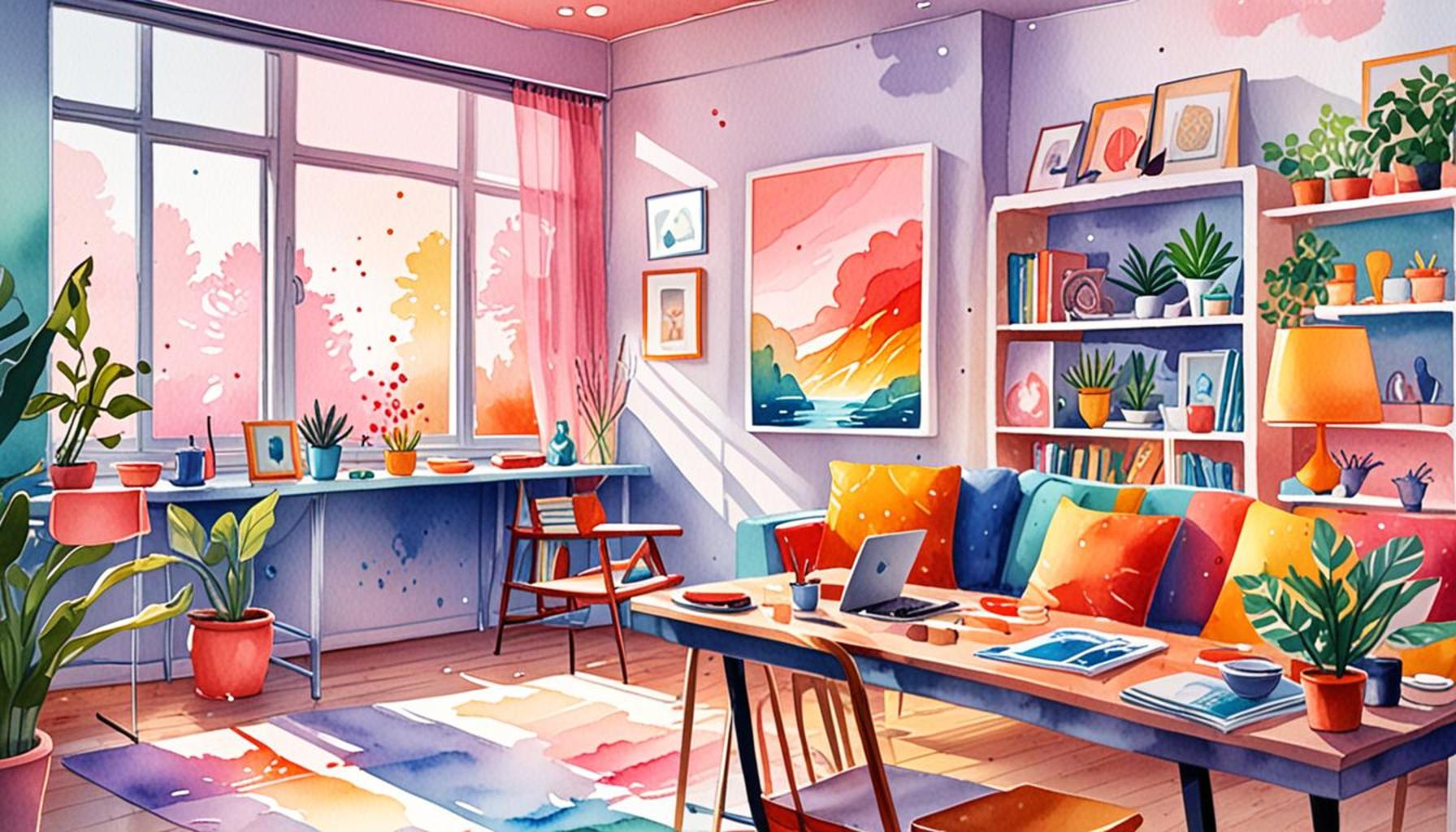
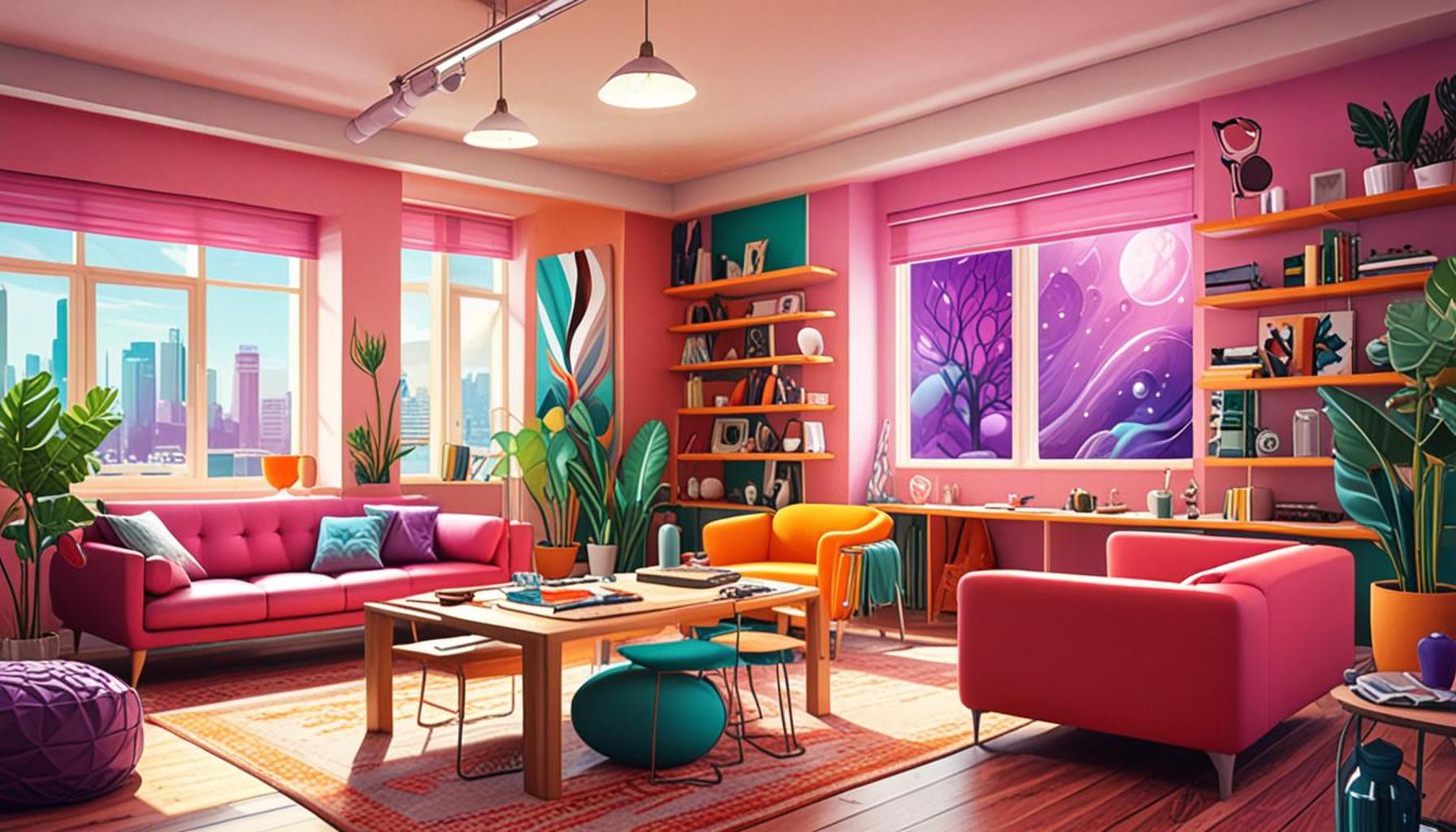
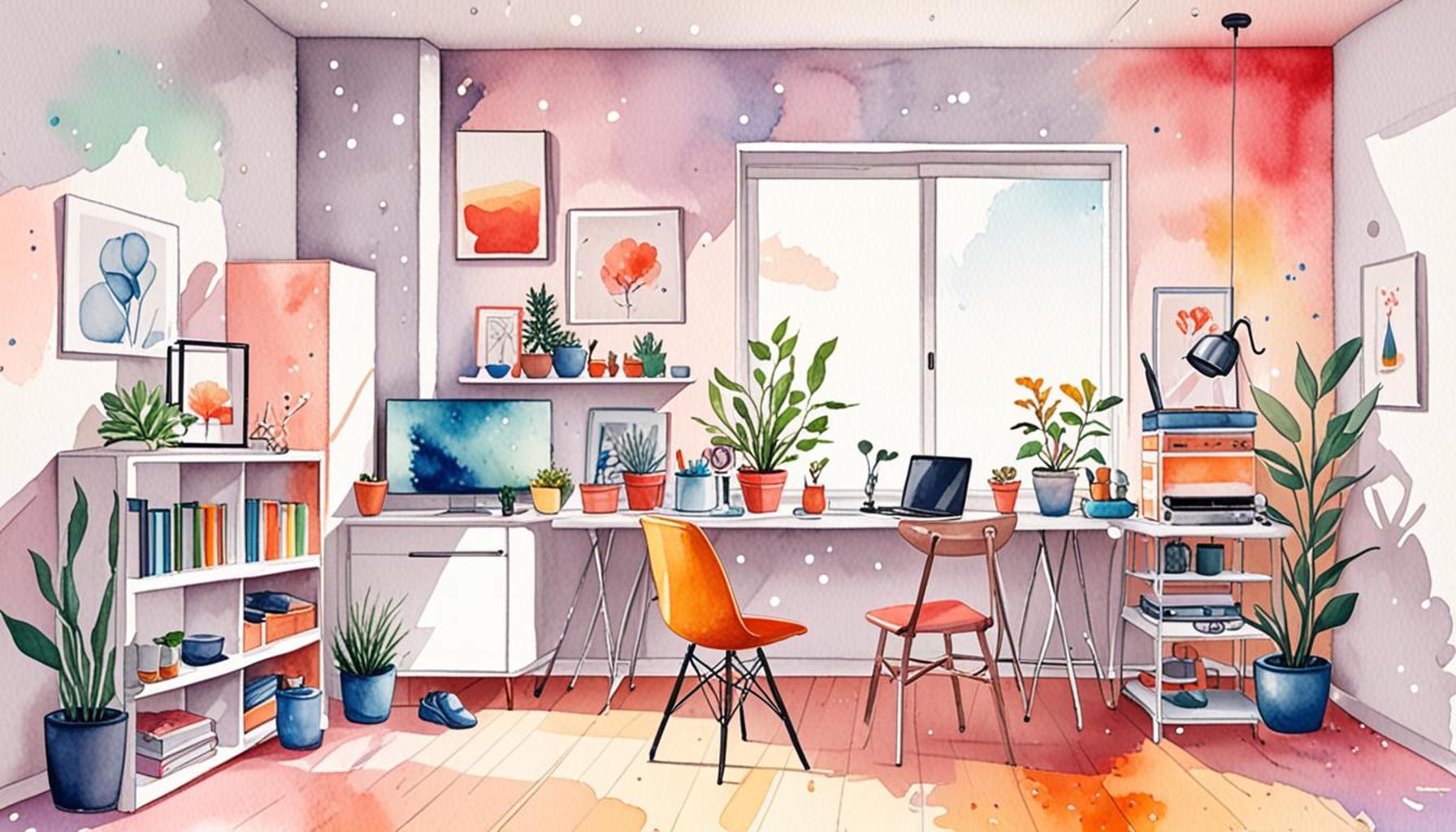
Creating a space that is both functional and aesthetic can significantly transform your home or office into a haven of productivity and style. A streamlined environment does not merely appeal to the eye; it also enhances your daily activities and promotes overall well-being. Studies show that a well-designed space can boost morale, improve focus, and even increase productivity levels by as much as 20% in work settings.
Key Elements for Achieving Aesthetic Functionality
To achieve a perfect balance of functionality and aesthetics, several key elements should be considered:
- Clarity: Keeping surfaces clear of clutter is essential to maintain focus and enhance mental clarity. To implement this, consider utilizing trays or decorative boxes to corral smaller items and establish a designated space for everything. This minimizes distraction and allows you to engage fully in your tasks.
- Color Palette: Choosing a cohesive color scheme can reflect your personal style while also influencing your mood. For example, warmer tones like yellows and oranges can boost creativity and energy, whereas cooler shades like blues and greens promote calmness and focus. Consider incorporating accent walls or colorful accessories to add vibrancy without overwhelming your space.
- Multi-Functional Furniture: Investing in furniture that serves more than one purpose can save space and enhance usability. For example, a sofa bed is ideal for small apartments, while a coffee table with storage capabilities can double as a place to stow away books and magazines.
Organization: The Cornerstone of Functional Design
Furthermore, organization plays a crucial role in maximizing both functionality and aesthetics. Implementing smart storage solutions can greatly reduce visual chaos:
- Built-In Shelving: Utilizing vertical space is vital, particularly in smaller areas. Built-in shelves can house books, decorative items, and plants while keeping floors clear for movement. This design element also adds an architectural interest to your space.
- Hidden Storage: Opting for furniture that conceals everyday items helps maintain a tidy environment. Ottomans or benches with internal compartments can be perfect for stowing away blankets or games, ensuring your living space remains uncluttered.
- Minimalist Design: Embracing simplicity can prevent overwhelming your space with too much decor. A minimalist approach focuses on the essentials, allowing you to appreciate the beauty of each item without distraction. The popular “less is more” philosophy resonates well in modern American homes.
Creating a Balanced Environment
By concentrating on these essential tips, you can curate an environment that fosters creativity, relaxation, and efficiency. Whether you are working from home or simply want to rejuvenate your living space, discovering how small yet deliberate changes can lead to a more organized and inviting atmosphere is within your reach. Remember, even small adjustments can culminate in a transformative impact on how you experience your surroundings.
DIVE DEEPER: Click here to discover the future of minimalist design</p
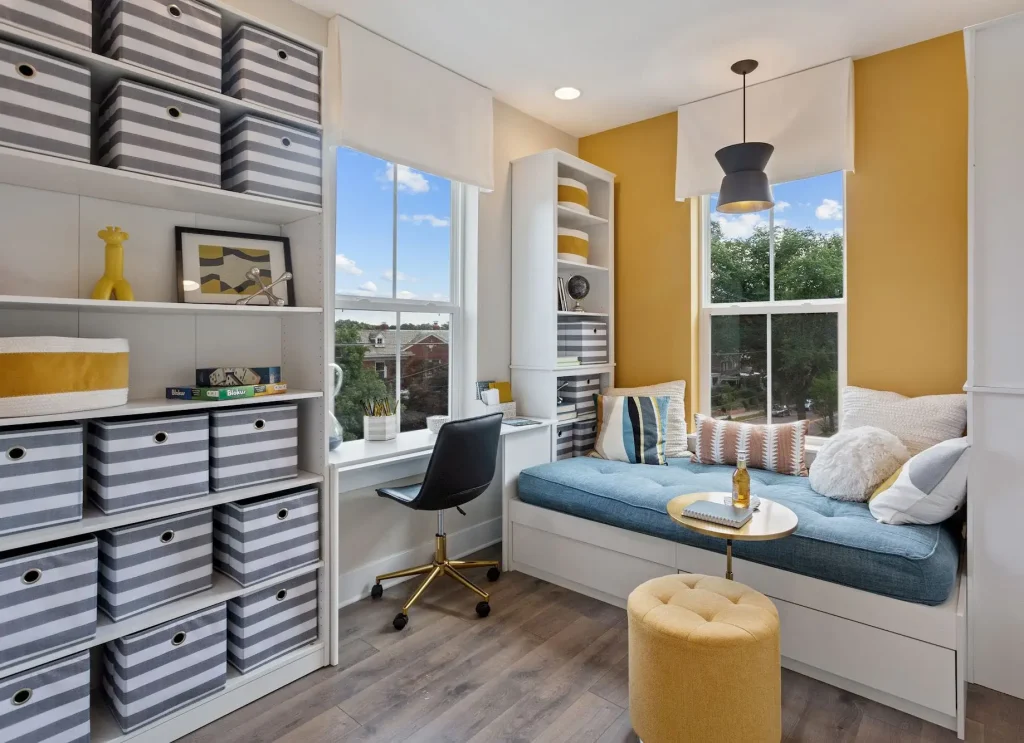
Crafting a Harmonious and Streamlined Atmosphere
In the quest for a functional and aesthetic space, understanding the harmony between design principles and your personal style is crucial. Many homeowners and office managers overlook the impact of a well-organized and thoughtfully designed area. A harmonious atmosphere is not simply about visual appeal; it cultivates a sense of peace and efficiency, directly influencing your mindset and productivity.
Incorporating Effective Layouts
The layout of your space plays a significant role in establishing functionality. A well-planned layout promotes seamless movement and interaction, which is essential for both home and workplace settings. Here are some strategies to consider:
- Zone Your Areas: Defining spaces by activity can streamline tasks. For instance, create distinct areas for relaxing, working, or dining. This approach helps maintain focus and minimizes distractions, as you allocate specific spaces for particular functions.
- Flow and Accessibility: Ensure there is an unobstructed flow within your space. Arrange furniture so that movement feels intuitive, allowing natural pathways that encourage interaction. Consider everything from door swings to furniture placement to create an inviting environment.
- Proportions and Scales: Balance is key. Pay attention to the proportions of furniture in relation to your room’s size. Oversized pieces can overwhelm a small space, while too-small items can look lost. A good rule of thumb is to maintain a ratio that complements your available area.
Embracing Natural Light and Fresh Air
Natural light has a remarkable ability to enhance both mood and productivity levels. Incorporating windows and mirrors can significantly impact how a space feels:
- Maximize Natural Light: Use sheer curtains to allow light to filter in while maintaining some privacy. The strategic placement of mirrors can reflect light and make your space feel larger and more open.
- Consider Ventilation: A well-ventilated space not only feels more inviting but also impacts air quality. Fresh air can improve concentration and reduce fatigue, making it essential in both residential and professional environments.
Integrating Personal Touches
While functionality is crucial, adding a personal touch can transform your space into a reflection of who you are. This can include:
- Artwork and Personal Items: Select pieces that resonate with you but don’t overcrowd surfaces. Thoughtfully curating art can enhance visual appeal while ensuring that personal items contribute to the overall theme without adding clutter.
- Natural Elements: Incorporating plants not only improves air quality but also adds warmth and vitality to your environment. Consider low-maintenance options like succulents or snake plants that blend aesthetic appeal with practicality.
By focusing on these critical elements, you will be well on your way to creating a streamlined space that is both attractive and functional. Remember, the goal is to design an environment that not only invites you in but also inspires you to thrive. Every decision from layout to decoration contributes to your overall experience, making it essential to choose wisely.
| Category | Description |
|---|---|
| Color Palette | Choosing a cohesive color scheme enhances visual appeal and promotes tranquility. |
| Decluttering | Eliminating excess items creates openness and ease in navigating your space. |
| Functional Furniture | Investing in multi-purpose furniture maximizes space utility while maintaining style. |
| Lighting | Incorporating natural and artificial lighting adds warmth and increases the functionality of areas. |
When creating a functional and aesthetic streamlined space, factors such as a well-planned color palette act as the backdrop to your design ethos. A unified color scheme not only elevates the beauty of your space but also promotes a sense of calm and well-being. Additionally, a commitment to decluttering ensures your environment remains inviting and easy to navigate, showcasing the beauty of carefully curated items.Moreover, consider the impact of furniture choices. Opting for pieces that serve dual functions—like a stylish ottoman that offers storage—can drastically enhance the usability of your space without sacrificing style. Strong lighting—both natural and artificial—plays a pivotal role in defining the mood and practicality of your area. Illuminate dark corners to bring depth and warmth, ensuring a striking yet comfortable atmosphere.By emphasizing these elements, you create a space that is not only functional but also a feast for the eyes, inviting exploration and deeper engagement with your surroundings.
DISCOVER MORE: Click here to enhance your mental clarity
Choosing the Right Color Palette
The colors you select for your space can have a profound impact on the overall feeling and functionality of the environment. A well-thought-out color palette not only enhances aesthetic appeal but can also influence mood and productivity:
- Neutral Tones: Using neutral colors like whites, grays, and beiges can create a calming backdrop, allowing for more colorful accents that uplift the space without overwhelming it. This approach can help maintain a streamlined look while providing versatility in decor.
- Accent Colors: Integrating bold accent colors on a feature wall, decorative elements, or furniture can create focal points that energize a room. Be mindful to choose hues that resonate with your personal style and the overall theme you wish to convey. For example, a pop of teal can introduce a refreshing vibe to a minimalistic space.
- Color Psychology: Understanding the psychology of colors can enhance your design choices. For instance, blues tend to evoke calmness and promote focus, making them perfect for a home office, while yellows can stimulate creativity and are well-suited for creative spaces.
Effective Storage Solutions
A streamlined space is often synonymous with effective storage solutions. Clutter can quickly diminish a space’s aesthetic appeal, making it essential to prioritize storage strategies:
- Multi-functional Furniture: Invest in furniture that serves multiple purposes, such as ottomans that double as storage units or coffee tables that provide shelving. These can help maximize space without compromising on style, keeping items out of sight yet easily accessible.
- Vertical Storage: When square footage is limited, think upwards. Utilize wall space by installing shelves or cabinets that keep items organized while adding visual interest. This approach not only frees up valuable floor space but also draws the eye upward, making the room appear larger.
- Decluttering Regularly: Schedule regular decluttering sessions to remove items that no longer serve a purpose or bring you joy. This practice reinforces a streamlined aesthetic, ensuring that your space remains both functional and visually appealing.
Choosing Quality Over Quantity
In a world filled with mass-produced items, focusing on quality can lead to a more luxurious and meaningful environment. Here are some ideas to keep in mind:
- Invest in Key Pieces: Rather than filling your space with numerous cheap items, invest in a few high-quality pieces that stand out. A well-crafted dining table or a sturdy leather couch can elevate the aesthetic while promising durability.
- Handcrafted and Sustainable Options: Look for handcrafted items or sustainable materials. Not only do they add character to your space, but they often come with stories that enhance the personal connection to the environment.
- Timeless Designs: Seek out classic designs that won’t go out of style quickly. This ensures that your space can remain functional and aesthetically pleasing for years, without the need for constant updates.
Utilizing Technology Wisely
In our tech-savvy world, leveraging technology smartly can enhance both functionality and aesthetics:
- Smart Home Devices: Integrate smart lighting, thermostats, or home assistants to enhance efficiency. For instance, programmable lighting can set the mood while conserving energy, thereby aligning with a streamlined ethos.
- Cabling Solutions: Tidy up visible cables with cord management solutions. Using cable boxes or clips can enhance the aesthetic by minimizing visual clutter, establishing a cleaner look.
- Virtual Design Tools: Consider utilizing augmented reality apps that allow you to visualize your design before committing. This helps in making informed decisions that align with your vision for a functional and aesthetic space.
By thoughtfully addressing color schemes, storage solutions, quality investments, and technology integration, you can create a space that is not only functional but also a beautiful reflection of personal style. Every small decision contributes to the overall goal of a streamlined and inviting environment.
DISCOVER MORE: Click here to delve deeper
Conclusion
In creating a functional and aesthetic streamlined space, the key lies in the harmonious balance between design and utility. By integrating thoughtful color palettes, you set the tone and mood that fosters well-being and productivity. Choosing effective storage solutions not only minimizes clutter but also promotes a serene environment that feels more open and inviting. Furthermore, focusing on quality over quantity ensures that your space is adorned with timeless pieces that resonate with personal significance, elevating your overall experience.
Embracing technology smartly enhances the functionality of your space, enabling efficiency without sacrificing style. Smart home devices, for example, can streamline everyday tasks while giving your home a modern touch. As you endeavor to optimize your surroundings, remember that even the smallest changes can yield profound results in both aesthetics and practicality.
Ultimately, a streamlined environment is a reflection of your personal style and values. By prioritizing intention over impulse in your design choices, you forge a space that harmonizes with your lifestyle while inspiring creativity and tranquility. With these essential tips in mind, you’re well-equipped to embark on a design journey that transforms your living space into a beautiful and functional haven. Explore each suggestion deeply, and allow your unique preferences to shape a space where comfort meets elegance.