
Essentialism and the Transformation of Home: Creating Spaces that Reflect What is Truly Important
Understanding the Power of Essentialism in Design
In today’s fast-paced society where consumer goods flood our homes and technology constantly demands our attention, essentialism offers a refreshing alternative. It is not merely a trend; it’s a transformative philosophy that invites us to evaluate our possessions and habits through a lens of intentionality. By stripping away the excess, we can create living spaces that are not only functional but also deeply meaningful.
At its core, essentialism is about discerning what adds true value to our lives versus what is merely a distraction. Spaces that embody essentialist principles do more than house our belongings; they become canvases for our personal expression and well-being. For example, a minimalist bedroom designed with soft colors, comfortable bedding, and select decor can promote a restful atmosphere conducive to quality sleep, whereas a cluttered environment may invoke stress and overwhelm.
Creating Meaningful Spaces
Adopting an essentialist mindset encourages individuals to embrace living environments that:
- Reflect personal values: By choosing decor that tells a story or has sentimental value, such as family heirlooms or art pieces from local artists, we infuse our lives with reminders of what truly matters.
- Promote well-being: Research shows that our surroundings significantly impact our mental health. For instance, bringing nature indoors through houseplants or rethinking lighting can drastically improve our mood and productivity.
- Encourage mindfulness: Spaces that allow for moments of reflection, whether it’s a cozy reading nook or a peaceful meditation corner, can help cultivate mindfulness in our busy lives.
The movement toward essentialism has gained impressive traction across various regions in the United States, where homeowners are increasingly drawn to sleek, minimalist designs that foster both relaxation and functionality. A notable example is the rise of tiny homes, which emphasize efficient living without the burden of excess. These structures often incorporate multipurpose furnishings and sustainable materials, demonstrating how essentialist principles can lead to innovative and responsible living.
Practical Steps Toward Essentialism
Embarking on a journey toward essentialism in your home can begin with small, manageable changes. Start by conducting a thorough evaluation of your belongings—ask yourself which items genuinely enhance your life and which can be donated or discarded. This decluttering process is not solely about getting rid of things; it’s about making space for what you love.

Consider integrating multifunctional furniture, such as an ottoman that doubles as storage or a bed frame with built-in drawers, to maximize your space without adding visual clutter. Additionally, curating your decor to include only items that resonate with you can create a more cohesive and inviting atmosphere that uplifts your spirit.
If you feel the weight of your possessions, transitioning toward a minimalist, essentialist lifestyle could offer clarity and focus that modern life often obscures. In a world chasing after more, embracing less can lead to greater fulfillment.
DIVE DEEPER: Click here to discover the art of saying no
Creating Meaningful Spaces
As the essentialist philosophy weaves its way into contemporary design, it paves the way for individuals to craft environments that resonate with their core values and enhance their quality of life. In a world where possessions can often feel burdensome, embracing essentialism allows for a shift toward a more intentional approach to our living spaces. By curating our belongings thoughtfully, we not only declutter our homes but also foster a sense of clarity and peace.
To create spaces that reflect what is truly important, one must consider several guiding principles:
- Intentionality in Design: Every element in a home should serve a purpose or evoke emotion. Furniture, artwork, and decor should be selected based on personal significance rather than fleeting trends. For example, a handcrafted coffee table may hold stories of family gatherings, drawing more value than a generic piece from a big-box store.
- Connection to Nature: Researchers have found that interactions with natural elements can dramatically improve mental well-being. Incorporating plants, natural light, and organic materials into our homes not only brightens spaces but also nurtures a connection to the outdoors. This conscious incorporation of nature transforms interiors into restful havens.
- Flexibility and Functionality: As lifestyles continue to evolve, so should our living spaces. Versatile furniture that can adapt to different needs—like a dining table that can also serve as a workspace—supports a dynamic way of living while freeing up space for only what truly matters.
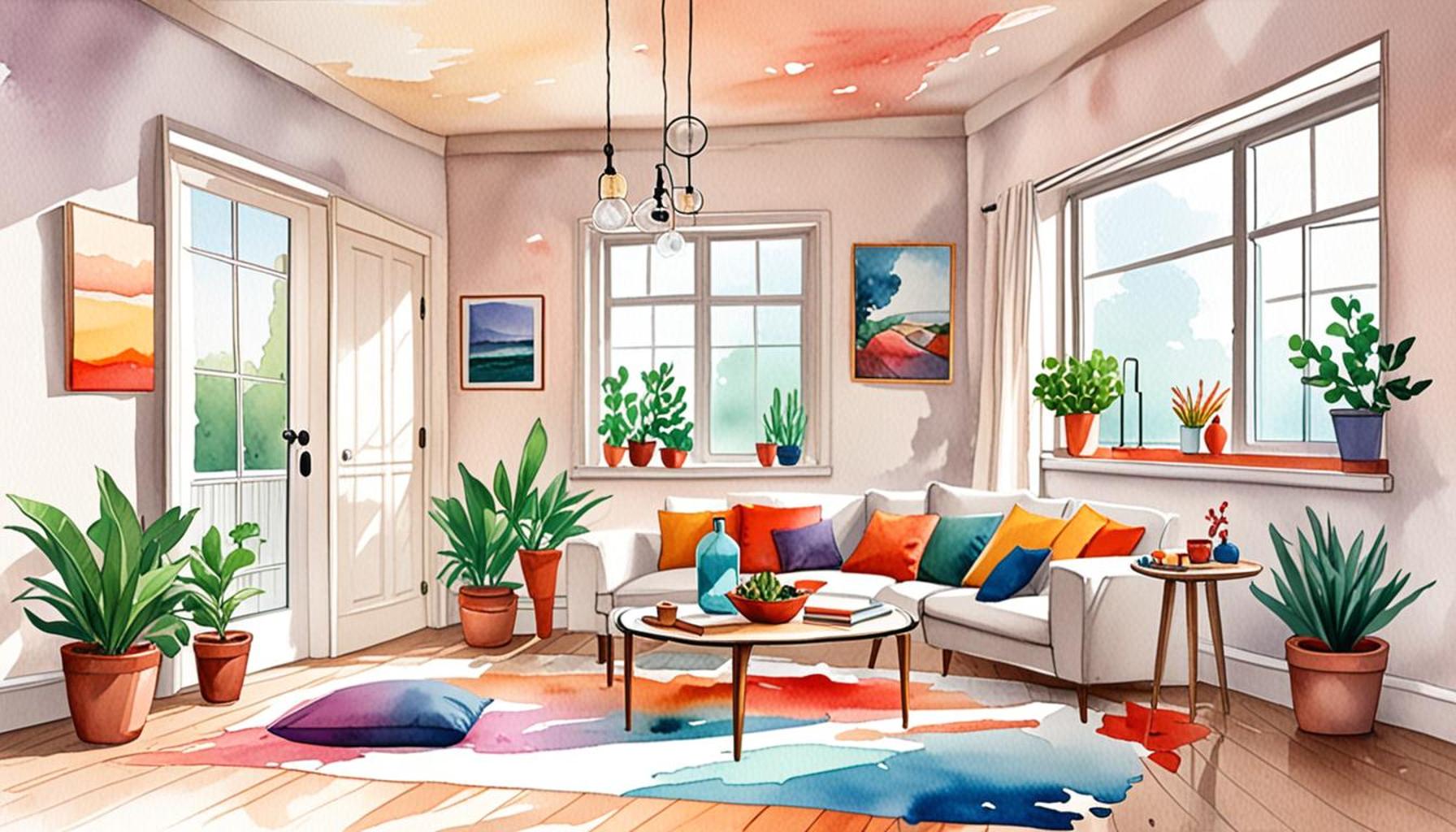
The essence of essentialism lies in understanding that less can indeed be more. By choosing to prioritize a select few meaningful items, individuals can create environments that offer comfort and inspiration. Imagine a living room that eschews excessive decor, instead featuring a carefully chosen rug, a few well-placed photographs, and thoughtfully selected seating. Such a space invites relaxation and fosters connection with loved ones.
This movement is not merely a minimalist trend; it underscores a broader cultural shift towards mindfulness in our relationship with material possessions. Research published in journals like “Psychological Science” underscores this growing awareness, revealing that individuals who adopt essentialist viewpoints report heightened feelings of happiness and fulfillment. As homeowners continue to embrace these principles, communities across the United States are witnessing a rise in home designs that prioritize simplicity and authenticity.
Transitioning into an essentialist lifestyle within your home can feel daunting, but small, incremental changes can yield significant results. Begin by identifying those items of true significance in your space, whether it’s a beautiful piece of artwork that sparks joy or a trusted book collection that inspires thought. By focusing on these essential elements, each area of your home can transform into an intentional reflection of the life you wish to lead.
Essentialism in Home Design
Essentialism is not just a trend; it’s a fundamental shift in how we perceive and utilize our living spaces. Embracing this philosophy means prioritizing items that hold true meaning in our lives while discarding what does not serve us. This approach invites individuals to cultivate an environment where every piece has a purpose. By doing so, homes transform into sanctuaries reflecting personal values and principles, allowing for mental and emotional clarity. Minimalistic design has become synonymous with essentialism, as it fosters a serene and uncluttered atmosphere. Spaces replete with light, neutral colors, and open layouts encourage relaxation. The deliberate selection of high-quality, functional furnishings promotes longevity over trends, underscoring the importance of investing in what resonates deeply. Homeowners are now gravitating towards multi-functional spaces that enhance flexibility in living arrangements, a crucial aspect in today’s fast-paced world. Transformative home spaces encourage creativity and adaptability, allowing them to serve various needs—from home offices to spaces for personal reflection. Incorporating elements like natural materials, plants, and personal mementos adds warmth without overwhelming the senses. Essentialism and the transformation of home are intertwined with sustainability, emphasizing energy efficiency and mindful consumption. The following table elaborates on the advantages of integrating essentialism into your living environment.
| Advantage | Description |
|---|---|
| Enhanced Focus | Clutter-free environments promote mental clarity, allowing individuals to concentrate on what truly matters. |
| Emotional Connection | Integrating personal artifacts creates a space that fosters emotional resonance and connection to one’s values. |
By aligning our homes with the principles of essentialism, we can cultivate environments that not only support our lifestyles but also deepen our relationships and enhance our well-being. Through thoughtful curation, every space becomes a reflection of who we are and what we cherish most.
DIVE DEEPER: Click here to discover the future of minimalist design</p
Fostering Personal Narratives
One of the most profound aspects of essentialism in home design is its ability to tell a story—your story. Each item selected for your space can symbolize a moment, a relationship, or a cherished memory. Carefully curated collections can replace the clutter that typically occupies homes, thereby allowing individuals the opportunity to create a cohesive narrative throughout their living spaces. For instance, a gallery wall featuring photos from significant life events can serve as a daily reminder of what truly matters, promoting gratitude and reflection.
This storytelling aspect extends beyond photographs and keepsakes. Consider the furniture and decor choices made for a space. A dining room table inherited from a grandparent or a cozy armchair where countless evenings of reading have taken place hold sentimental value that transcends mere aesthetic appeal. By choosing to surround ourselves with items that resonate on a personal level, we nurture environments that facilitate connection—not only with our past but also with those who share our lives.
Thoughtful Color Palettes and Textures
The colors and textures of our surroundings deeply influence emotions and wellness. Essentialist design encourages the use of subdued, harmonious palettes that promote tranquility and focus. For example, soft, earthy tones can evoke the calming essence of nature, creating a serene atmosphere conducive to relaxation and mindfulness. It’s no wonder that the divorce rate has been linked to the stress levels associated with chaotic living environments, as highlighted in various studies by social scientists.
Implementing tactile elements, such as natural textiles and artisanal crafts, further enhances the sensory experience of a space. Imagine returning home to a warm environment filled with the soft textures of organic cotton throws and the earthy feel of unfinished wood. These not only serve aesthetic purposes but also promote comfort and warmth, drawing family members together and reinforcing the idea of home as a sanctuary.
Technology and Essentialism: Finding Balance
In our tech-driven age, finding equilibrium between modern conveniences and essentialist principles can be challenging. Current research indicates that excessive screen time can detract from interpersonal relationships and overall satisfaction with life. Thus, it’s pivotal to consider how technology features within our homes. Homeowners are increasingly opting for minimalist tech solutions—devices that serve multiple functionalities, like a smart speaker that doubles as a decorative piece, allowing for streamlined technology that doesn’t overwhelm the essential vibe of a living space.
Moreover, creating a tech-free zone, such as a serene reading nook or a meditation corner, can bolster mental health and reinforce meaningful connections with family members. By designating spaces for presence rather than distraction, homeowners cultivate environments that reinforce the importance of authenticity and relationships, two key tenets of essentialism.
The transformation of our homes into spaces that reflect what is truly important demands intention and creativity. In this pursuit of essentialism, every decision made in the realm of design not only influences aesthetics but intimately intertwines with our values, experiences, and aspirations. As more individuals recognize the potential for personal narrative within their living spaces, the trend toward essentialist design will likely continue to flourish, reshaping homes into more meaningful sanctuaries of personal expression and emotional wellness.
DISCOVER MORE: Click here to unlock your productivity potential
Conclusion: The Essential Journey Home
As we navigate the complexities of modern life, the principles of essentialism become increasingly vital in shaping our domestic environments. The transformation of our homes into spaces that embody what truly matters—personal narratives, emotional connections, and mindfulness—presents an opportunity for profound introspection. By consciously selecting possessions that resonate deeply and curating living spaces that evoke serenity, we foster not just aesthetic appeal but also significant mental and emotional wellness.
When we embrace an essentialist approach, we go beyond mere decoration; we create a refuge for ourselves and our loved ones. Thoughtful color palettes and textures can influence our mood, promote relaxation, and enhance relationships. Moreover, as technology becomes an inseparable part of our lives, striking a balance that preserves the essence of connectivity and presence is essential. Establishing tech-free zones within our homes can allow us to reconnect with ourselves and cultivate deeper bonds with those around us.
The blend of these intentional design practices not only transforms walls and furniture but, ultimately, shapes the narrative of our lives. As more individuals adopt essentialism, the transition towards meaningful living environments will enrich our experiences at home, reminding us daily of our core values. The journey toward creating homes that reflect what is truly important is not merely a trend; it’s a lifestyle choice that holds the power to reshape our very existence in a profound way. Embrace this journey, and let your home tell the story of who you are and what you cherish.