Experimental Culinary: Challenging Limits with Innovative Techniques and Unusual Ingredients

Culinary Innovation on the Rise
The world of culinary arts is witnessing a revolution like never before. Chefs and food enthusiasts are venturing beyond traditional techniques and ingredients, pushing the boundaries of what we define as cuisine. The result? A deliciously intriguing realm known as Experimental Culinary.
In this exciting landscape, you can expect to encounter:
- Innovative Techniques: Modern culinary techniques such as sous-vide cooking—and its precise temperature control—allow chefs to achieve textures and flavors previously unattainable through traditional cooking methods. Molecular gastronomy, a blend of science and cooking, uses techniques like spherification to create dishes that surprise and delight the palate. Fermentation, too, is gaining prominence, with chefs harnessing the power of probiotics to elevate flavors and create new taste experiences.
- Unusual Ingredients: Ingredients that were once esoteric are now becoming staples in the kitchen. Edible flowers such as nasturtiums and pansies not only add vibrant color but also introduce complex flavors. Activated charcoal, often touted for its detoxifying properties, is being used in beverages and desserts, creating striking visual contrasts. Even insects, celebrated for their nutritional density and sustainability, are making their way into dishes—crickets, for example, can be ground into flour for protein-rich baked goods.
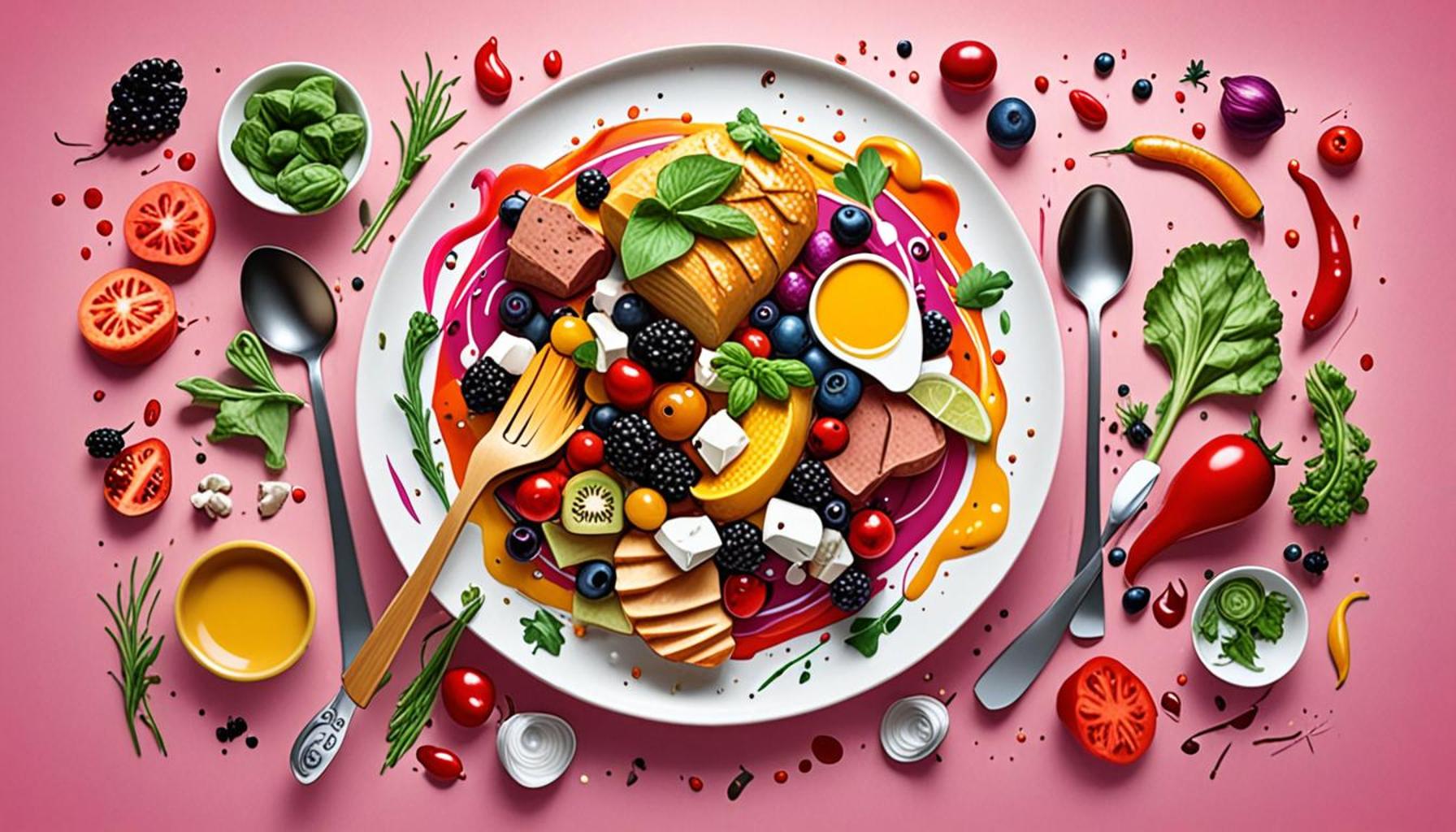
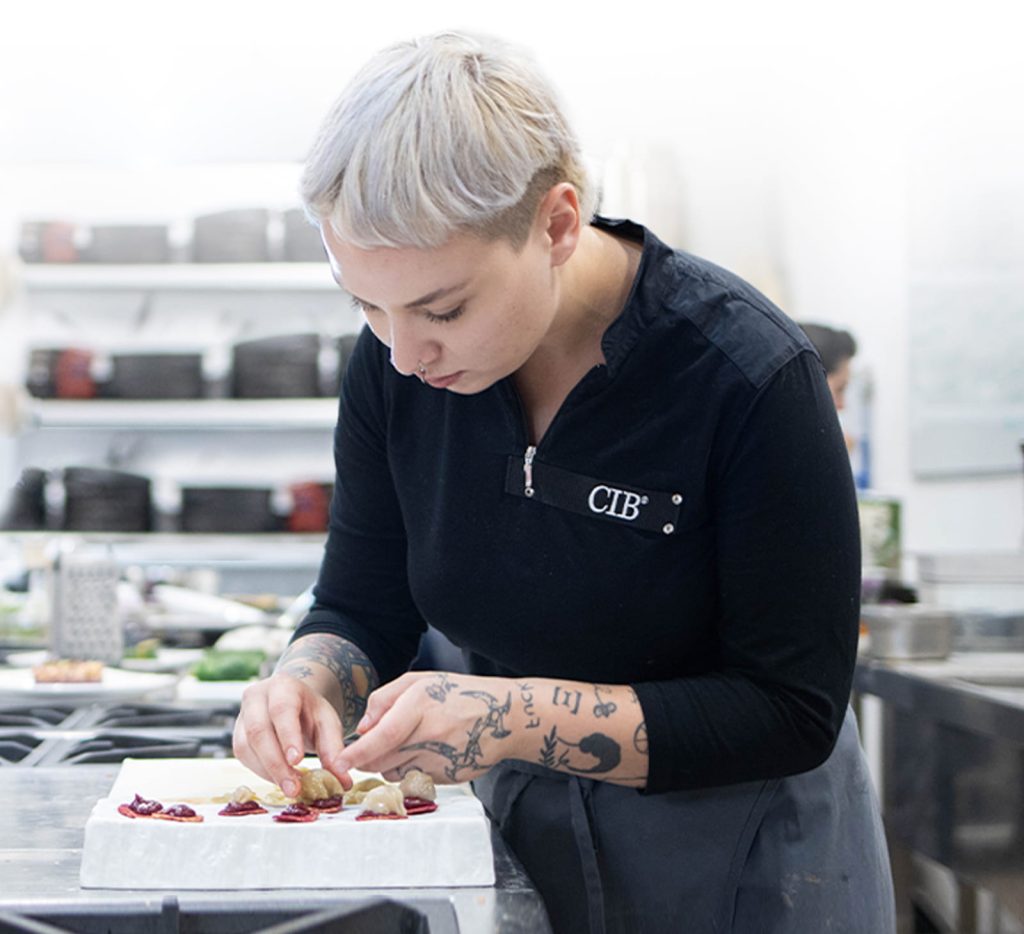
- Culinary Artistry: The presentation of food has evolved into an art form. Chefs are now plating their creations to resemble contemporary art pieces rather than mere meals, challenging the perception of food as solely for consumption. Restaurants like Alinea in Chicago exemplify this movement, where each dish is meticulously crafted to engage the senses and provoke thought. Dishes that not only taste good but are also visually stunning are captivating diners, leading to a new appreciation for food.
The experimental culinary approaches invite chefs to collaborate with scientists, artists, and even engineers. This interdisciplinary fusion creates an environment where new ideas flourish, resulting in meals that are not just to be eaten but experienced. For instance, collaborations between chefs and food technologists are pushing the envelope, enabling advances such as plant-based alternatives that mimic traditional meat flavors, appealing not only to vegetarians but also to a wider audience interested in sustainable dining.
As we delve deeper into this innovative scene, we’ll explore how American chefs are leading the charge. Across the United States, culinary pioneers are redefining what it means to dine. From the West Coast’s fresh, farm-to-table movements to the East Coast’s embrace of global flavors, chefs are drawing inspiration from diverse sources. Join us on this journey as we uncover the techniques and ingredients reshaping the future of our plates, igniting curiosity and inviting exploration into the transformative world of experimental culinary arts.
DISCOVER MORE: Click here to unleash your creativity
Pushing the Envelope: Innovative Techniques
At the heart of the experimental culinary movement lies the daring use of innovative techniques that transform traditional cooking into a science-infused art. Chefs today are leveraging modern processes previously limited to laboratory settings, inviting diners not only to taste, but to experience food in new dimensions.
One of the most fascinating techniques making waves in the culinary world is sous-vide cooking. This precise method involves vacuum-sealing food in a bag and cooking it slowly in a water bath at a controlled temperature. The technique ensures that meats are tender, vegetables retain their color and crispness, and flavors are locked in, offering diners an intense tasting experience that extends beyond the plate.
Another transformative practice is molecular gastronomy, where chefs harness the principles of chemistry and physics to create unexpected culinary delights. Techniques such as spherification allow chefs to encapsulate liquids into delicate, caviar-like orbs that burst with flavor upon being bitten. This artistry has elevated dining into an immersive experience, where each bite delivers a surprise, captivating the senses.
In addition to these methods, fermentation has seen a resurgence in popularity. Historically used for preservation, this technique is now being embraced for the complex flavors and health benefits it brings to dishes. Chefs are experimenting with everything from kimchi-infused desserts to homemade vinegars, utilizing live cultures to transform simple ingredients into something extraordinary. With the incorporation of probiotics, these fermented foods not only tantalize the taste buds but also support gut health, aligning with the growing trends toward wellness in culinary practices.
Spotlight on Unusual Ingredients
Alongside innovative techniques, the exploration of unusual ingredients is a cornerstone of experimental culinary arts. Chefs are constantly scouring the globe for components that challenge traditional flavor profiles and elevate their dishes. This section will highlight some of the most exciting trends seen in kitchens throughout the United States:
- Edible Flowers: Adding beautiful and unique flavors, edible flowers like nasturtiums and violets are not just decorative but also introduce notes of pepperiness or subtle sweetness. Their vibrant colors lend a touch of artistry and freshness to various preparations.
- Activated Charcoal: This ingredient has become a staple in contemporary kitchens, lauded for its detox properties. Often featured in cocktails and desserts, its dramatic black hue offers a striking visual contrast, encouraging those curious about its health benefits to indulge.
- Insect Cuisine: Drawing inspiration from global practices, chefs have started integrating sustainable protein sources like crickets and mealworms into their dishes. These insects can be ground into flour and used in everything from cookies to protein bars, promoting nutrition while minimizing environmental impact.
The exploration of these unconventional ingredients not only encourages creativity in the kitchen but also reflects a growing consumer curiosity surrounding global food trends. As diners become more adventurous, chefs are responding by pushing beyond the traditional grocery aisles and into realms that tempt the palate with freshness and excitement.
As we delve deeper into the experimental culinary scene, we will observe how the fusion of innovative techniques and unusual ingredients is reshaping not just how we prepare food, but also how we understand and appreciate it.
| Innovative Techniques | Unusual Ingredients |
|---|---|
| Molecular Gastronomy | Insect Protein |
| This technique encompasses science-based experiments that transform the texture and presentation of food, captivating diners. | Utilizing insects like crickets and mealworms, chefs tap into sustainable sources, showcasing creativity and environmental consciousness. |
| Sous-vide Cooking | Seaweed Varieties |
| Sous-vide maintains precision in temperature control leading to perfectly cooked meals without losing flavor or nutrients. | Incorporating ingredients like kombu and dulse introduces unique umami flavors while promoting health benefits. |
The world of experimental culinary arts offers endless possibilities, inviting chefs and food enthusiasts to challenge their creativity and innovate using both techniques and ingredients. By embracing unconventional methods such as molecular gastronomy and sous-vide cooking, chefs can transform traditional dining experiences into extraordinary adventures that tantalize the senses. Moreover, the incorporation of unusual ingredients like insect protein and distinct seaweed varieties not only opens up flavorful avenues but also raises sustainability and health awareness among consumers. Striking a balance between creativity and responsibility, this genre of culinary exploration promises to reshape the way we perceive and enjoy food. Delving deeper into these themes encourages a more rich and informed approach to gastronomy.
DIVE DEEPER: Click here to learn how to transform your dishes with local and organic ingredients</a
Breaking Boundaries: The Role of Texture and Presentation
Beyond just tastes and flavors, texture plays a crucial role in experimental culinary that contributes to the overall dining experience. Chefs are continually experimenting with how different textures can alter perceptions and enhance enjoyment. Techniques such as foaming and dehydration allow chefs to create dishes that are as much about the feel in the mouth as they are about the taste on the palate. For instance, a dish might feature a creamy foam atop a crunchy base, providing a delightful contrast that surprises the diner with each bite.
Another groundbreaking aspect of modern culinary arts is plating innovation. The aesthetic appeal of food has never been more relevant as chefs collaborate with artists and designers to turn dishes into stunning visual presentations. Using unconventional surfaces, such as slate tiles or wooden boards, chefs enhance the visual impact of their food. Additionally, the principles of artful garnishing—which may include everything from microgreens to elaborate sculptures made from vegetables—are now considered just as integral to the dining experience as taste itself.
Fermentation and foraging: A New Wave of Flavors
The revival of foraging has also taken root within the experimental culinary landscape. Chefs are stepping beyond conventional ingredients, venturing into nature to harvest wild edibles that offer unique flavors not typically found in marketplaces. Ingredients like wild mushrooms, elderflower, and sea vegetables are now gracing menus, marrying earthiness with creativity. This practice encourages not only sustainability but also a deeper connection to the local ecosystem, enabling chefs to craft narratives around their menus rooted in locality and seasonality.
Furthermore, fermentation has rapidly evolved into more than just an ancient preservation technique. Today’s culinary trailblazers are employing diverse fermented ingredients in unexpected ways, such as using fermented hot sauces that pack a punch of flavor and probiotics. They are delving into ferments like miso and tempeh, which not only add depth but have also gained recognition for their nutritional benefits. The taste profile of dishes can be completely transformed through the use of these complex, tangy elements, creating a multi-layered eating experience.
The Future of Experimental Culinary: Fusion and Cultural Exploration
As we venture further into the future of experimental culinary, the fusion of various culinary traditions is becoming increasingly prevalent. Chefs are marrying the techniques and components of vastly different cuisines, generating innovative flavor combinations and condiments. This approach not only caters to adventurous diners but also fosters a spirit of cultural appreciation and understanding.
For example, a recent trend involves the rise of Asian-Mediterranean cuisine, where chefs blend elements like miso and tahini to create sauces that are both familiar and novel. The combination of textures, tastes, and cultural ingredients encourages diners to expand their palates and embrace diverse culinary narratives.
In the heart of bustling urban centers, pop-up restaurants and food festivals dedicated to experimental culinary arts are becoming hubs for creative exploration. These temporary venues provide a platform for chefs to showcase their most daring ideas while encouraging collaboration among like-minded innovators. As diners increasingly seek novel experiences, the demand for food that challenges both the taste buds and traditional dining norms continues to rise.
As we explore the realm of experimental culinary, it becomes evident that the ongoing singular focus on creativity, sustainable sourcing, and exploration of global flavors is not merely a trend but a movement that reflects a profound evolution in how we perceive and interact with food.
DIVE DEEPER: Click here to uncover the emotional benefits of journaling
Conclusion: Embracing the Future of Culinary Innovation
In summary, the world of experimental culinary is a vibrant tapestry woven with creativity, sustainability, and an ever-expanding palate. As culinary enthusiasts seek experiences that transcend mere sustenance, chefs are boldly enacting change by challenging traditional norms and expectations. The integration of innovative techniques such as foaming, dehydration, and fermentation adds a dimension of excitement that transforms not just the flavor, but the very essence of dining. Unusual ingredients sourced from foraging expeditions invigorate dishes with earthiness and intrigue, highlighting a return to nature’s bounty.
The fusion of diverse culinary traditions catalyzes a cultural dialogue, encouraging an appreciation for global flavors that enrich the dining landscape. As chefs collaborate with artists and leverage striking presentation techniques, each plate becomes a canvas—an opportunity to tell a story that engages all the senses. These groundbreaking approaches are more than fleeting trends; they represent a shift towards a more thoughtful, inclusive, and innovative food narrative.
As we move forward, it is essential to embrace this evolution in the culinary arts. Understanding food as a medium for creativity invites all of us, from chefs to diners, to engage with it on a deeper level. The rise of experimental culinary is a call to adventure—a thrilling invitation to push boundaries, explore unlikely combinations, and savor the delightful surprises that await. While the future of dining is indeed uncharted, it is in this very uncertainty that we find the potential for extraordinary culinary experiences.