Exploring the Intersection of Art and Technology in Creative Projects
Introduction
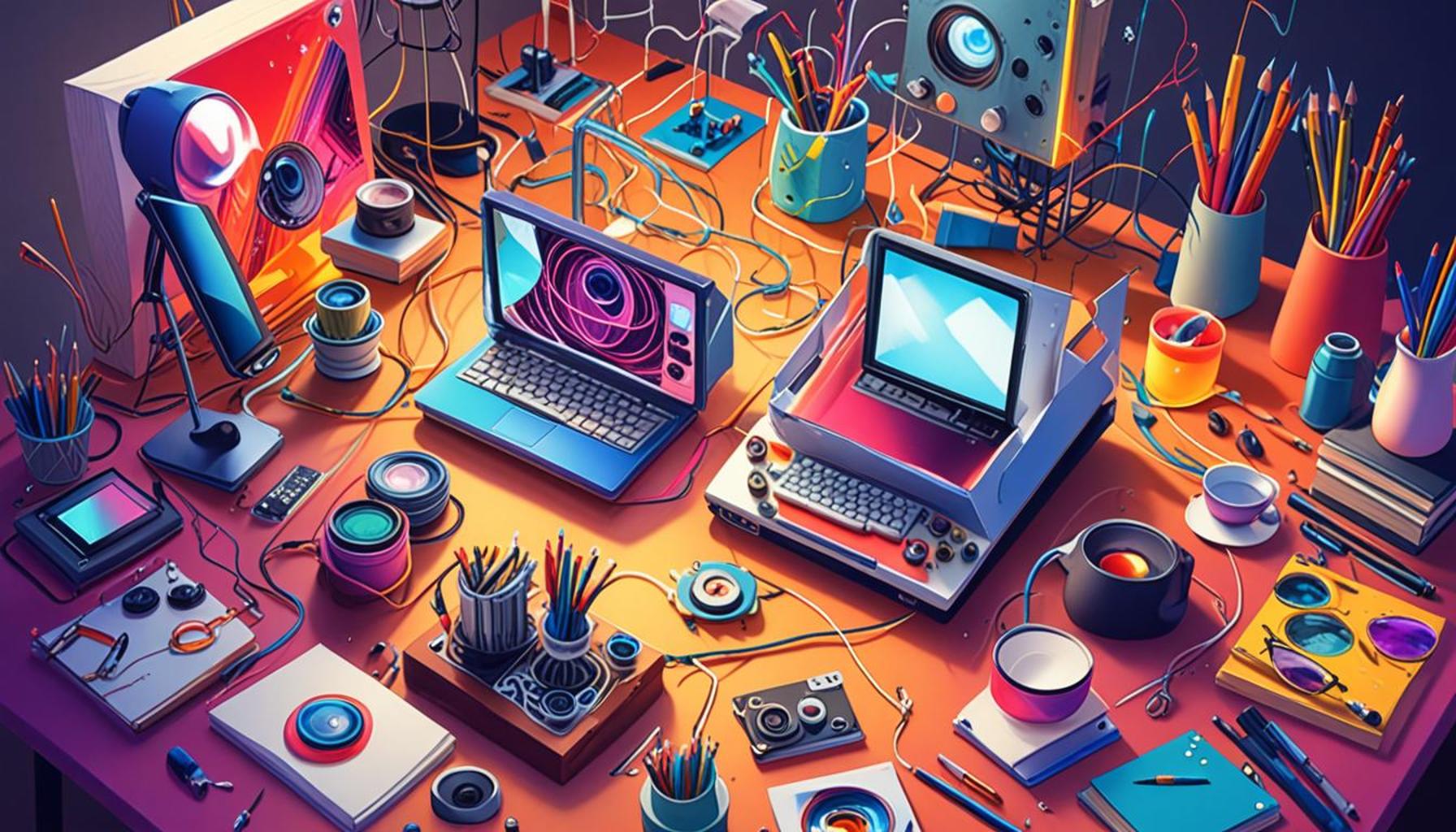
In today’s dynamic landscape, the fusion of art and technology is revolutionizing creative projects across various disciplines. This convergence invites artists and technologists to collaborate, creating innovative solutions that push boundaries and challenge traditional norms. The merging of these two fields not only transforms artistic expression but also reshapes the audience’s experience of art, making it more immersive and engaging than ever before.
Consider the following key examples highlighting this exciting intersection:
- Digital Installations: Artists are increasingly utilizing advanced software and interactive displays to create immersive experiences that captivate audiences. For instance, the renowned artist Refik Anadol uses data and artificial intelligence to craft stunning visual installations that interpret vast datasets into mesmerizing visual experiences. Exhibitions such as “Infinity Room” by Yayoi Kusama further illustrate how digital installations can engage viewers by enveloping them in environments that transcend physical limits.
- Virtual Reality: This technology allows audiences to step inside artworks, transforming how we interact with visual narratives. VR platforms like Oculus Rift have been instrumental in enabling experiences such as Google’s “Tilt Brush,” where users can paint in a three-dimensional space, offering an unprecedented level of interaction. Museums, like the Museum of Modern Art (MoMA) in New York, have incorporated VR elements into their exhibitions to allow patrons to experience art from different angles and perspectives.
- Generative Art: Artists harness algorithms to produce unique pieces, integrating randomness and automation into their works. This form of art leverages the capabilities of coding to create everything from digital paintings to dynamic installations. For instance, historical figures like Casey Reas, co-creator of Processing, have paved the way in this genre, leading to a rise in generative art practices that question authorship and creativity itself.
The impact of technology on art transcends the mere provision of tools; it’s fundamentally about redefining creativity and artistic expression. As we delve deeper into this intersection, we uncover trends and developments that continue to shape the cultural landscape. Initiatives that support technological innovation in art, such as the annual Ars Electronica Festival in Austria, showcase global projects that merge technology and creativity, inspiring a new generation of artists.
From enhancing accessibility through digital platforms to revolutionizing the creative process, the marriage of art and technology offers endless possibilities. Artists like Ai Weiwei and teamLab exemplify how technological advancements can drive social conversation and engagement, using immersive installations and digital art to reach audiences far beyond traditional art venues.
Join us as we explore these groundbreaking ways in which artists use technology to enhance their vision, inspire audiences, and expand the limits of creativity. The ongoing dialogue between art and technology promises a future brimming with innovation, where imagination knows no bounds, and art becomes a shared experience that transcends cultural barriers.
LEARN MORE: Click here to dive into the art of baking
Transformative Innovations in Artistic Expression
The integration of art and technology has catalyzed a transformative shift within the artistic community, encouraging new forms of creativity and expression. Innovations in technology are no longer just tools for making art; they are actively influencing the creation process and the conceptual framework of artistic practice itself. This evolving relationship between artists and technologists leads to a fertile ground where unprecedented ideas and projects flourish.
One of the most compelling aspects of this intersection is the growing influence of interactive art. By leveraging technologies such as motion sensors and augmented reality, artists create experiences that not only engage viewers but invite them to become a part of the artwork. A notable example is the work of artist Rafael Lozano-Hemmer, whose installations combine visitor interactions with light and sound, producing unique experiences each time. The complexity of these interactions challenges the audience’s conventional role, transforming them from passive observers to active participants in the artistic narrative.
Another area where the merger of art and technology shines is in digital art conservation. As museums in the United States increasingly embrace digital artworks, the need for preserving these ephemeral pieces becomes crucial. Institutions such as the Smithsonian American Art Museum are exploring how to archive and restore digital works, ensuring future generations can experience the breadth of contemporary creativity. This preservation effort highlights the importance of technology not only in creation but also in the ongoing legacy of art.
Collaboration: A Catalyst for Innovation
Collaboration has emerged as a driving force in the exploration of this intersection. When artists and technologists work together, they can tackle complex challenges and generate solutions that neither could achieve alone. The Techne Institute, based in Boston, exemplifies this spirit of collaboration by bringing together artists, scientists, and engineers to experiment with new forms of creative expression. Projects such as “Sonified Landscapes,” which turns environmental data into soundscapes, showcase how interdisciplinary teamwork can lead to groundbreaking artistic innovations.
Moreover, the rise of online platforms for sharing and showcasing art has democratized access to creative projects, allowing a wider audience to engage with art in novel ways. Websites and applications like Behance and Artsy have provided artists with virtual galleries to display their work, while also fostering a community of collaboration and feedback. As a result, artists from diverse backgrounds can share their perspectives, encouraging a more global dialogue on contemporary issues reflected in their art.
This intersection of art and technology is also giving rise to new forms of storytelling. Artists are utilizing data visualization tools and interactive mediums to tell compelling narratives that resonate with today’s tech-savvy audiences. One profound example is the work of artist Mounira Al Solh, who uses video, animation, and text to explore themes of identity and displacement in a culturally rich, interactive format. This blending of narratives through technology offers a fresh perspective on often complex themes, engaging viewers in a way that traditional methods cannot.
As we continue to explore the intersection of art and technology, the outcomes are bound to enrich both the artistic community and society at large. The adventure does not merely reside in the tools employed but in the profound questions and visions that arise from their integration. This ongoing evolution fuels a vibrant discussion surrounding the future of art—indicating that the horizons of creativity are vast and full of potential.
Exploring the Dynamics of Art and Technology
As we delve deeper into the intersection of art and technology, it’s essential to examine how these two fields interact to form innovative solutions and groundbreaking creativity. The fusion of technology and artistic expression has led to new forms of art, such as digital installations and virtual reality experiences, which challenge traditional understandings and expand the boundaries of creativity.Artists today are leveraging technology to enhance their projects, allowing for a richer exploration of themes, techniques, and processes. For example, the use of coding and software programs can generate interactive art pieces that engage audiences in a unique way, thus creating a dialogue between the work and its viewers. Not only does this democratize art, making it more accessible, but it also invites participation and collaboration in the creative process.Furthermore, technology is not just transforming the execution of art but also its evaluation and distribution. Online platforms allow artists to showcase their work to global audiences, bypassing traditional galleries and institutions. This shift opens up opportunities for various art styles to be recognized and appreciated. Social media, in particular, plays a pivotal role in this transformation, allowing for instant feedback and community building around different artistic initiatives. In summary, the dynamic relationship between art and technology is a catalyst for creativity, inspiring a generation of artists to explore uncharted territories and engage with their audiences in unprecedented ways. By embracing these advancements, the creative community is breaking down barriers and redefining what it means to create art in the modern world.
| Advantages of Art-Tech Fusion | Overview |
|---|---|
| Enhanced Engagement | Technology offers interactive platforms that captivate audience attention, thereby transforming viewer experience into active participation. |
| Broader Reach | Utilizing online platforms allows artists to share their work globally, engaging a diverse audience that extends beyond traditional galleries. |
Emerging technologies continue to pave new avenues for expression. From artificial intelligence in visual arts to VR experiences that transport viewers to new worlds, the collaboration between art and technology invites exploration and innovation. It fosters an environment where creativity thrives, anticipating future developments at this fascinating intersection.
DISCOVER MORE: Click here to start your baking journey
Innovative Avenues in Art and Technology Integration
The synergy between art and technology is extending beyond traditional boundaries, introducing innovative avenues that challenge and redefine the conventions of creative processes. As technological advancements continue to reshape our reality, artists are seizing the opportunity to explore new mediums, platforms, and methodologies that amplify their voices. Among these developments is the realm of virtual reality (VR), which is revolutionizing the way audiences experience art. By immersing viewers in a 360-degree environment, VR transforms passive observation into an engaging, multi-sensory experience. Artists like Marina Abramović have begun to utilize VR, inviting participants into their meticulously crafted worlds, thereby allowing for a profound exploration of emotion and identity.
Moreover, artificial intelligence (AI) is carving out its place in the creative landscape, serving as both a tool and collaborator in artistic endeavors. AI-generated art raises intriguing questions about authorship, originality, and the definition of creativity itself. Projects like DeepArt and Obvious’s “Edmond de Belamy” showcase how neural networks can replicate traditional styles and even create entirely new visual pieces. As AI becomes more integrated into the art-making process, the dialogue regarding machines as creative partners is expanding, prompting discussions about the implications for future artistic practices.
In addition, the emergence of blockchain technology is offering artists a new paradigm for ownership and distribution of digital art. The advent of non-fungible tokens (NFTs) has changed how work is valued and sold, allowing artists to retain a connection to their creations even after a sale. Digital artists can now profit from their work through resales and royalties, democratizing access to revenue streams traditionally reserved for physical art. Celebrated contemporary artists like Beeple have capitalized on this trend, auctioning digital artworks at prices that rival those of their physical counterparts, thereby solidifying the importance of incorporating technology into the art market.
Engaging the Community through Tech Innovations
Community engagement has also taken on new meaning through artistic projects that meld art with technology. Artists are increasingly using data-driven art to reflect societal issues, harnessing big data to illuminate urgent topics such as climate change, social justice, and public health. A prime example is artist Jenny Odell, who uses satellite imagery and data visualization to analyze and represent urban landscapes, challenging viewers to reconsider their relationship with the environment and community around them. This fusion of art and data fosters critical engagement, inviting the audience to partake in a reflection on pressing global issues.
Social media platforms have further amplified artists’ reach and impact, creating opportunities for grassroots movements and collaborative projects. The Instagram art movement has birthed new genres, enabling artists to share their work and stories in real time, fostering dialogues that transcend geographic boundaries. Hashtags like #ArtForChange highlight how artists utilize their platforms to elevate marginalized voices and advocate for social change, making art more accessible and relatable to a global audience.
This vibrant dynamism in the interaction between art and technology is giving rise to an exciting era of innovation, where the exploration of creative projects leads to new forms of expression. As artists break down the barriers of traditional conventions, they pave the way for future generations to engage in an ever-evolving dialogue amid the boundless possibilities that technology offers in the realm of art. Observing the transformative journey unfolds, it becomes clear that the future of artistic expression lies at the intersection of creativity, technology, and community engagement.
DIVE DEEPER: Click here to uncover the power of collaboration
Conclusion: A New Era of Creativity
As we navigate through the rapidly evolving landscape of artistic expression, it is evident that the intersection of art and technology is not merely a trend but a profound transformation in how we create, perceive, and engage with art. The integration of virtual reality, artificial intelligence, and blockchain technology presents unique opportunities for artists to enhance their creative practices while prompting essential questions around ownership, authenticity, and the very essence of creativity itself.
Moreover, technological innovations have opened avenues for social engagement, allowing artists to address pressing global issues through data-driven art and grassroots movements on platforms like Instagram. This new media landscape fosters a sense of community and collaboration, encouraging artists to reach wider audiences and inspire change in ways previously unimaginable. The conversation surrounding art is evolving, as creators utilize these tools to illuminate societal challenges, advocate for inclusivity, and democratize access to art.
Looking ahead, the fusion of technology and creativity will likely lead to further explorations that transcend convention. As artists continue to experiment with emerging technologies, audiences can expect to witness the unveiling of innovative forms of expression that challenge the status quo. It is an exciting time for both creators and viewers, as the future of art promises to be a dynamic tapestry woven with the threads of creativity, technology, and human experience. In this brave new world, the potential for artistic expression is boundless, inviting everyone to partake in the transformative journey ahead.