Exploring the Intersection of Music and Visual Arts: Creative Collaborations that Transform Aesthetic Experiences
The Convergence of Music and Visual Arts
The fusion of music and visual arts has yielded some of the most transformative experiences in the creative world. As these two forms of expression blend, they create a unique dialogue that captivates the senses and invites deeper engagement. This intersection leads to collaborations that redefine our understanding of both mediums, transcending traditional artistic boundaries.
Interactive Installations
One of the most exciting developments in the dialogue between music and visual arts is the emergence of interactive installations. These are both engaging and immersive, allowing visitors to experience art in a dynamic way. For instance, at the renowned interactive art exhibit teamLab Borderless in Tokyo, visitors can engage with light, color, and sound, creating a sensory-rich environment that responds to movements and touches. This transformative experience captures the rhythm visually, engaging audiences and pushing the boundaries of traditional art presentation.
Film Scores
Film scores serve as another key area where music enhances visual storytelling. Composers like John Williams and Hans Zimmer have created scores that evoke powerful emotions, making pivotal scenes even more impactful. Consider how the soaring strings and brass in Williams’ score for “Star Wars” elevate the excitement of space battles or the haunting piano notes of Zimmer in “Inception” that intensify the film’s dreamlike atmosphere. Such soundtracks are integral, seamlessly blending with visuals to craft a holistic storytelling experience that resonates deeply with audiences.
Live Performances
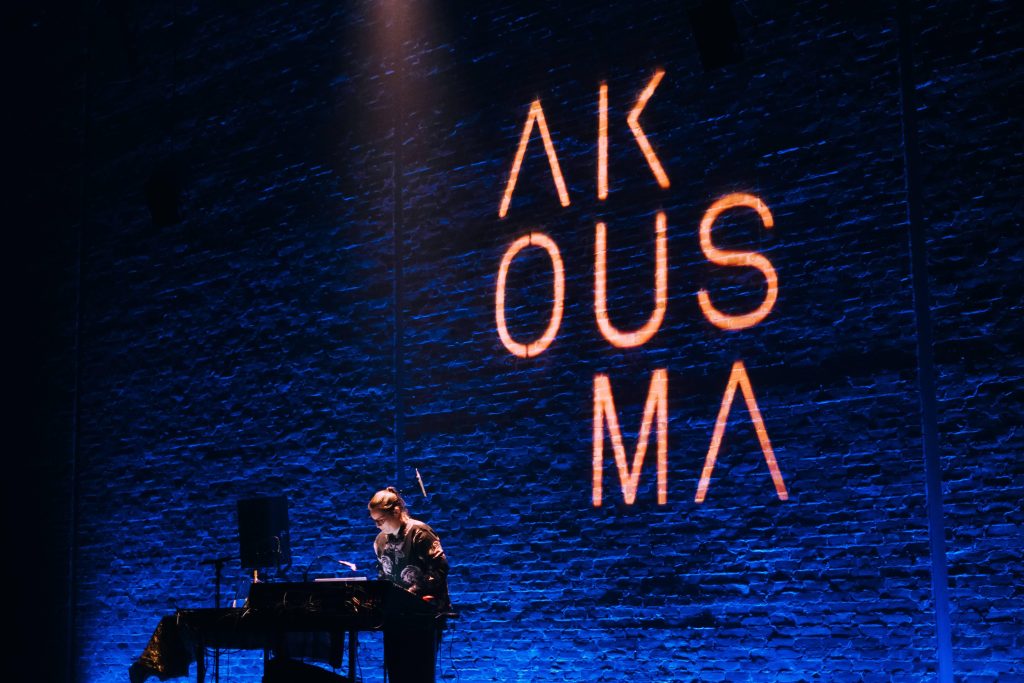
Live performances where musicians collaborate with visual artists contribute profoundly to the experience of art. Events like the Coachella Music Festival often feature stunning visual backdrops that synchronize with performances, creating a feast for the senses. Artists such as Amon Tobin have taken this further by using projection mapping to transform spaces, ensuring that each note played translates into a visual spectacle on stage. This synergy not only enriches the performance but also offers audiences a memorable experience that underscores the potential of collaborative creativity.
Exploring Historical Perspectives
To understand the synergy between these two art forms, one must look at the historical perspectives. The marriage of music and visual arts has roots in the avant-garde movements of the early 20th century. Artists like Wassily Kandinsky championed synesthesia, where colors evoke sounds, while in the 1960s, artists like Andy Warhol integrated music into their visual art, collaborating with bands like The Velvet Underground. Exploring these historical contexts reveals the longstanding and evolving relationship between these forms of expression.
Participation and Technological Advancements
Moreover, modern audiences are invited into the creation process, fostering opportunities for participation. Projects that encourage community involvement have gained traction, offering artists and audiences alike the chance to co-create unique experiences. Technological advancements play a significant role in this evolution, utilizing digital tools and platforms to work collaboratively and experiment innovatively. Artists can now blend disciplines in unprecedented ways, reaching wider audiences through online collaborations and performances streamed across various platforms.
Join us as we delve into the captivating realm where music meets visual arts, uncovering how these collaborations not only transform aesthetic experiences but also enhance our cultural landscape. The journey of exploration invites us to engage with both mediums in a more profound and interconnected manner than ever before.
DISCOVER MORE: Click here to learn how art can impact mental health
Creative Synergy in Artistic Expression
The relationship between music and visual arts has historically been a fertile ground for innovation, where the melding of sounds and sights creates stimulating experiences. By examining various forms of collaboration, we can better appreciate how these two artistic expressions not only coalesce but elevate the viewer’s journey through art. From public installations that invite participation to multimedia performances that push creative boundaries, each collaboration enhances the aesthetic experience in unique ways.
Public Art and Community Engagement
Public art projects have increasingly embraced the idea of collaboration between musicians and visual artists, enriching communities while fostering communal bonds. These large-scale works often serve essential social functions, transforming urban spaces into vibrant canvases of expression. Notable examples include the “Soundwalks” in many U.S. cities, which combine local musical talent and site-specific art installations, allowing audiences to explore neighborhoods through a mix of auditory and visual stimuli. Such projects are not only visually pleasing but also invite participants to discover the stories embedded in their local landscapes. These creative intersections can take various forms:
- Art Walks: Events where artists pair with musicians to guide visitors through an artistic route filled with installations accompanied by live music.
- Music Festivals: Festivals that integrate visual arts, such as mural painting or temporary installations, complementing the musical offerings that draw attendees.
- Flash Mobs: Impromptu performances that pair choreography with art displays, capturing the attention of unsuspecting passersby and delivering unexpected experiences.
These community-based collaborative ventures invite local residents to actively engage with both forms of art, deepening their connection to local culture while sparking conversations around creativity and expression.
Virtual Reality Experiences
The rise of virtual reality (VR) has opened new avenues for collaboration between music and visual arts, allowing for interactive environments where users can navigate completely immersive worlds. VR experiences can transport audiences into a realm where music and visual designs work harmoniously, such as the VR art installations presented at renowned exhibitions like the Venice Biennale or the Coachella festival. These avant-garde experiences enable viewers to explore virtual spaces where their movements influence music and visuals, creating a deeply personal aesthetic encounter. Artists like Björk and teams like Marshmello have successfully blended their musical performances with immersive VR environments, encouraging audiences to escape reality and immerse themselves in a creative utopia previously unimagined.
Collaborative Technology
The advent of technology has empowered artists to push the boundaries of their creative potential. Interactive applications and platforms allow musicians to work hand-in-hand with visual artists, resulting in stunning multimedia projects that captivate audiences. Artists can now share their processes online, intertwining their visions and networking across disciplines. This cooperative approach encourages experimentation and nurtures unconventional partnerships, leading to innovative outcomes that challenge the status quo. As technology continues to advance, we can expect even more groundbreaking collaborations to emerge, further enriching our aesthetic experiences and reshaping our understanding of both music and visual arts.
As we continue to explore the intersection of these two dynamic realms, it becomes evident that the possibilities are limitless. The evolving landscape of creative expression invites both artists and audiences to engage in an ever-changing dialogue, where innovation knows no bounds.
| Advantage | Description |
|---|---|
| Enhanced Emotional Engagement | Integrating music and visual arts elevates emotional responses, creating immersive experiences that resonate with audiences on a deeper level. |
| Cultural Fusion | Collaborations foster a blend of diverse cultures, reflecting rich traditions and innovative practices that enrich both disciplines. |
| Expanding Creative Boundaries | Artists push boundaries of creativity by merging categories, offering fresh perspectives and inspiring future collaborations and explorations. |
| New Aesthetic Experiences | The intersection of music and visual arts leads to groundbreaking works that captivate audiences, providing a multisensory experience that transforms traditional approaches. |
The integration of music and visual arts not only enhances emotional engagement but also allows for the cultural fusion that reflects the richness of human expression. Through combining elements from both fields, artists can expand creative boundaries and explore innovative avenues that spark new ideas and collaborations. This intersection creates new aesthetic experiences that challenge conventional perceptions, inviting audiences to engage with art in ways that are more profound and impactful. From immersive installations to multimedia performances, the collaborative efforts are reshaping our understanding of art and its ability to evoke emotion and thought, encouraging a deeper exploration of what art can achieve when disciplines converge.
LEARN MORE: Click here to discover the essentials of baking
Innovative Approaches to Art and Sound
As we delve deeper into the intersection of music and visual arts, we uncover an array of innovative approaches that demonstrate how these creative fields can collaborate to craft compelling aesthetic experiences. The evolution of artistic expression has largely been influenced by the juxtaposition of these two disciplines, as artists continue to explore uncharted territories that bridge the gap between auditory and visual sensations.
Interactive Installations
One of the most exciting frontiers in the fusion of music and visual arts is the realm of interactive installations. These immersive environments allow attendees to become co-creators, participating in the art-making process in real-time. For instance, the works of Ryoji Ikeda, a Japanese sound artist, employ data and sound in conjunction with visual projections to create an experience that manipulates concepts of time and perception. His installations invite participants to traverse multi-sensory landscapes, ultimately challenging traditional notions of art consumption.
These interactive experiences are not confined to galleries alone; events like Burning Man showcase large-scale art installations that incorporate soundscapes for participants to engage with. Each project becomes a collective endeavor where attendees contribute to a living art piece that evolves throughout the event. This shift in the viewer’s role fosters a sense of ownership and intimacy with the artwork, creating dynamic experiences that resonate on multiple levels.
Cross-Disciplinary Collaborations
The advent of cross-disciplinary collaborations continues to gain momentum as artists from different fields join forces to create groundbreaking projects. Renowned initiatives, such as the “Art and Music” program at New York City’s Lincoln Center, bring together musicians and visual artists to reimagine performances and exhibitions. Such initiatives leverage diverse skill sets to transform traditional forms of artistic presentation, providing audiences with a richer understanding of each medium.
Moreover, globally acclaimed artists like Marina Abramović and David Byrne have ventured into the intersection of performance art and music, designing experiences that transcend conventional expectations. Byrne’s work with immersive theater and multimedia performances demonstrates the power of collaboration; he employs visual elements alongside his music to create narrative experiences that captivate and provoke thought. This integration invites audiences to navigate experiences that combine narratives, emotions, and aesthetics into an all-encompassing journey.
The Influence of Cultural Movements
The fusion of music and visual arts has also been influenced by various cultural movements, shaping the landscape of aesthetic expression. From the Dada movement of the early 20th century to the contemporary Street Art movement, artists have long recognized the power of combining visual imagery with sound to convey social and political messages. The Hip-Hop culture is a notable example of this intersection, where artists like Banksy and Kara Walker employ visual storytelling alongside beats and lyrics, turning their expressions into commentaries on cultural issues.
As these collaborations evolve, they remain vital in challenging societal norms and inspiring change through creative endeavors. Artists harness the combined strength of sound and sight to communicate complex ideas, providing new perspectives on important themes. This transformative potential underscores the ongoing relevance of exploring the intersections of music and visual arts as they continue to shape our cultural landscape.
DISCOVER MORE: Click here to dive deeper
Conclusion
In conclusion, the exploration of the intersection between music and visual arts reveals a vibrant tapestry of creative collaborations that continually reshape our aesthetic experiences. Through innovative techniques such as interactive installations and cross-disciplinary partnerships, artists are pushing boundaries and redefining traditional forms of expression. These dynamic collaborations invite audiences not only to observe but to actively participate in the artistic process, fostering deeper connections with the works presented.
Furthermore, the influence of cultural movements exemplifies how the fusion of music and visual arts serves as a powerful vehicle for social commentary and change. The interplay of visual imagery and sound offers a unique platform for artists to address complex themes that resonate with contemporary society, allowing them to transcend the ordinary and evoke profound reflections among viewers.
As we navigate this evolving landscape, the potential for transformative experiences remains boundless. The ongoing dialogue between these two art forms encourages future generations of artists to experiment and innovate, ultimately enriching the cultural fabric of society. By embracing the synergy of music and visual arts, we not only enhance our appreciation for both disciplines but also open our minds to new perspectives and possibilities. The journey into this creative realm is as inspiring as it is essential, prompting us to continue investigating the ways in which sound and sight can unite to illuminate the depths of human experience.