
How Crafts Can Promote Social Connection in Communities

The Role of Crafts in Building Community Ties
Crafts have been an inherent part of human culture for centuries, transcending geographical and social boundaries. Beyond their aesthetic appeal, crafting is recognized as a potent avenue for social connection. Each crafted item tells a story, and the act of creating it provides a platform for individuals to come together, fostering a sense of belonging and community.
Across the United States, numerous initiatives highlight the ways crafts can unite people. For instance:
- Workshops: Organizations frequently host workshops that teach various skills such as knitting, pottery, or woodworking. These not only enhance individual capabilities but also promote teamwork and collaboration. Participants from different backgrounds often share techniques and ideas, enriching the experience for everyone involved. For example, a knitting circle can turn into a supportive group that encourages creativity and social bonding.
- Local Markets: Farmers’ markets and craft fairs provide artisans with the opportunity to showcase their creations while also connecting with others in the community. These markets become social hubs where consumers appreciate handmade goods, and vendors network with potential collaborators. Events like the Renegade Craft Fair in cities like Chicago and San Francisco bring together thousands of artisans and craft enthusiasts, creating bonds that often extend beyond the marketplace.
- Community Projects: Large-scale collaborative efforts, such as public mural projects and community gardens, invite diverse groups to work side by side. For instance, in cities like Detroit, community art projects have revitalized neighborhoods while allowing various demographics to participate in crafting a new visual identity for their area. These projects not only beautify spaces but also encourage conversations and foster mutual respect among different social groups.
Engaging in crafts offers individuals various benefits, enhancing their experiences in significant ways:
- Improved Communication: As participants share tools and techniques, they naturally engage in conversations, fostering dialogue that deepens connections. A simple exchange about preferred yarns or paint colors can lead to lasting friendships and networks.
- Shared Experiences: Crafting creates memorable moments that resonate. Whether it’s a successful pottery class that results in a favorite mug or a laugh shared over a sewing mishap, these experiences contribute to stronger community ties. They turn strangers into friends over laughter and learning.
- Inclusivity: Crafting welcomes individuals from various backgrounds to come together and connect over creative endeavors. Events that promote different cultural crafts—like Mexican papel picado or Ukrainian egg decorating—allow participants not only to learn about the craft but also about the cultures represented, enhancing social inclusivity and understanding.
The powerful nature of crafts to foster social connection is palpable in communities nationwide, transcending socioeconomic boundaries. As more people embrace crafting as both a hobby and community-building tool, the profound impact of these connections continues to flourish. Engaging with others in creative pursuits not only enhances individual well-being but also strengthens the very fabric of our communities, making the potential of crafting a dynamic force for social change.
DISCOVER MORE: Click here to delve deeper into the benefits of music education
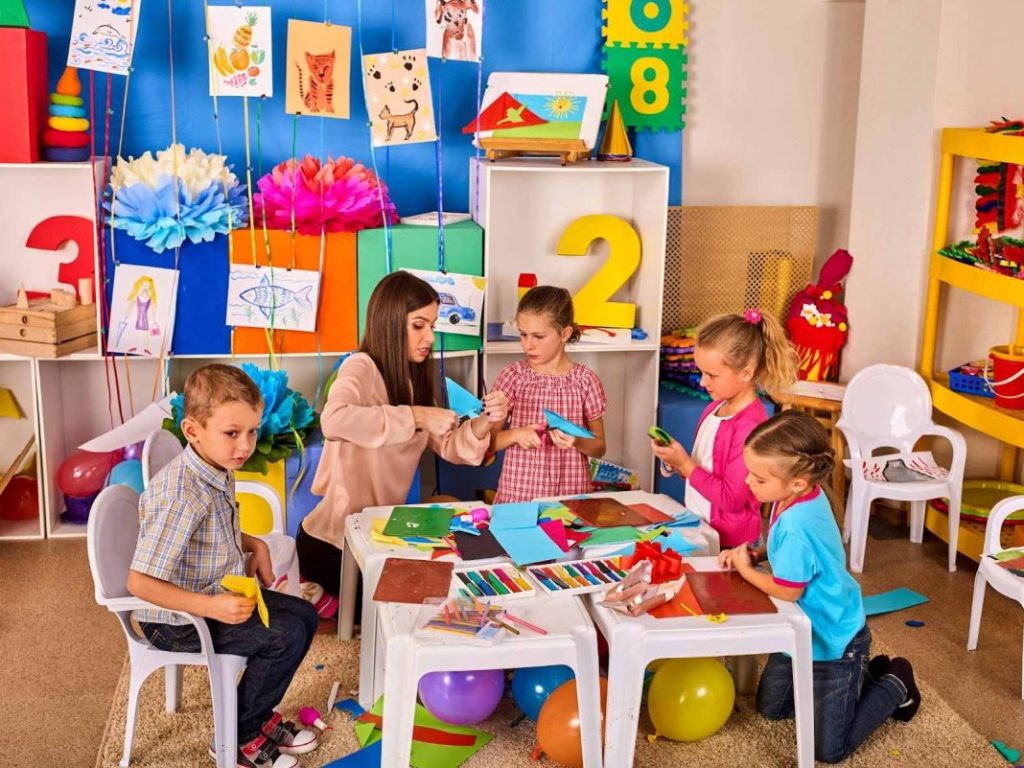
The Therapeutic Benefits of Crafting Together
Participating in craft activities can provide more than just an avenue for creativity; it offers significant mental health benefits that are particularly amplified when done in a group setting. As individuals engage in various craft projects, they often experience a sense of relaxation and psychological relief. Numerous studies support the idea that crafting can alleviate symptoms of anxiety and depression, making it a valuable tool for enhancing mental wellness within communities.
When craft enthusiasts gather in groups, they inadvertently engage in communal therapeutic processes that contribute to their overall well-being. Here are some of the key benefits associated with crafting in social contexts:
- Stress Reduction: The repetitive motions involved in crafts such as knitting or painting can induce a meditative state. This effect is amplified when shared with others, as support and encouragement flow freely, creating an environment that promotes healing.
- Boosting Self-Esteem: Successfully completing a craft project, especially when shared with peers, significantly boosts an individual’s self-worth. Crafting communities often celebrate achievements together, fostering an atmosphere where both small and significant successes are acknowledged.
- Increased Social Support: Crafting groups often evolve into vital support networks. Participants exchange ideas, advice, and even personal stories, resulting in heartfelt connections that extend beyond the crafting session. This camaraderie offers a sense of belonging that is especially transformative for those who may feel isolated in their daily lives.
Instances across the nation highlight the profound impact of crafting on mental health and social connection. For example, many hospitals and wellness centers now incorporate craft programs into their healing processes. Organizations like Crafting for a Cure provide workshops specifically designed for cancer patients and survivors, utilizing crafting to not only distract from treatment but also to foster companionship among participants.
Additionally, community centers in urban areas often implement craft nights to engage residents from various demographics. Such initiatives recognize the transformative potential of crafting—making art accessible can help bridge gaps between generations, cultures, and socioeconomic backgrounds. For instance, a community quilt project can unite individuals from different walks of life, encouraging them to contribute their unique patches. As they work together, participants develop a shared sense of purpose while building valuable relationships.
In many cases, these community crafting efforts also spur local economic development. By attracting individuals to craft nights and workshops, businesses gain opportunities to connect and collaborate with residents, ultimately leading to enriched communal ties and strengthened local economies. Crafting, therefore, extends its reach beyond personal enrichment, demonstrating that the simple act of creation can have far-reaching implications for social connection and community identity.
Crafting plays a significant role in fostering social connections within communities. As individuals engage in various crafts—be it knitting, pottery, woodworking, or painting—they not only express their creativity but also interact with others who share similar interests. This process of coming together often results in the formation of groups, workshops, and community events, which serve as platforms for collaboration and exchange of ideas. Moreover, crafts provide an opportunity for intergenerational interaction. Older adults can pass down their skills and traditions to younger generations, creating bonds and enriching the community’s cultural fabric. This transmission of knowledge not only enhances the skills of younger participants but also validates the experiences of older individuals, strengthening relationships across age groups.Additionally, crafting activities can break down social barriers. People from diverse backgrounds can unite in crafting, offering a shared experience that encourages open communication and understanding. By participating in collaborative projects, individuals learn to appreciate different perspectives, fostering a sense of belonging and acceptance. Consider, for instance, community art projects where local residents come together to create murals or sculptures. Such initiatives not only beautify neighborhoods but also create a sense of pride and ownership among participants, enhancing community spirit. Engaging with crafts can also serve as a therapeutic approach, allowing participants to unwind and connect on a deeper emotional level, promoting mental well-being in the process.As these connections deepen, they can lead to the establishment of support networks that extend beyond crafting sessions. This sense of community can be especially crucial during challenging times, providing individuals with a reliable resource for encouragement and assistance. Thus, crafts don’t merely serve as hobbies; they are powerful tools for community building and emotional health.To encapsulate, the act of crafting transcends mere artistic expression. It cultivates social bonds, promotes cultural exchange, and enriches community life in multifaceted ways, leaving lasting impacts on individuals and the broader community.
| Category 1 | Category 2 |
|---|---|
| Community Engagement | Crafts foster collaboration and group activities. |
| Intergenerational Learning | Skills passed down through generations create bonds. |
| Diverse Interactions | Crafting breaks down barriers and promotes understanding. |
| Emotional Support | Creates networks for encouragement and assistance. |
Through these engaging activities, communities can strengthen their fabric, ensuring a more inclusive and supportive environment for all their members.
DISCOVER MORE: Click here to find out more
Fostering Intergenerational Connections Through Crafting
One of the most fascinating aspects of crafting is its ability to bridge generations, fostering connections that may otherwise remain untapped. With many communities facing increasing age segregation, intergenerational craft programs offer a unique opportunity to break down these barriers, and encourage the sharing of skills and stories. In a world where technology often isolates older generations, crafting provides an engaging platform for collaboration and understanding.
Programs such as Crafts with Grandparents bring together children and elderly participants in a shared space, promoting enthusiasm and enriching relationships. Younger generations not only learn traditional crafts—like embroidery, woodworking, or baking—but also gain firsthand insights into the life experiences that shape their elders’ perspectives. Meanwhile, older adults find joy in teaching and engaging with youthful energy, effectively rejuvenating their own sense of purpose.
Furthermore, studies indicate that intergenerational crafting can combat feelings of loneliness experienced by seniors. Engaging in group activities has been shown to boost cognitive function and emotional well-being, allowing older adults to remain active participants in their communities. Consider how a community art center in Minnesota developed a ‘Knit and Sip’ program that invites both young adults and seniors to tackle knitting projects together while exchanging stories over refreshments. The result is not only a cozy scarf but a sense of camaraderie that weaves bonds across age divides.
Crafting as a Tool for Cultural Exchange
Crafting also serves as a conduit for cultural exchange within diverse communities. In an era of increasing multiculturalism in the United States, crafting activities can highlight various backgrounds and traditions, encouraging participants to appreciate and celebrate differences. For instance, workshops that focus on traditional crafts—such as sumi-e (Japanese ink painting) or beading from Native American heritage—foster deeper understanding and respect among participants from different cultural backgrounds.
Programs like Weaving Cultures exemplify this, organizing community events where individuals from various ethnic groups come together to share their heritage through crafts. By working side by side on projects such as multicultural mosaic tiles, participants weave individual stories into a collective narrative, ultimately creating beautiful art pieces that reflect the richness of their community’s diversity.
The results of such cultural exchanges extend beyond the immediate joy of crafting. Participants often leave these sessions with broader perspectives and a greater appreciation for their neighbors. As they collectively create, they also break down stereotypes and preconceived notions, fostering an inclusive environment where respect and friendship flourish.
Promoting Local Economies Through Crafting Initiatives
Establishing community crafting programs can have positive ripple effects on local economies. Many towns and cities have begun to recognize the potential of arts and crafts as an economic driver. By organizing craft fairs, exhibitions, and markets, communities not only give local artisans a platform to showcase their work but also encourage residents to support homegrown businesses.
Investing in crafting initiatives also stimulates job creation as local artisans and experts are sought to lead workshops. This engagement creates a vibrant ecosystem where residents are inspired to buy locally, supporting small businesses and contributing to revitalized neighborhoods. Example initiatives, such as Made in the USA Craft Fairs, are proving that communities can effectively translate a shared passion for crafting into economic sustainability.
As these multifaceted benefits illustrate, crafting presents an effective way to forge social connections, promote cultural understanding, and stimulate local economies—all while enriching individual lives in the process. By prioritizing these community crafting efforts, neighborhoods can cultivate an environment that thrives on creativity, collaboration, and connection.
DISCOVER MORE: Click here to explore the world of flavors
Conclusion: The Transformative Power of Crafting in Communities
In summary, the impact of crafts on fostering social connection within communities cannot be overstated. Through various crafting initiatives, communities have the power to unite individuals across diverse backgrounds and age groups, fostering a sense of belonging and understanding. By engaging multiple generations in shared creative pursuits, such as intergenerational workshops, we are not only instilling traditional skills but also nurturing relationships that enrich lives.
Moreover, crafting serves as a vibrant platform for cultural exchange. As communities come together to learn different crafting techniques rooted in unique traditions, participants inevitably expand their horizons, leading to appreciation and respect for their neighbors. These collaborative experiences not only weave individual stories into a community tapestry but also challenge stereotypes, fostering a more inclusive atmosphere.
On a practical level, crafting can breathe life into local economies, stimulating job creation and encouraging support for local artisans. Community crafting initiatives, such as fairs and markets, transform creative passion into economic sustainability, impacting the vibrancy of neighborhoods while promoting local talent.
As we look to the future, it is crucial for community leaders and residents to invest in and prioritize these crafting programs. The simple act of coming together to create can transcend barriers, promoting social connection and enriching community life. By harnessing the power of crafts, communities have the potential to cultivate environments filled with creativity, collaboration, and genuine connections that lead to lasting change.