How Interior Design Influences Personal Organization in Small Spaces
Understanding Effective Interior Design
In today’s fast-paced world, where urban living often means smaller living spaces, the significance of effective interior design cannot be overstated. The spatial dynamics of your home—or any environment you inhabit—can have profound effects on your daily routines, mood, and overall productivity. This underlying connection between interior design and personal organization is essential for anyone looking to maximize their living or working environment.
Let’s delve deeper into some crucial aspects of interior design that can significantly impact personal organization:
- Layout and Flow: The arrangement of furniture and spaces within a home directly influences how people move and interact with their environment. Consider an open-concept floor plan, common in many modern American homes. Such layouts can create a sense of connectivity and openness, allowing natural light to pour in and enhancing overall accessibility. For instance, positioning a dining table adjacent to the kitchen can facilitate easier meal service and enhance social interaction.
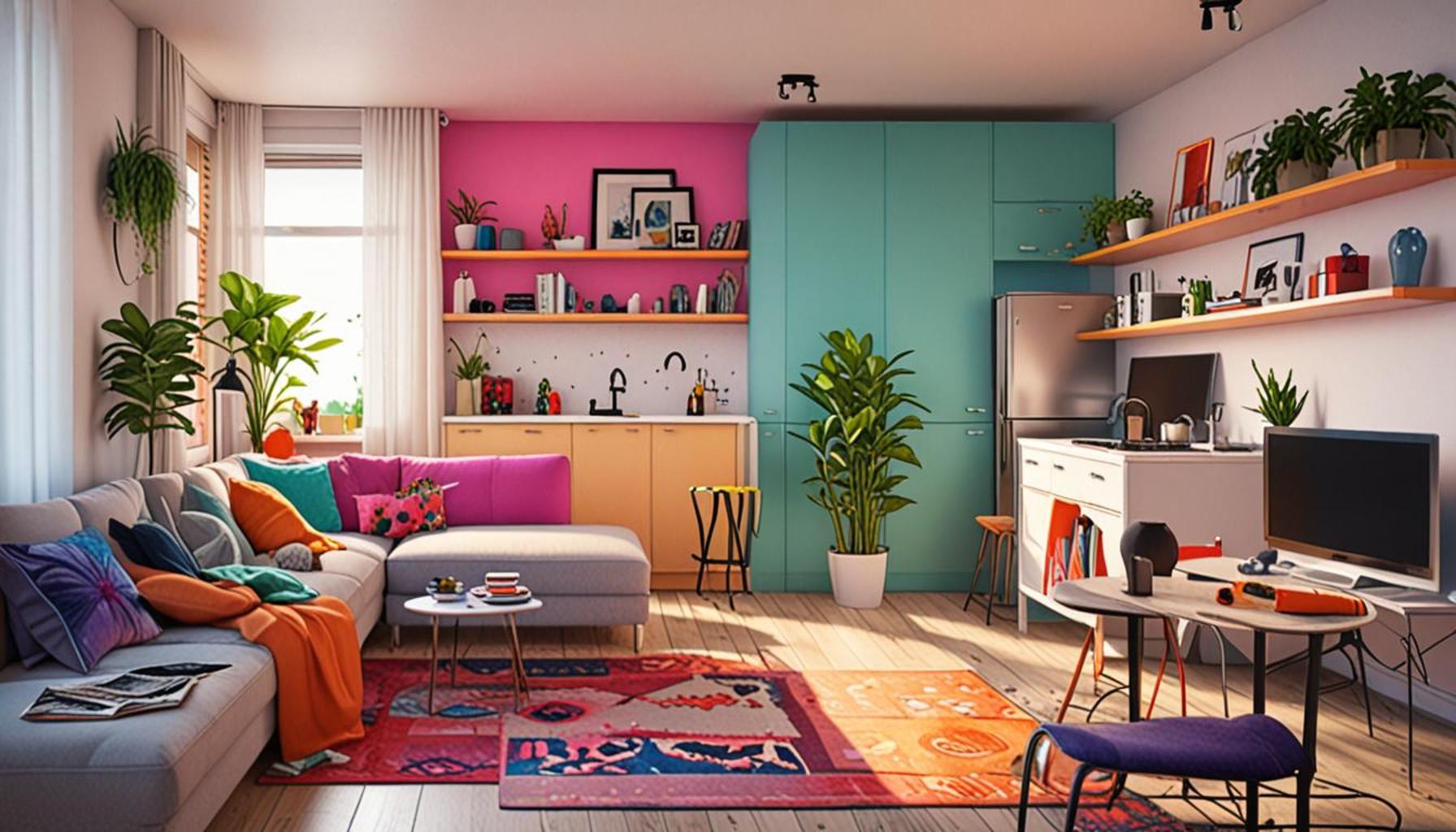
- Color Schemes: Colors have remarkable psychological effects; lighter hues can create an illusion of spaciousness. For example, soft whites or light pastels painted on walls can make a compact room feel airy and expansive, while darker shades might make a small area feel increasingly confined. Those looking to adopt this strategy can also use colorful accents in accessories or artwork to introduce vibrancy without overwhelming the space.
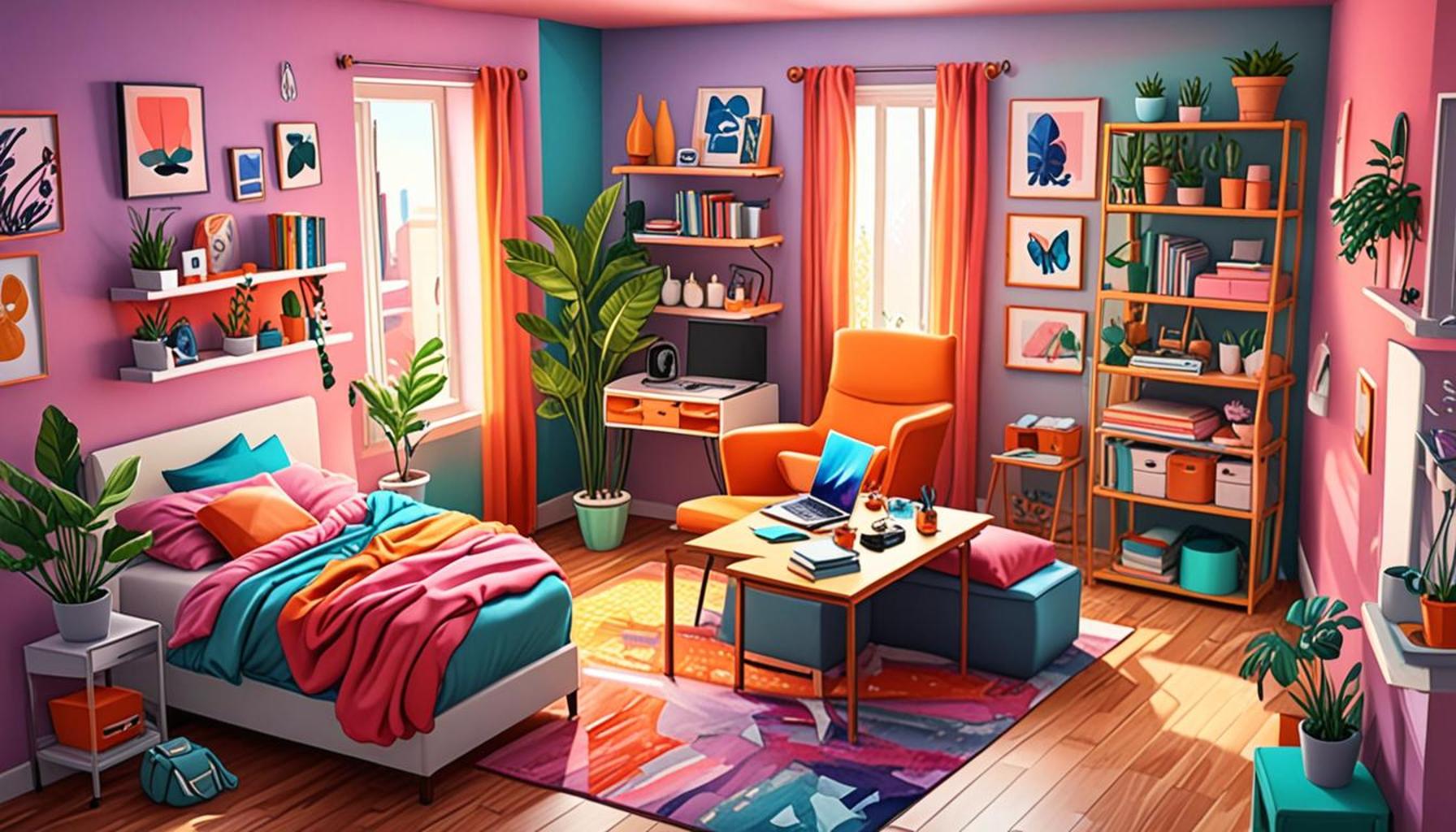
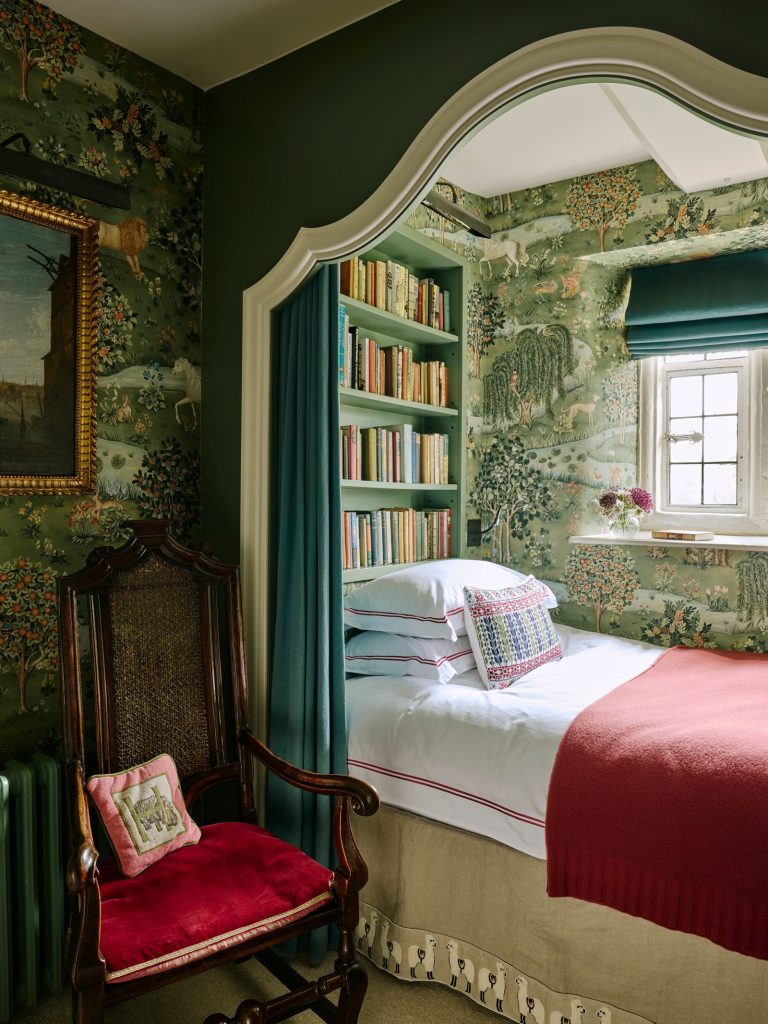
- Multi-functional Furniture: In the realm of small space living, multifunctionality reigns supreme. Furniture that serves dual purposes, like a bed with built-in drawers or a coffee table that doubles as a storage unit, can help minimize visual clutter and create a more organized environment. This trend has surged in popularity, with many designers crafting innovative solutions that also serve as stylish decor.
The challenge of living in smaller spaces has led to a surge of creativity in interior design. Innovative storage solutions, such as under-stair drawers or wall-mounted shelves, can substantially declutter a home, making it visually appealing and easier to navigate. These well-thought-out design choices contribute to a sense of order and calm, transforming your environment into a sanctuary of productivity.
As you explore the intersection of interior design and personal organization, you are likely to discover practical strategies that not only enhance the aesthetics of your home but also significantly improve your mental well-being and daily efficiency. The right design can turn any small space into a functional, organized haven tailored to your lifestyle needs. With careful consideration of layout, color, and furniture choices, you can achieve a harmonious balance that resonates throughout your living space.
DISCOVER MORE: Click here to learn about the power of essentialism
The Role of Layout in Small Space Organization
When it comes to organizing small spaces, the layout can arguably be the most significant factor. A well-considered layout doesn’t just create a flow for traffic; it defines where and how activities can take place. In small apartments or homes, optimizing the layout is crucial to maximizing every square foot. By carefully designing the spatial arrangement, individuals can make their living areas not only more functional but also conducive to a more organized lifestyle.
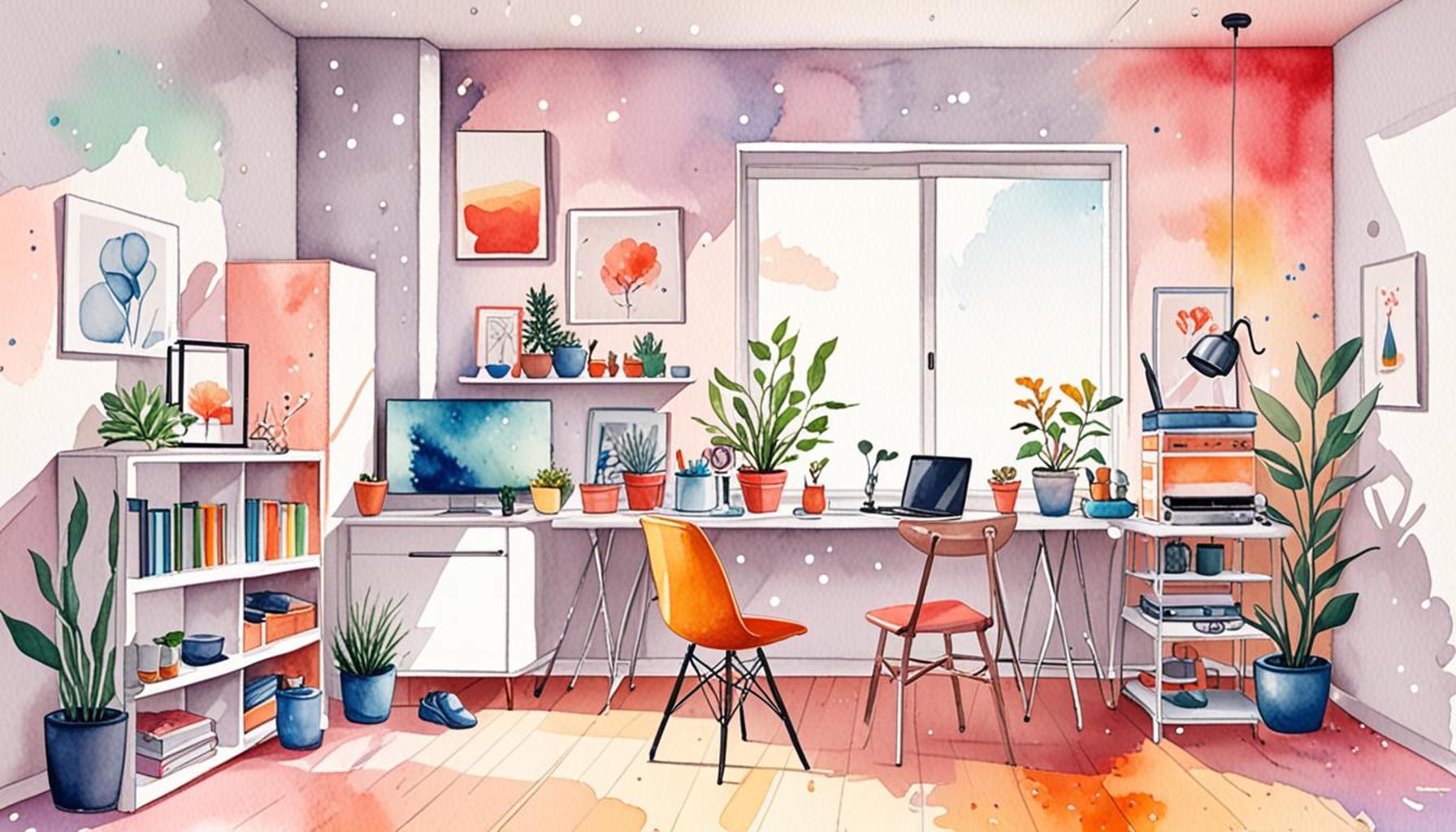
For example, using a zoned layout can create distinct areas for different activities, such as sleeping, working, and relaxing. By setting boundaries within a small space, even visual ones, residents can experience a more structured environment that discourages clutter. Think of creating a small office nook in a corner or using a room divider to define a living area from a work area. This method enhances personal organization, as you can keep respective items within easy reach, thereby streamlining daily tasks.
Harnessing Vertical Space: Storage Solutions and More
One of the most effective strategies for maintaining organization in small living spaces is to think vertically. Traditional storage solutions like dressers and cabinets take up valuable floor space, but by utilizing walls, homeowners can introduce innovative organizational tactics. Consider the following:
- Wall-mounted shelving: These shelves not only hold books and decorative items but can also keep everyday essentials conveniently within reach. They draw the eye upward, creating the illusion of higher ceilings.
- Hooks and pegboards: These can be installed in entryways or kitchens to hang bags, utensils, and other items. Utilizing surfaces that often go unused can free up counter space and maintain a tidy appearance.
- Over-the-door organizers: Perfect for bathrooms and closets, these allow for additional storage without the need for permanent installations. They can store anything from shoes to cleaning supplies.
Interestingly, many Americans are realizing that traditional furniture layouts may not suit their needs in smaller environments. As a response to the increased demand for effective storage solutions, furniture designers are innovating by incorporating hidden storage within pieces that blend seamlessly with decor. For example, a sofa with a built-in compartment can hold blankets and cushions, minimizing clutter while maintaining style.
The Psychological Advantages of Thoughtful Design
Beyond aesthetic appeal, the influence of interior design on personal organization can also extend to mental well-being. A well-organized space reduces stress and fosters a calm atmosphere, encouraging productivity and creativity. Researchers have found that disorganized environments can lead to feelings of anxiety and chaos, making it difficult for individuals to focus on tasks. By implementing strategic design choices, such as creating serene spaces through color and reducing clutter with smart storage solutions, a constructive environment can emerge.
To sum up, understanding how to utilize space creatively and effectively can transform a cramped environment into a structured haven. With mindful attention to layout, vertical organization, and psychological clarity of design, anyone can achieve a harmonious balance, improving both personal organization and overall quality of life within their small space.
| Interior Design Strategy | Influence on Organization |
|---|---|
| Multifunctional Furniture | Creates versatile spaces, providing storage solutions while maximizing floor space. |
| Color Psychology | Uses calming color palettes that help reduce clutter and enhance focus, promoting an organized environment. |
| Open Shelving | Encourages visible organization of items, making it easier to keep track of belongings and reducing mess. |
| Smart Lighting | Enhances visibility and mood, enabling better organization by illuminating all areas and highlighting important spaces. |
Incorporating design elements such as multifunctional furniture not only serves aesthetic purposes but also allows homeowners to optimize their limited space efficiently. For instance, a bed with built-in drawers can provide both sleeping space and valuable storage, easing the challenge of clutter in small areas.Furthermore, understanding color psychology plays a vital role—using soothing colors can positively affect mood and encourage tidiness. Bright, vibrant colors may energize a space, but softer hues typically create a more organized and calming environment.The adoption of open shelving can transform how items are organized. Items displayed openly can minimize the risk of losing them in a cluttered drawer while also making the everyday items more accessible, promoting a sense of cleanliness.Investing in smart lighting solutions can dramatically improve the functionality of small spaces. By ensuring that each corner is well-lit, individuals are less likely to misplace items, keeping their space not just visually appealing but also effectively organized.
LEARN MORE: Click here to discover the power of saying no
Color Schemes and Their Impact on Space Perception
The colors we choose for our interiors play a pivotal role in shaping our experience within a space, particularly in smaller environments. A thoughtfully chosen color scheme can enhance organization by influencing how we perceive our surroundings. Light, neutral colors, such as whites, beiges, and soft pastels, can create an illusion of spaciousness, making small areas feel airier and less cluttered. Conversely, darker shades may compact the appearance of a room, which can make it feel overwhelming and chaotic if not managed well.
Moreover, color can affect mood and productivity. Studies have indicated that certain colors can promote calmness or energy, depending on their usage. For instance, blue tones are known for their calming effects, making them great for bedrooms or reading nooks where tranquility is desired. In contrast, vibrant hues like yellows or oranges can stimulate creativity and should be integrated into workspaces or craft corners. Hence, selecting the right colors based on the functionality of each space can aid in personal organization by aligning moods and energy levels with tasks at hand.
Multi-Functional Furniture: The Key to Flexibility
As the trend towards smaller living spaces grows, so does the popularity of multi-functional furniture. This innovative approach to interior design can dramatically enhance personal organization. Pieces that serve more than one purpose—like a coffee table that converts to a dining table or a sofa bed—can reduce the number of items needing storage while maximizing usability.
The rise of modular furniture designs allows residents to customize their living spaces dynamically. For instance, modular shelving units can be reconfigured to accommodate changing needs, providing flexible solutions for a variety of items and activities. This adaptability not only keeps spaces organized but also empowers residents to change their environments according to their current preferences. When furniture is both practical and aesthetic, it becomes easier to maintain organization without compromising on style.
Smart Technology Integration for Enhanced Organization
In today’s digital age, integrating smart technology into interior design can significantly aid personal organization in small spaces. Devices such as smart assistants, automated lighting, and even smart storage solutions can lead to a more efficient living environment. For instance, voice-controlled devices can manage lists, reminders, and schedules, while intelligent filing systems can store digital documents, minimizing physical clutter.
Additionally, smart furniture solutions, like coffee tables with integrated charging stations or desks equipped with cable management systems, can keep surfaces clear and organized, creating a streamlined workspace. These technological advancements not only enhance convenience but also encourage residents to embrace a more organized lifestyle through seamless integration into their day-to-day activities.
As homeowners and renters in the United States increasingly recognize the importance of maximizing small spaces, the intersection of innovative design, functionality, and smart tech solutions is proving to be essential for fostering enhanced personal organization. By embracing these elements, individuals can transform their living spaces into organized, functional, and stylish homes.
DIVE DEEPER: Click here to discover how to create a clutter-free workspace</p
Conclusion: Elevating Organization Through Thoughtful Design
In the dynamic landscape of modern living, especially within the confines of small spaces, the interior design choices we make can profoundly influence our ability to maintain personal organization. By strategically selecting color schemes that enhance spatial perception and evoke the desired mood, we create environments that support both productivity and serenity. Coupled with the utilization of multi-functional furniture, we can maximize functionality without cluttering our homes, allowing us to adapt our spaces to our ever-changing needs.
The integration of smart technology into design further revolutionizes our organizational capabilities. From automated management systems to innovative storage solutions, these advancements not only streamline our physical environments but also encourage a more systematic approach to daily life. As a result, technology and design converge to form a cohesive strategy for enhancing both efficiency and aesthetic appeal.
As individuals increasingly seek to optimize their living conditions, understanding the interplay between interior design and personal organization becomes crucial. By embracing innovative design principles that focus on flexibility, functionality, and emotional well-being, we can transform our small spaces into harmonious sanctuaries that cater to our lifestyles. Thus, a well-planned interior is not merely about aesthetic appeal; it is a pivotal element in fostering a sense of order and clarity, ultimately enriching our everyday lives.