Inclusive Art Initiatives: Projects that Celebrate Diversity and Accessibility
Exploring the Heart of Inclusive Art
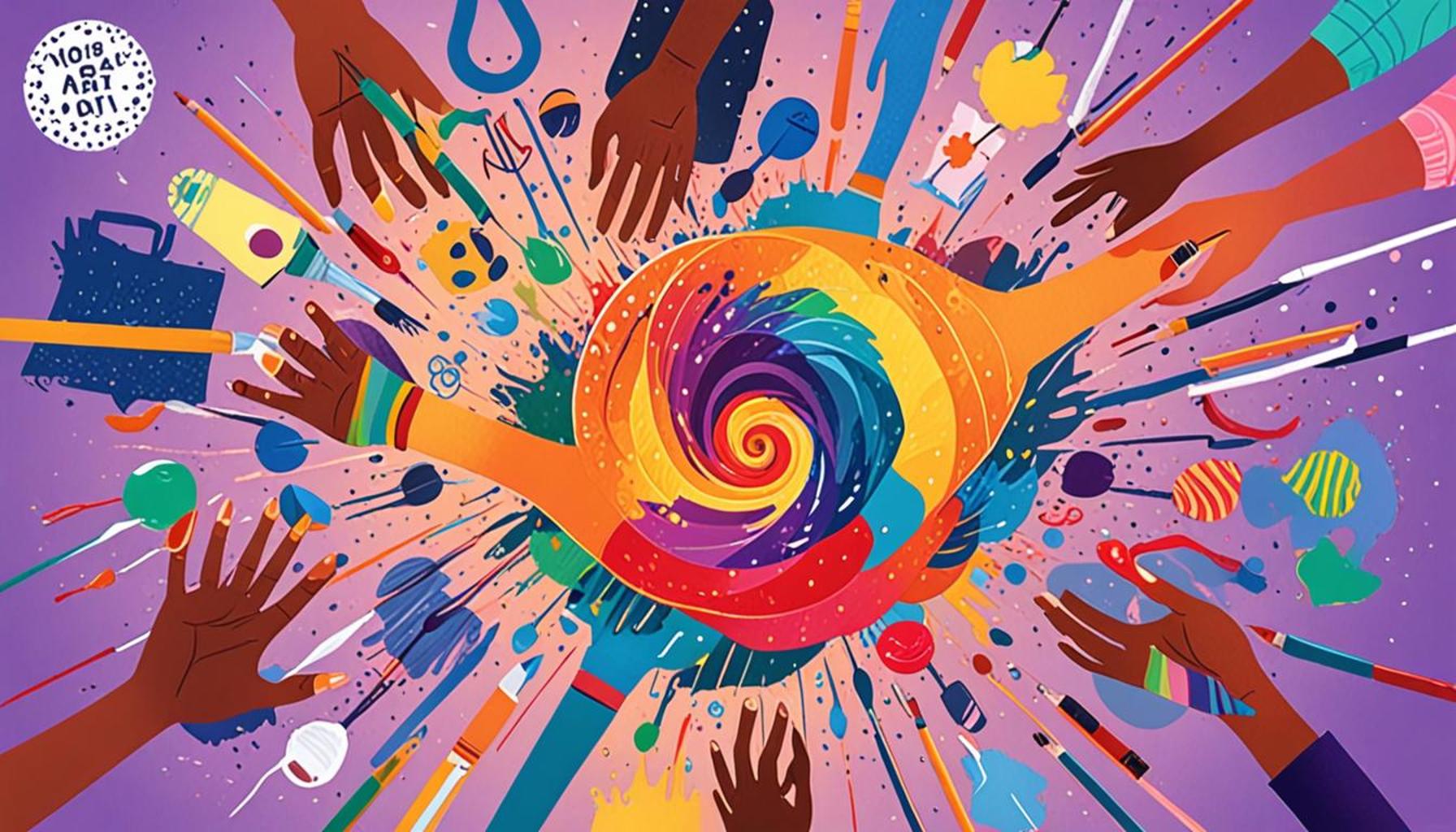
Art has always been a reflection of society, showcasing the beautiful tapestry of human experience. With the rise of inclusive art initiatives, a spotlight is now shining on projects that actively seek to celebrate Diversity and Accessibility. These initiatives are not merely alternative approaches to creativity but are fundamental transformations that influence how art is created, experienced, and discussed.
One of the prominent features of inclusive art initiatives is their focus on Community Engagement. Many of these projects actively involve local artists and residents, ensuring that diverse voices are not just heard but prioritized in the creative process. For example, community murals often incorporate stories and imagery that resonate with local cultures and histories, inviting passersby to experience their narratives in a visual format. In Chicago, the Community Art Program has fostered collaborative mural projects where residents contribute their ideas, creating art that truly reflects the spirit of the neighborhood.
Another essential element is the implementation of Accessibility Features. These projects thoughtfully incorporate elements that accommodate various abilities. Events are conducted in sensory-friendly environments designed to benefit individuals with sensory sensitivities, while venues ensure that wheelchair access is available. For instance, the Museum of Modern Art in New York has introduced tactile tours and audio guides for visually impaired visitors, enhancing their experience and encouraging participation in the artistic dialogue.
Educational Outreach is another critical aspect of these initiatives, where workshops and programs are structured to allow underrepresented groups to explore their creativity. These programs not only teach artistic skills but also instill confidence and self-expression, fostering an inclusive artistic community. Initiatives like The Arts Program in Harlem provide art classes to youth, many of whom come from disadvantaged backgrounds, allowing them to find their voice through various artistic mediums.
Across the United States, inclusive art initiatives are reshaping cultural spaces. From large-scale murals in urban environments to intimate gallery exhibits in small towns, these projects are breaking down barriers and inviting everyone to partake in the artistic conversation. The influence of artists like Kehinde Wiley, who unapologetically showcases Black culture within the classical art framework, exemplifies how inclusive art is redefining traditional narratives.
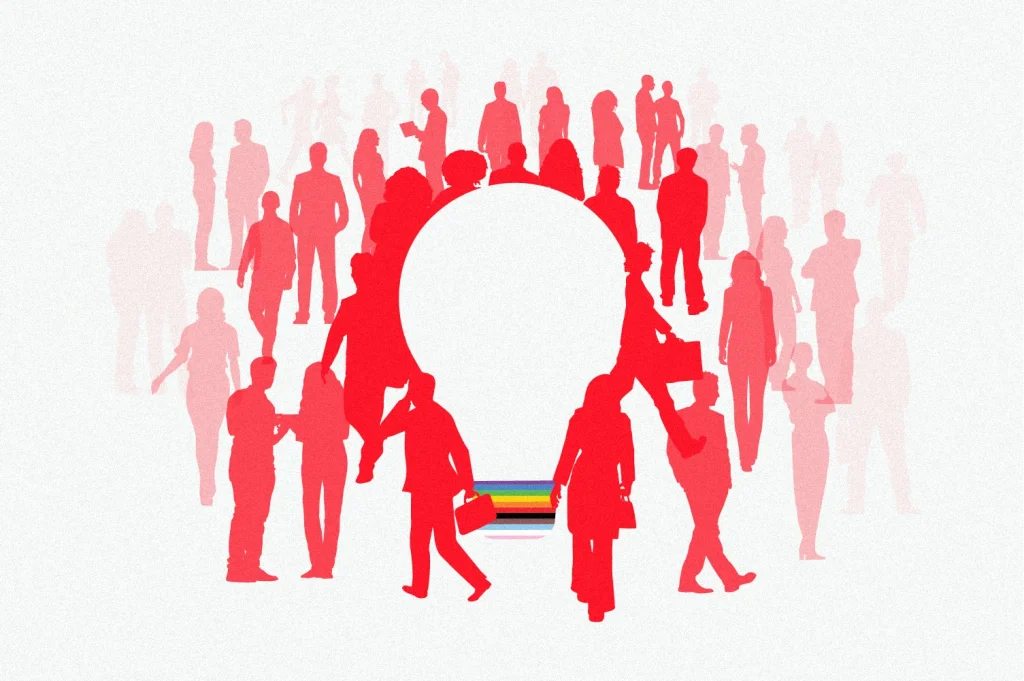
As we delve deeper into the world of inclusive art, it becomes evident that these initiatives strengthen the cultural fabric of society while empowering individuals. By amplifying diverse perspectives and enhancing accessibility, they are not just creating art; they are paving the way for a more inclusive future in the arts. In the words of artist and activist Theaster Gates, “Art is a tool to elevate the conversation,” and by fostering inclusivity, we ensure that conversations include all voices, enriching the artistic landscape for everyone.
DISCOVER MORE: Click here for insights on music education’s impact
Community-Centric Approaches in Inclusive Art
At the heart of many inclusive art initiatives lies a commitment to weaving the diverse threads of community experiences into the fabric of artistic expression. These projects are not only about showcasing art but about building a platform where all members of the community can contribute their perspectives. By focusing on community-centric approaches, artists and organizers are reshaping our perceptions of creativity and collaboration.
For instance, the Public Art Project in San Francisco exemplifies community engagement through its collaborative installations. Locals are invited to submit their ideas, which are then transformed into large-scale public artworks. This not only provides a sense of ownership among participants but also reflects the unique heritage and challenges faced by diverse communities in the city. These projects serve as visual narratives that tell the stories of those who live and work in the area, fostering pride and a sense of belonging.
Accessible Art Spaces: Redefining Interaction
Accessibility is paramount in engaging with a wider audience. Initiatives that prioritize accessibility features create art spaces that welcome everyone, including individuals with physical and cognitive disabilities. Artists and institutions are increasingly recognizing that their environments must be as inclusive as their content. Here are some notable examples:
- Adaptive Art Workshops: Programs like those hosted at the Frick Collection in New York provide tailored workshops for individuals with disabilities, allowing participants to interact with art in a way that suits their needs.
- Sensory-Friendly Exhibits: Museums such as the Art Institute of Chicago have developed tours designed specifically for guests with sensory processing issues, featuring dimmed lights and reduced noise levels.
- Audio Description Services: Offering audio tours that describe visual art pieces enhances accessibility for the visually impaired, creating a richer experience for all visitors.
These features are essential not only for compliance with accessibility laws but also for fostering an environment where everyone is encouraged to explore and interact with art. Inclusivity goes beyond physical access; it encompasses sensitivity to diverse experiences and learning styles, which can elevate the way art is appreciated and understood.
A Platform for Underrepresented Voices
Inclusive art initiatives also play a crucial role in amplifying the voices of underrepresented communities. With a mission to challenge the traditional narratives of art, these projects prioritize the stories of marginalized groups—be it through visual arts, performance, or digital media. The National Black Contemporary Art movement is one shining example, giving Black artists a stage to showcase their work while educating the public about their cultural heritage and experiences. Through exhibitions and community dialogues, these initiatives contribute to a broader understanding of identity, resilience, and creativity.
By fostering a landscape where diverse talents can flourish, inclusive art initiatives are not just changing how we view art; they are redefining who gets to tell the stories within it. As these projects gain momentum, the conversation around diversity and accessibility continues to evolve, paving the way for future generations to engage with art in meaningful and transformative ways.
| Category | Aspects |
|---|---|
| Access to Local Artists | Inclusive art initiatives empower local artists from diverse backgrounds by providing platforms for exposure and collaboration, contributing to a richer cultural landscape. |
| Cultural Awareness | These projects promote understanding and appreciation of different cultures, allowing participants to engage deeply with the significance of various artistic expressions. |
Exploring the notions of diversity and accessibility in art, inclusive art initiatives play a crucial role in shaping communities that celebrate differences. By highlighting the talents of underrepresented groups, these projects create an environment where all voices can be heard. For instance, community art programs often feature workshops led by artists with disabilities, ensuring that the creative process is open to everyone regardless of their abilities. Moreover, such initiatives challenge the traditional art scene, inviting new perspectives and expanding audiences. By incorporating art from various cultures, inclusive projects foster collaboration, sparking innovative ideas that reach beyond conventional narratives. As the importance of representation continues to grow, organizations focused on creating inclusive art spaces can drive change and inspire future generations of artists and audiences alike. The discussions surrounding diversity in art are increasingly relevant, as they have the power to transform lives, uplift communities, and encourage meaningful dialogue. Through engaged participation, these initiatives not only enrich the present landscape but also pave the way toward a more inclusive future in the art world.
DISCOVER MORE: Click here to delve into the emotional benefits of journaling
Innovative Technology in Inclusive Art
In the era of rapid technological advancement, inclusive art initiatives are harnessing innovation to bridge gaps in accessibility and engagement. Technology is enabling a new wave of experiences that cater to diverse audiences while providing fresh platforms for artistic expression. By integrating cutting-edge solutions, these initiatives are not only accommodating existing audiences but are also reaching out to new participants and opening doors to rich, interactive experiences.
One noteworthy example is the use of virtual reality (VR) in art education and outreach. Organizations like the Immersive Arts Alliance are utilizing VR to create immersive experiences that allow individuals with mobility challenges to explore art galleries and installations from the comfort of their homes. These virtual tours provide an avenue for engagement without the physical barriers that traditional spaces might impose, thus ensuring that art is truly accessible to all.
Another innovative application can be seen in the use of augmented reality (AR) in public art projects. The AR Art Walk initiative in cities like Los Angeles enables users to interact with street art through their smartphones, revealing hidden narratives and artist insights. This technological twist not only enhances the audience’s experience but also encourages participation from those who may not typically engage with art in conventional settings. By making art more relatable and engaging, AR projects invite everyone to become part of the artistic narrative.
Partnerships with Diverse Communities
Inclusive art initiatives often thrive on collaborations with multicultural organizations and advocacy groups, creating opportunities for marginalized communities to create and exhibit their artwork. These partnerships are crucial for elevating voices that have historically been underrepresented in the art world. Programs such as Art for All in Chicago exemplify this approach, where local artists and community activists collaborate on projects that address social justice issues. The artwork produced resonates with local experiences and educates broader audiences about the challenges faced by specific communities.
Additionally, initiatives like the Arts in Education program, backed by the National Endowment for the Arts, forge partnerships between schools and community-based organizations. These collaborations bring art education to students in underserved neighborhoods, offering workshops led by diverse artists. The resultant artworks serve as a testament to the community’s stories, allowing young creators to articulate their experiences and perspectives through diverse media.
Inclusive Festivals and Events
Art festivals are also adapting to be more inclusive, offering programming tailored to accommodate diverse audiences. Events like the Houston Art Car Parade host inclusive activities such as sensory-friendly viewing hours and sign language interpreters to ensure participation for everyone, regardless of ability. These efforts enrich the festival experience, making it possible for individuals of all backgrounds and abilities to engage with the vibrancy of local art culture.
Another fascinating example is the New York International Fringe Festival, which incorporates performances by artists of varying backgrounds and abilities. By featuring works that tackle themes of accessibility and inclusivity, the festival curates a diverse lineup that challenges the status quo and broadens the audience’s understanding of different experiences through the lens of art.
Through these various initiatives, the art world is gradually recognizing and addressing the importance of diversity and accessibility, creating pathways for all individuals to not only participate in but also shape the art narrative. Each project, steeped in collaboration and innovation, contributes to a more inclusive understanding of what art can be in our society today.
DISCOVER MORE: Click here to enhance your crafting skills
Conclusion
As we have explored throughout this article, inclusive art initiatives are redefining the cultural landscape by engaging diverse voices and fostering accessibility within the arts. The innovative use of technology, such as virtual reality and augmented reality, has proven instrumental in breaking down barriers, allowing underrepresented communities to experience and participate in art like never before. These advancements empower individuals by eliminating physical limitations and enhancing their connection to artistic narratives.
Moreover, partnerships with diverse communities are essential in creating rich and meaningful art projects. When local artists collaborate with cultural organizations, the art produced resonates deeply with the community, addressing social justice issues and celebrating shared experiences. Programs such as Art for All and Arts in Education showcase how art can serve not only as a creative outlet but also as a vehicle for communication and understanding among communities.
Inclusivity in art festivals further highlights the commitment to accessibility, ensuring that everyone can partake in the celebration of creativity. By hosting sensory-friendly activities and featuring a lineup of artists representing a range of backgrounds and abilities, events like the Houston Art Car Parade and the New York International Fringe Festival provide a platform for all voices, encouraging a deeper understanding of the varied human experience.
In conclusion, as we continue to advocate for inclusivity in the arts, it becomes clear that these initiatives are not just projects; they are movements that inspire change and foster a richer appreciation of the world around us. By supporting inclusive art initiatives, we collectively participate in a cultural conversation that values diversity and accessibility, ultimately enriching the fabric of society. For those interested in exploring these initiatives further, numerous organizations and events are paving the way for a more inclusive artistic community.