Music and Neuroscience: How Musical Practice Affects the Brain and Behavior
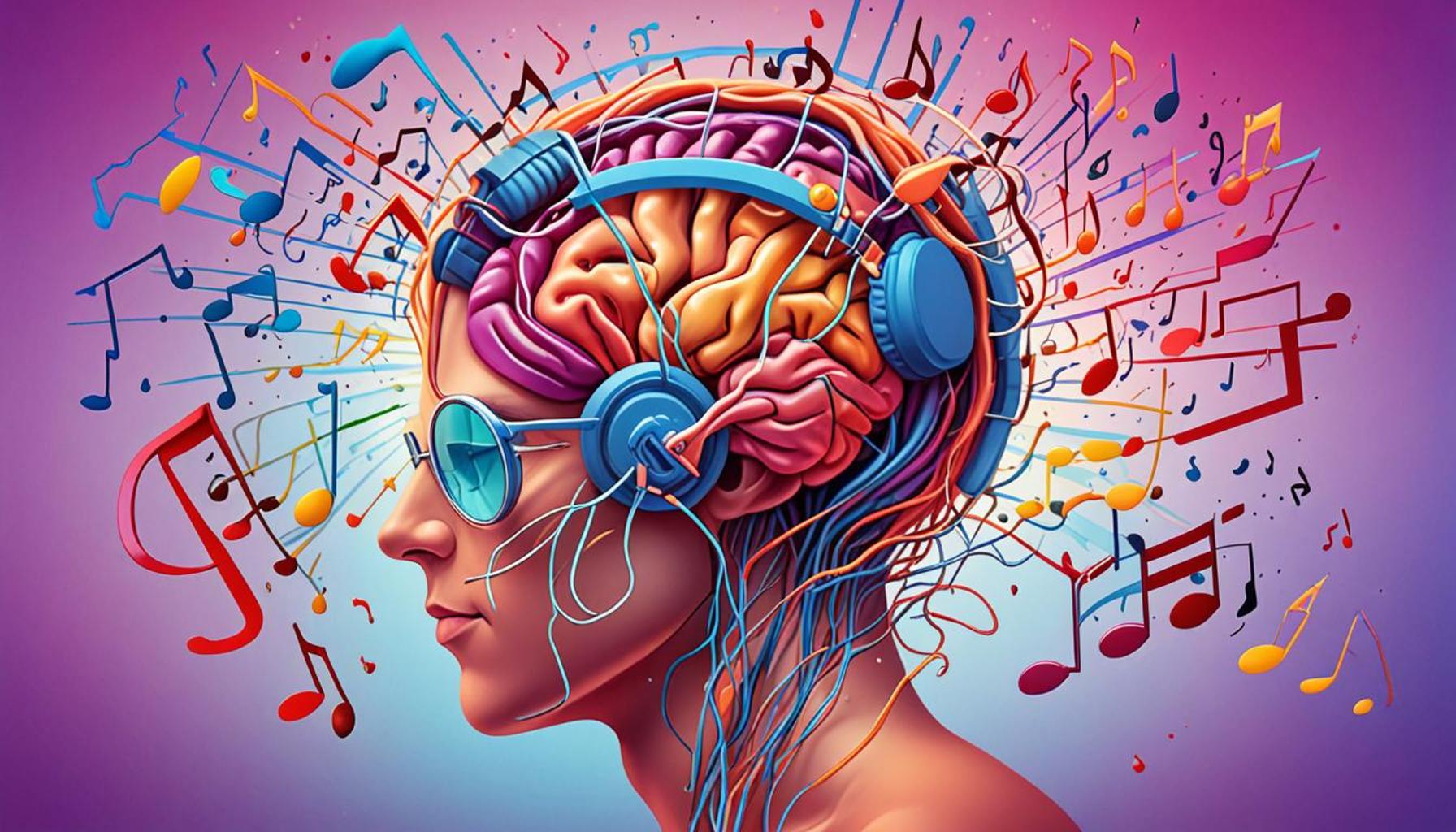
Exploring the Influence of Music on Cognitive and Emotional Processing
Music is not just an art form; it is a powerful tool that can reshape our minds and behaviors. Researchers in neuroscience have begun to explore the profound ways in which musical practice influences brain function. This exploration opens up a fascinating dialogue between the rhythms of music and the inner workings of our minds.
What exactly does musical practice do to our brains? Here are some key areas where music impacts neuroscience:
- Cognitive Development: Engaging with music enhances skills like memory, attention, and problem-solving. For example, studies have shown that children who participate in music education perform better in math and literacy skills. Music’s structured patterns help them grasp complex concepts more easily, linking auditory experiences to cognitive development.
- Emotional Regulation: Playing an instrument can help manage emotions and reduce stress. The act of creating music allows individuals to express feelings that might be difficult to articulate. Furthermore, engaging in musical activities releases dopamine, the “feel-good” neurotransmitter, leading to improved mood and decreasing anxiety.
- Social Skills: Group music-making fosters teamwork and communication, improving social interactions. Participating in ensembles or choirs encourages collaboration and enhances listening skills, as individuals learn to synchronize their efforts with others. This is particularly evident in examples like school bands, which not only create music but build a sense of community.
- Neurological Plasticity: Musical training can rewire brain pathways, enhancing overall cognitive functioning. Research indicates that musicians often show increased gray matter volume in areas responsible for auditory processing and motor control, indicating that sustained musical practice makes lasting changes to the brain’s structure.
Curiously, the effects of music are not limited to musicians alone. Studies show that listening to music can lead to changes in brain chemistry, affecting our mood and mental state. For instance, the calming effects of classical music can slow the heart rate and lower cortisol levels, making it a common tool for stress relief and mindfulness practices. From children to adults, musical exposure offers a unique lens to understand human behavior.
As we delve deeper into this captivating intersection of music and neuroscience, we invite you to discover how these elements come together to shape our emotions, thoughts, and behaviors. The intricate connections between the notes we hear and the neural pathways of our brains reveal a rich tapestry of human experience, encouraging further exploration into how music can transform lives at every stage. Prepare for an insightful journey that unveils the powerful effects of music on our mental and emotional landscapes, making it clear that the melody we create together is more than art—it is a fundamental aspect of our neurological development.
DISCOVER MORE: Click here to dive into baking techniques and recipes

The Cognitive Dimensions of Music Engagement
Understanding how music engages and interacts with our cognitive processes is a pivotal aspect of neuroscience. Musical practice does not merely alter our auditory experiences; it cultivates a range of cognitive skills that extend beyond the musical domain. Researchers have found that regular engagement with music can lead to significant enhancements in several key cognitive functions.
- Memory Enhancement: One of the most remarkable effects of musical training is its positive impact on memory. Musicians often excel in memorizing sequences and patterns, which can translate to improved memory retention in unrelated tasks. Studies suggest that children who engage in music lessons demonstrate superior recall abilities in both academic and everyday contexts, showcasing the cross-disciplinary benefits of musical cognition.
- Language Skills: The relationship between music and language is undeniably profound. Musical training sharpens auditory discrimination and processing abilities, allowing individuals to pick up new languages more easily. Research indicates that musicians can often discern pitch and sound modulation more effectively, allowing for enhanced phonetic awareness and improved reading skills. This auditory training leads to a heightened sensitivity to the nuances of spoken language.
- Attention and Focus: Learning an instrument requires sustained attention, practice, and discipline, all of which cultivate a stronger ability to concentrate. Neuroscience studies suggest that musicians tend to have enhanced selective attention skills, allowing them to focus on a specific task while filtering out distractions. This benefit extends into everyday life, aiding in academic performance and professional environments where multitasking is often necessary.
Moreover, the interplay between music and emotion is a pivotal area of study within neuroscience. The emotional facets of musical engagement can trigger various neurological responses. When individuals listen to or perform music, the brain releases a cascade of neurotransmitters, including dopamine and oxytocin, which are linked to mood regulation and emotional connection. This phenomenon explains why certain pieces of music can evoke powerful emotional reactions, such as joy, nostalgia, or even sadness.
Notably, the brain regions that are activated during musical activities are closely related to those involved in emotional processing. Areas such as the amygdala, responsible for emotion regulation, and the prefrontal cortex, involved in decision-making and social behavior, exhibit heightened activity in musicians. Such findings suggest that musical practice may serve as a powerful tool for enhancing emotional intelligence, enabling better emotional regulation and interpersonal interactions.
As we continue to examine the cognitive benefits of music, it becomes evident that the effects of musical practice extend far beyond mere entertainment. The integration of music into educational curricula and everyday life can foster skills that are essential for not just personal enrichment, but also for broader societal growth and understanding.
Unveiling the Cognitive Benefits of Musical Training
The relationship between music and neuroscience reveals fascinating insights into how musical practice fundamentally reshapes the brain and influences behavior. Engaging in musical activities is not merely an artistic endeavor; it serves as a potent cognitive training ground, enhancing a variety of mental functions.One of the most compelling discoveries is that learning to play an instrument can significantly improve memory and attention span. Musicians often display superior performance in tasks that require executive functions, such as problem-solving, decision-making, and multitasking. This is largely attributed to the brain’s ability to create and strengthen neural connections in response to musical training. As noted in several studies, musicians tend to have larger brain areas associated with sensory processing, motor control, and auditory perception. For instance, the corpus callosum, which connects the brain’s two hemispheres, tends to be thicker in musicians, facilitating enhanced communication between the left and right sides.Moreover, musical practice has been linked to improving emotional regulation and social skills. Musicians frequently must interpret and convey emotions through their performances, fostering empathy and emotional intelligence. This experience translates into better interpersonal relationships and improved communication skills. Research indicates that engaging with music also amplifies one’s ability to recognize emotional cues in others, making it an invaluable tool for social interaction.The healing potential of music is another area where neuroscience intersects with behavioral changes. Music therapy has emerged as a highly effective approach for individuals with neurological disorders, such as Parkinson’s and Alzheimer’s disease. By stimulating areas of the brain associated with memory and emotional response, music serves as a means to enhance cognitive function and improve quality of life for these patients.
The Role of Music in Neuroplasticity
Understanding the role of neuroplasticity is crucial when discussing how musical practice affects the brain. Neuroplasticity refers to the brain’s remarkable ability to reorganize itself by forming new neural connections throughout life. Engaging in consistent musical training prompts the brain to adapt, resulting in long-term structural changes. These adaptations are not only noticeable in musicians but also in those who engage in music-related activities, such as listening or dancing.As individuals age, maintaining cognitive function becomes increasingly vital. Studies suggest that those who engage in musical practice or even regular music listening experience a delay in cognitive decline compared to their non-musical peers. This highlights the protective factors music offers against age-related cognitive deterioration.In summary, the interplay between music and neuroscience opens a treasure trove of benefits that stretch beyond mere enjoyment. From enhancing cognitive abilities and emotional insight to fortifying the brain against aging, the compelling evidence reinforces the idea that musical practice is a transformative experience with profound implications for brain and behavior. As we delve deeper into this captivating field, the exploration of music’s influence continues to reveal the rich tapestry of its significance within human experience.
DIVE DEEPER: Click here to discover the effects of music education
Musical Training and Neuroplasticity
One of the most fascinating findings in the intersection of music and neuroscience is the concept of neuroplasticity. This refers to the brain’s ability to reorganize itself by forming new neural connections throughout life. Engaging in musical practice has been shown to stimulate these changes, highlighting how the brain not only adapts but thrives through musical exposure.
Research indicates that musicians exhibit greater cortical thickness in specific regions of the brain. For instance, the area responsible for auditory processing—the auditory cortex—shows enhanced development in individuals who regularly play an instrument. This structural change underpins the auditory skills that musicians master, such as the ability to detect subtle differences in pitch and timbre.
Moreover, longitudinal studies have evidenced that musical training can foster enduring cognitive benefits. For example, a study tracking the cognitive development of children over several years found that those engaged in music lessons scored higher in tests measuring executive function, spatial reasoning, and problem-solving capabilities. This suggests that the cognitive advantages borne from musical practice are not merely fleeting, but can have lasting impacts throughout an individual’s life.
The Role of Rhythm in Cognitive Development
Another intriguing aspect of how music interacts with the brain is the role of rhythm. The ability to understand and replicate rhythm is crucial not just in music, but also in language acquisition and social interaction. Studies have shown that a well-developed sense of rhythm can lead to improved language skills, particularly in young children, who often struggle with phonemic awareness.
Neuroscientific research utilizing functional magnetic resonance imaging (fMRI) has demonstrated that engaging with rhythmic patterns activates areas of the brain associated with timing and movement coordination. This suggests a deeper relationship between music and our neurological systems responsible for processing time and rhythm, ultimately enhancing motor skills and coordination.
This connection extends into adulthood as well. Many programs aimed at therapy for motor skills recovery, such as those for stroke patients, incorporate rhythmic music to facilitate movement. This method utilizes the brain’s natural affinity for rhythm to retrain motor functions, showcasing the therapeutic potential of musical engagement.
Music and Behavioral Outcomes
The implications of musical practice extend beyond cognitive enhancement to influence behavioral outcomes. Musicians often report higher levels of empathy, social skills, and cultural awareness. These traits can be attributed to the collaborative nature of music-making, whether in orchestras, bands, or even casual jam sessions. The social interactions fostered through music create an environment rich in communication and teamwork, yielding benefits in interpersonal relations.
Additionally, engaging with music has been shown to be a powerful tool for emotional regulation and psychological resilience. Studies involving individuals with anxiety and depression have revealed that music therapy can significantly reduce symptoms and improve overall well-being. The correlation between musical engagement and positive behavioral changes indicates that music serves as a therapeutic modality, enhancing coping strategies and emotional processing.
In summary, the intricate relationship between music and neuroscience highlights the transformative power of musical practice. As researchers continue to unravel the complexities of this bond, it becomes increasingly clear that integrating music into daily life can yield profound cognitive, emotional, and social benefits.
DISCOVER MORE: Click here to learn about the power of collaboration in art
Conclusion: Embracing the Harmony of Music and the Mind
The profound connection between music and neuroscience is becoming increasingly clear, unveiling how musical practice profoundly affects both the brain and behavior. The phenomenon of neuroplasticity not only allows the brain to develop structural changes in response to musical training but also highlights the plastic nature of our cognitive and emotional capacities. As research continues to flourish, we see that engaging with music enriches our auditory skills and enhances memory, executive functions, and problem-solving abilities, leading to lasting cognitive advantages.
The critical role of rhythm in both music and language acquisition underscores the interconnectedness of these domains, suggesting that early exposure to musical elements can bolster children’s literacy and social skills. Furthermore, the therapeutic applications of music emphasize its ability to facilitate recovery from motor skill impairments and promote emotional well-being, particularly for those grappling with mental health challenges.
In essence, musical practice is not merely a hobby or art form but a vital aspect of human development and emotional regulation. As we delve deeper into the intricate pathways linking music and the brain, we discover that unwinding with a melody or mastering an instrument can offer transformative benefits, leading to improved social interactions and enhanced empathy. This understanding beckons us to embrace music in our lives—not only as a source of entertainment but as a powerful tool for mental growth and emotional healing.
With the expanding research in music and neuroscience, the doors to new therapeutic interventions and educational approaches continue to open. The question remains: how will we harness this knowledge to foster healthier, more resilient individuals through the universal language of music?