Rituals of Letting Go: Weekly Practices to Keep Your Home Clutter-Free
Embracing a Clutter-Free Lifestyle
Letting go of clutter can transform your living space into a sanctuary. In our fast-paced lives, it’s easy to accumulate items that no longer serve us or spark joy. This accumulation can create an environment that feels overwhelming rather than inviting. By adopting weekly rituals to manage your belongings, you can cultivate a more organized and peaceful home, which ultimately enhances your overall quality of life.
The Impact of Clutter
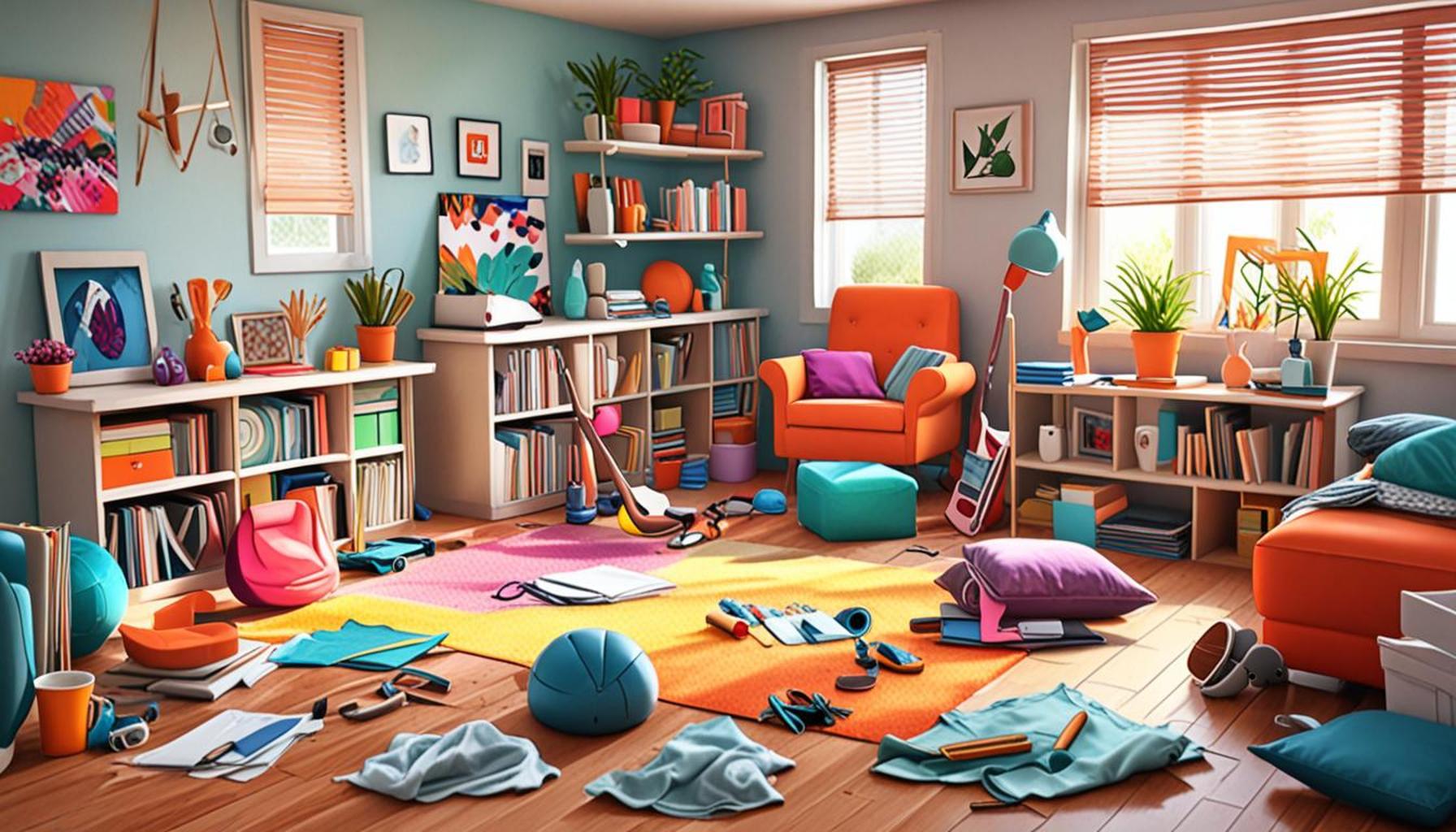
Clutter isn’t just a physical issue; it also affects our mental well-being in profound ways. Research indicates that clutter can lead to:
- Increased stress levels due to visual chaos. Studies have shown that individuals in cluttered environments report higher levels of anxiety and stress compared to those in tidy spaces.
- Difficulty focusing on important tasks. Cognitive scientists assert that our brains have a limited capacity for processing visual stimuli, and clutter can overwhelm this capacity, making it hard to concentrate.
- A sense of overwhelm when trying to clean or organize. The sight of disorganization can make the task of decluttering seem insurmountable, leading to procrastination and further accumulation of items.
Weekly Practices to Explore
Implementing small, manageable rituals can clear space and energy in your home, resulting in a more harmonious environment. Consider these practices:
- Declutter Challenge: Choose one specific area of your home to focus on each week, such as a closet, a drawer, or even your kitchen counter. By breaking it down into smaller tasks, you can achieve significant progress without feeling overwhelmed.
- Donation Box: Keep a dedicated box handy for items you no longer need. As you go about your daily routine, take a moment to add items that you no longer use or love. Once the box is full, donate it to a local charity, helping others while lightening your load.
- Digital Declutter: In our technology-driven age, digital clutter can be just as, if not more, detrimental to our peace of mind. Spend time organizing your digital files, deleting unnecessary emails, and unsubscribing from newsletters that no longer serve you.
With consistent effort, these rituals can foster a sustainable clutter-free lifestyle. By committing to regular decluttering practices, not only do you free up physical space, but you also create mental clarity. Embracing this journey of intentional letting go can lead to a profound elevation in your quality of life, creating a sanctuary in your home where you can truly unwind and thrive.
DISCOVER: Click here to find out more
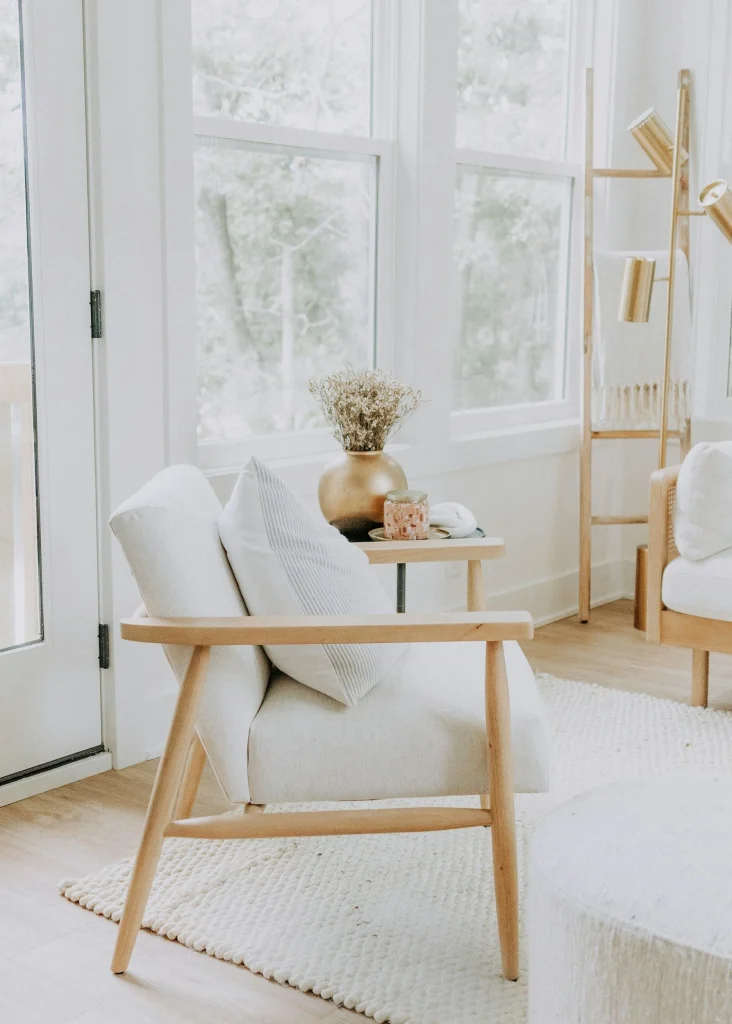
Creating an Atmosphere of Intention
To truly embrace a clutter-free lifestyle, it’s essential to create an atmosphere of intention in your home. This doesn’t require an exhaustive overhaul; instead, focus on establishing regular practices that keep your space serene and functional. The goal is to make decluttering a part of your weekly routine rather than a daunting chore reserved for spring cleaning. By doing so, you can avoid the inevitable pile-up of items that can transform your sanctuary into a chaotic arena.
The Power of Consistency
Just like any habit, consistency is key in maintaining a clutter-free environment. A study published in the journal Psychological Science suggests that habitual behavior can help reinforce a lifestyle change. With clutter, this means actively engaging in the process of letting go on a weekly basis. Here are some rituals that can help establish this consistent behavior:
- Weekly Reset: Dedicate a specific time each week to perform a reset in your home. Choose a day, such as Sunday, when you can take stock of your surroundings and make necessary adjustments. This could involve tidying spaces, reorganizing, or lightly cleaning areas that may have accumulated items during the week.
- The One In, One Out Rule: Adopt the philosophy that for every new item you bring into your home, one must go out. This could apply to clothing, kitchen gadgets, or decorative items. This practice not only helps limit future clutter but also encourages mindful purchasing habits.
- Mindful Reflection: Take time each week to reflect on the items you cherish and those that have lost their value. Journaling about your clutter can be a therapeutic way to track your emotional connection to your belongings. Consider what each item represents to you and whether it still holds significance or joy in your life.
Engaging in these practices encourages an ongoing dialogue with your possessions. This introspection aligns with the principles of minimalism, urging you to focus on what adds actual value to your life rather than what simply takes up space. Moving through your week with this intention can uplift your mood, as it invites abundance in the form of clarity and peace.
A Clarifying Approach
Each of these weekly rituals can help you develop an understanding of your habits and your relationship with your belongings. The act of letting go is not merely about discarding materials; it’s about fostering a mindset that prioritizes quality over quantity. By designing your week around these simple practices, you’re not just decluttering your home—you’re also creating a mental blueprint for a more intentional, clutter-free existence.
As you cultivate these rituals, remember that change doesn’t happen overnight. Rather, it develops through conscious choices made week by week, allowing you to reclaim your space and your peace.
Understanding the Rituals of Letting Go
The concept of “Rituals of Letting Go” revolves around the idea of intentional decluttering—making space physically and emotionally. These weekly practices are designed not only to maintain a clutter-free home but also to foster a serene environment conducive to well-being. By incorporating small rituals into your weekly routine, you can develop lasting habits that promote a harmonious living space.
The Importance of Decluttering
As we accumulate items over time, our spaces can become overwhelmed, leading to stress and anxiety. Regularly engaging in the rituals of letting go helps to combat this effect. Each week’s practice can target different areas or types of belongings, offering structure and focus to the task. When you declutter intentionally, you can choose what truly adds value to your life and what simply occupies space, creating a more meaningful environment.
| Category | Description |
|---|---|
| Physical Clutter Management | Systematic removal of unnecessary items to free up space. |
| Emotional Well-Being | Creates a stress-free environment conducive to relaxation and mental clarity. |
These rituals not only result in a tidy home but significantly improve one’s mental state. The act of letting go can be liberating, allowing individuals to break free from past attachments and embrace a more fulfilling present. With the right mindset and practices, anyone can experience the transformative effects of a clutter-free home. Understanding your relationship with your belongings can illuminate pathways to mindfulness and intentional living. This journey often unveils deeper insights into what we value most, ultimately enriching our everyday lives.
DIVE DEEPER: Click here to discover the power of saying no
Creating Joyful Farewells
Another essential component of maintaining a clutter-free home is transforming the process of letting go into a celebration rather than a chore. Each item holds a story, and by acknowledging these narratives, you can foster gratitude while parting with items that no longer serve you. Here are ways to make your decluttering rituals more engaging:
Emotional Acknowledgement
When you decide to let go of an item, carve out a moment to acknowledge its presence in your life. This could involve sharing a memory associated with the item, expressing gratitude for the role it played, and gently saying farewell. This ritual fosters a more profound emotional connection, making it easier to detach from what you no longer need. You might be surprised at how liberating this can feel, allowing space for new memories and belongings to take their place.
Creative Disposition
Consider innovative ways to repurpose or recycle items instead of simply discarding them. For example, you could create art from old clothing or furniture, transforming it into something beautiful or meaningful. There are also countless types of donation programs in the United States, such as Goodwill or Habitat for Humanity, which redistributes your items to those in need. This not only clears your space but also provides you with the satisfaction of knowing your possessions are helping others.
- Donating with Purpose: Research local charities that align with your values. For instance, if you’re passionate about education, donating children’s books or school supplies can create a joyful purpose in your decluttering process.
- Holding a Swap Party: Invite friends over for a swap meet, where everyone brings items they want to let go. This allows the opportunity to refresh your possessions without acquiring new items unnecessarily, all while fostering social connections.
- Upcycling Projects: Engage in projects where the possibilities are endless. Old glass jars can become beautiful plant vases, or worn-out linens can be transformed into quilted throws. Each project not only reduces clutter but also encourages creativity.
Integrating Mindfulness Practices
To further enhance your letting-go rituals, consider incorporating mindfulness into the process. Techniques such as meditation or yoga can help cultivate a sense of presence, making it easier to dispose of items that no longer resonate with your current lifestyle. Setting a calming atmosphere while decluttering—such as lighting candles, playing soft music, or practicing deep breathing—can elevate the experience and help ease any emotional resistance you may face.
Moreover, research suggests that mindfulness can enhance decision-making by promoting clarity and reducing anxiety. Utilize your decluttering time as a moment of contemplation, where you can not only assess your possessions but also engage with your emotions about the space you inhabit.
With each ritual of letting go, you’re not simply removing items; you’re inviting perspective and freshness into your home. By consistently practicing emotional acknowledgment, creative disposition, and integrating mindfulness, you can foster a nourishing cycle that promotes well-being and a harmonious living environment.
DIVE DEEPER: Click here to discover how nature transforms spaces
Embracing a Clutter-Free Life
In conclusion, the rituals of letting go are more than just practical chores; they are essential practices that enrich our lives and enhance the spaces we inhabit. By incorporating emotional acknowledgment, creative disposition, and mindfulness into our weekly routines, we can cultivate a deeper connection with our belongings and foster an atmosphere of intentionality and joy in our homes. As we learn to say goodbye to items that no longer serve us, we simultaneously make room for new experiences and opportunities.
The journey towards a clutter-free lifestyle is not merely about physical decluttering; it encompasses emotional freedom and personal growth. Whether you choose to engage in gratitude rituals when parting with items, reimagine old possessions through upcycling, or donate with the intention of helping others, each step taken contributes to a more harmonious home environment. Furthermore, integrating mindfulness can transform these practices into meditative experiences that promote clarity and reduce stress.
As you embark on your own weekly decluttering practices, remember that every small action has the power to create a significant impact. Embrace the joy of letting go, celebrate the stories of your items, and curtail the clutter to unveil a refreshed living space that reflects your values and aspirations. By adopting these rituals, you are not only preserving your physical space but also nurturing your emotional well-being and mindful existence. Continue this journey and explore new methods, allowing each letting-go ritual to enhance your relationship with your home and enrich your life.