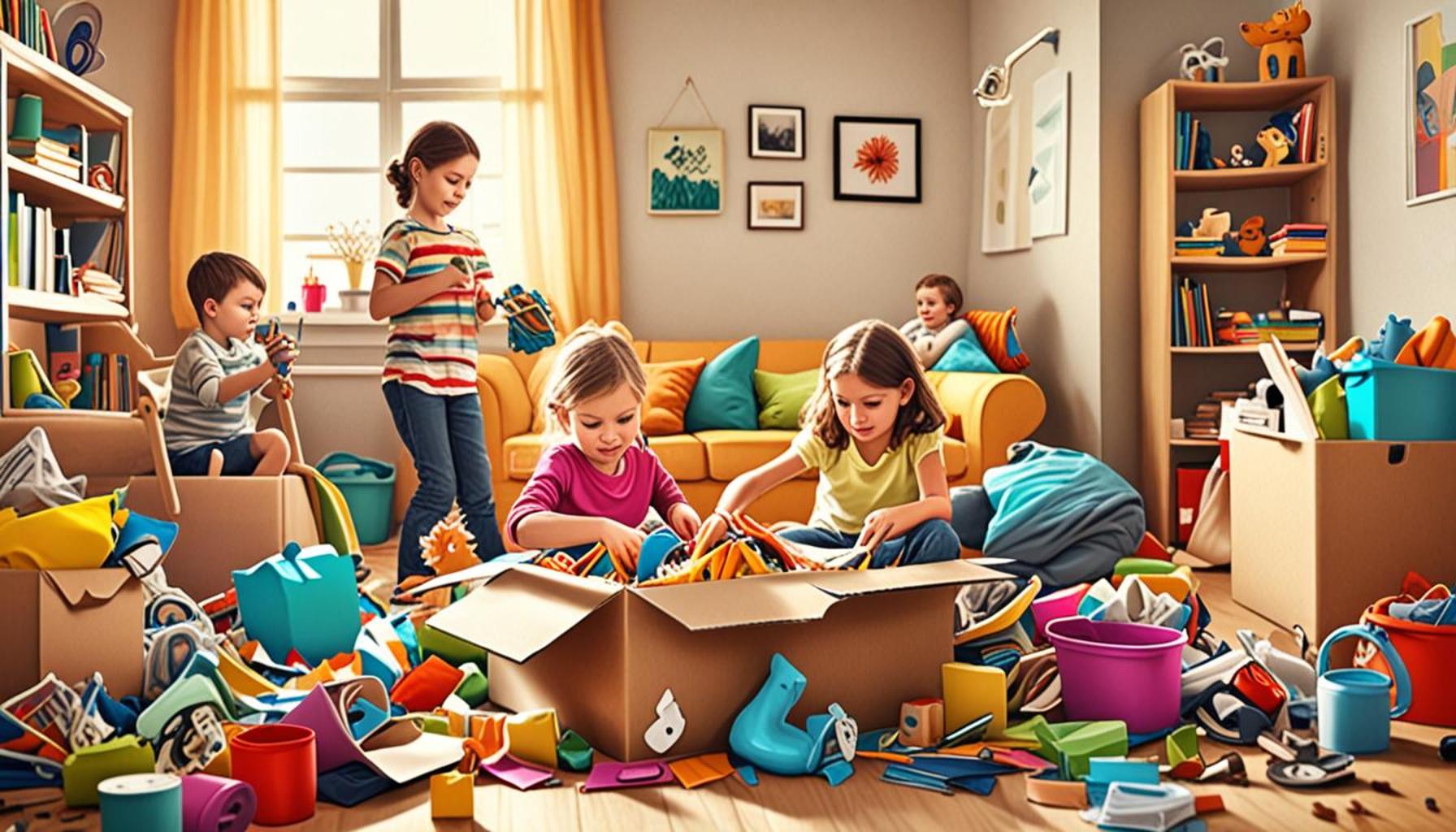
Stories of Transformation: How Decluttering Changed the Lives of Ordinary People

The Transformative Effects of Decluttering on Individuals’ Lives
Decluttering isn’t just about tossing out unwanted items; it represents a deeply transformative journey that can reshape not only our environments but also our minds and lives. Numerous studies have revealed that physical clutter can lead to increased stress and anxiety, impacting our ability to focus. On the contrary, an organized space often fosters a sense of control and peace, facilitating better mental clarity. This connection between our physical spaces and our psychological well-being is at the heart of many personal decluttering stories.
Take, for instance, a young professional in a fast-paced urban environment. Faced with towering stacks of paperwork and a disorganized office, this individual struggled to concentrate on important tasks. After embarking on a decluttering mission, they found a clear, serene workspace awaiting them. As they sorted through their belongings, they not only removed distractions but also gained a renewed sense of purpose. The result? Enhanced productivity and a remarkable increase in job satisfaction, as they could finally channel their energy into meaningful work rather than being bogged down by chaos.
Similarly, consider the story of a single mother juggling the demands of parenting and work. In her quest for balance, she began to purge excess items from her home, from outdated toys to unworn clothes. Each item she let go of symbolized a step towards reclaiming her life and fostering a nurturing space for her children. The decluttering process allowed her to create a calming atmosphere, which became a sanctuary for family bonding rather than a source of stress. Her experience highlights how a simplified environment can foster resilience and empowerment, providing her and her children with a sense of stability.
Moreover, there’s the experience of a retiree who decided that the time had come to simplify after years of accumulation. Transitioning into retirement can be overwhelming, but by decluttering their living space, this retiree found a renewed zest for life. They transformed their home from a repository of memories into a minimalist haven, embracing the joys of simplicity. By letting go of items that no longer served a purpose, they could refocus their energy on meaningful activities, like pursuing hobbies and connecting with loved ones. This shift not only improved their home environment but also contributed to enhanced overall happiness and well-being.
These narratives illustrate that decluttering transcends the act of organizing physical spaces; it is a powerful catalyst for self-discovery, mental clarity, and personal growth. In a consumer-driven culture that often glorifies accumulation, the decision to simplify one’s life becomes an act of rebellion against societal norms. As we delve deeper into these stories, we will explore the emotional and practical implications of decluttering, shedding light on the diverse ways individuals reclaim not just their environments, but also their lives. Join us as we uncover inspiring experiences that showcase how the journey of letting go leads to newfound freedom and purpose in an increasingly cluttered world.
DISCOVER MORE: Click here to uncover the psychological benefits of minimalist living
Real-Life Decluttering Journeys: A Dive into Transformation
As we unpack the profound impact of decluttering, it’s essential to understand that the benefits stretch far beyond the physical act of clearing out spaces. Each story of transformation reveals a personal journey marked by emotional growth, renewed focus, and strikingly enhanced well-being. Individuals across the United States have found that letting go of material possessions translates into emotional liberation and life reawakening.
A college student swamped by the pressures of academics and extracurricular activities epitomizes the struggle many face today. Living in a cramped dorm room cluttered with textbooks, clothes, and essential yet non-essential knick-knacks, stress and anxiety quickly became part of daily life. After a heart-to-heart talk with a mentor, they began to identify what truly mattered, leading to a massive decluttering effort. By donating unwanted items to local charities and reducing their belongings to just the essentials, this individual found more time and energy for studying and social engagements. Not only did they improve their living space, but they also fostered a greater sense of community and purpose.
Another inspiring narrative is that of a working couple whose home had become a storage unit rather than a place of refuge. Frustrated by their disorganized lifestyle, they took the bold step to undergo a weekend decluttering marathon. This process involved sorting their possessions into categories: keep, donate, and discard. They tackled their garage, closets, and even the kitchen, fighting against the allure of accumulating more. Ultimately, they created a more spacious, soothing home environment that fostered better communication and quality time together. The physical manifestations of clutter had hindered their relationship, but through transformation, they reignited their connection and rekindled their love for one another.
At the heart of these stories lies a common thread: a growing awareness of the emotional burden associated with clutter. Decluttering is more than just a cleanup; it serves as a form of self-care that can bring about profound changes in mindset and lifestyle. There are several key transformations that many individuals experience during this process, including:
- Enhanced Focus: With less distraction in physical spaces, individuals can concentrate better on tasks that truly matter.
- Reduced Anxiety: Removing physical clutter can decrease the overwhelm people often feel in chaotic environments.
- Improved Relationships: Clear spaces often lead to clearer communication and stronger bonds among family members and friends.
- Heightened Creativity: A decluttered environment opens mental pathways, allowing for improved creative thinking and problem-solving.
Each of these transformations adds layers to the narrative of decluttering. As we continue to explore the personal stories of those who have taken this significant step, we will uncover more about how simplification leads to empowerment and fulfillment. The act of decluttering is not just about the aesthetic; it is a conscious choice to embrace a lifestyle that prioritizes what is truly important.
| Benefits of Decluttering | Real-Life Transformations |
|---|---|
| Enhanced Mental Clarity | Many individuals report a marked decrease in anxiety and an increase in focus after decluttering their living spaces. |
| Boosted Productivity | Decluttered environments can lead to improved organizational skills and greater efficiency in daily tasks. |
| Increased Happiness | People often find joy in simplifying their lives and creating spaces that reflect their values. |
| Stronger Relationships | Decluttering allows for more meaningful interactions as family and friends can better connect in inviting environments. |
The journey of decluttering is not just about getting rid of excess items; it often serves as a catalyst for personal growth and enhanced well-being. For instance, as people reduce their physical clutter, many report rediscovering forgotten passions and interests tucked away under layers of belongings. This process can ignite a renewed sense of purpose, encouraging individuals to pursue hobbies they once loved or even explore new avenues of creativity. Moreover, the act of decluttering has been shown to impact the relationships within households. Families that engage in this process together often share deeper conversations, fostering a stronger sense of unity as they collectively make decisions about what items hold value in their lives. This shared experience can transform not only the home environment but also strengthen familial bonds. As these stories of transformation continue to emerge, they highlight the profound ways decluttering touches the very fabric of our lives, prompting people to prioritize what matters most.
DISCOVER MORE: Click here to learn how biophilic design can transform your space
The Ripple Effect: How Decluttering Transcends the Physical Space
While the personal stories surrounding decluttering are poignantly unique, the effects resonate universally. The journey often extends beyond an individual, impacting friends, family, and even communities. When people embrace the simplicity of minimalism, the cascading effects of their transformations often inspire those around them to rethink their own relationship with possessions. For instance, a single mother living in a bustling city realized that her chaotic apartment negatively affected her ability to bond with her daughter. After enrolling in a decluttering workshop, she committed to a month-long process of evaluating every item in her home. The result? A serene living space that allowed for quality family time and a deeper relationship with her child. This shift inspired her friends, many of whom began their own decluttering journeys, creating a communal effect that fostered an entire social network focused on living more simply and intentionally.
The journey of decluttering also often leads individuals down a path of reflection and self-discovery. For instance, a retired veteran found himself grappling with memories tied to a lifetime of collected memorabilia. The clutter was not just physical but filled with emotional weight, symbolizing past experiences that had been both cherished and burdensome. By sorting through these items and selectively letting go of those that no longer served his personal growth, he unearthed a sense of peace and clarity. This emotional decluttering allowed him to focus on establishing new routines and friendships, enhancing his sense of belonging in his community, and leading to improved mental well-being.
Interestingly, decluttering isn’t just a solitary experience but can also be a bonding activity among family members. Families often opt to tackle their clutter collectively, turning a potentially daunting task into valuable quality time. The story of a multigenerational household illuminates this point. Households filled with both children and elderly family members often find that the accumulation of belongings can become overwhelming. This family worked together to categorize items, sharing stories and memories linked to each piece. This process not only brought forth laughter and nostalgia but also created a shared understanding of what was essential to keep and what was holding them back. Through this collaboration, they built stronger connections and garnered respect for each other’s memories and experiences, positively transforming their family dynamics.
The concept of decluttering has also gained momentum as an environmental movement, with many adopting a “less is more” philosophy toward consumption. Americans are increasingly recognizing the importance of sustainability, resulting in a national trend towards conscious living. A local business owner took this to heart. Frustrated by the overwhelming amount of packaging waste from his store, he pivoted to decluttering his inventory and maximizing the use of eco-friendly products. His commitment not only streamlined his business but also resonated with a community eager for sustainable solutions. He found that by leading with a decluttered and sustainable mindset, his brand naturally attracted customers who value simplicity and environmentally-conscious choices.
In every decluttering story, the act of letting go reveals a more profound narrative about humanity’s relationship with materialism. The emotional liberation people feel from decluttering fosters a sense of empowerment that changes lives. As these stories continue to unfold, it becomes clear that the journey towards minimalism is not merely about keeping spaces organized; it’s about reshaping identities and fostering vibrant communities through shared experiences. As decluttering becomes recognized as both a personal and communal journey, more individuals are inspired to embark on their own transformative paths toward a life aligned with their true values and aspirations.
DISCOVER MORE: Click here to learn about effective clutter reduction methods
Discovering the Power of Decluttering
As we reflect on the myriad stories of transformation that emerge from the journey of decluttering, it becomes evident that this process extends far beyond the act of organizing physical spaces. The benefits observed in the experiences of various individuals illustrate how decluttering can lead to profound changes in overall well-being, relationships, and community engagement. From single parents finding deeper connections with their children to veterans shedding emotional weight, the stories reveal a common thread: letting go liberates.
Moreover, as decluttering encourages a shift towards minimalism, it fosters a ripple effect that inspires others to question their own relationships with their belongings. Families are not only clearing out clutter; they are creating shared experiences and memories that bring them closer together. Businesses embracing sustainability through decluttering also show how individuals can affect change on a larger scale, promoting eco-friendly practices that resonate within their communities.
In essence, decluttering serves as a catalyst for a more intentional and fulfilling life. It prompts individuals to reassess what truly matters and encourages a conscious approach to consumption. As this movement gains traction, one encouraging thought remains: with every item released, there lies an opportunity for *renewed purpose*. Whether through personal reflection, social bonding, or environmental stewardship, the transformative stories of those who have embraced decluttering remind us that the journey towards simplicity is not just about empty spaces—it’s about enriching lives and inspiring others to embark on their own paths of transformation.