The Art in Education: Projects that Inspire Creativity in Schools
The Importance of Art in Education
In the current educational framework, where science, technology, engineering, and mathematics (STEM) often dominate discussions, integrating the arts can seem like a less prioritized approach. However, the integration of art across various subjects not only diversifies the learning experience but also significantly enhances students’ engagement and retention of the material. By fostering a creative environment, schools prepare students for an increasingly complex world where such skills are indispensable.
A study by the National Endowment for the Arts revealed that students engaged in arts education consistently outperform their peers in standardized tests, demonstrating that creative activities can bolster academic success in all subject areas. This statistic underlines the importance of incorporating artistic processes into traditional learning environments.
Visual Arts Integration
Programs that combine visual arts with subjects such as math and science have shown impressive results in enhancing comprehension. For instance, the ONSLAUGHT program in New York City integrates painting and sculpture with geometric concepts. Students use artistic techniques to explore shapes and patterns, making abstract ideas more concrete. This approach not only helps in understanding complex concepts but also allows students to express their creativity. Students in these programs develop a stronger grasp of mathematical principles, evidenced by improved test scores within their classrooms.
Theater and Performing Arts
Incorporating theater and performing arts into the curriculum can create a dynamic and immersive educational experience. Schools across the nation, such as the Baltimore School for the Arts, have embraced drama as a core component of their teaching methods. Through role-playing and improvisation, students engage deeply with historical events or literary texts. This method not only enhances their understanding but also cultivates confidence, empathy, and communication skills, essential abilities for future success in any field. Additionally, schools that host theater productions foster collaboration among students, allowing them to work together in various roles, from acting to set design.
Community Art Projects
Community-based art projects further illustrate the profound benefits of arts integration in education. Initiatives like Chicago Arts Partnerships in Education (CAPE) not only bring artists into the classroom but also involve students in creating murals, performances, and installations in their neighborhoods. These projects help students connect with their communities, teaching them the importance of social responsibility and teamwork. By participating in such initiatives, students learn how their creative contributions can positively affect local environments and foster a sense of belonging.
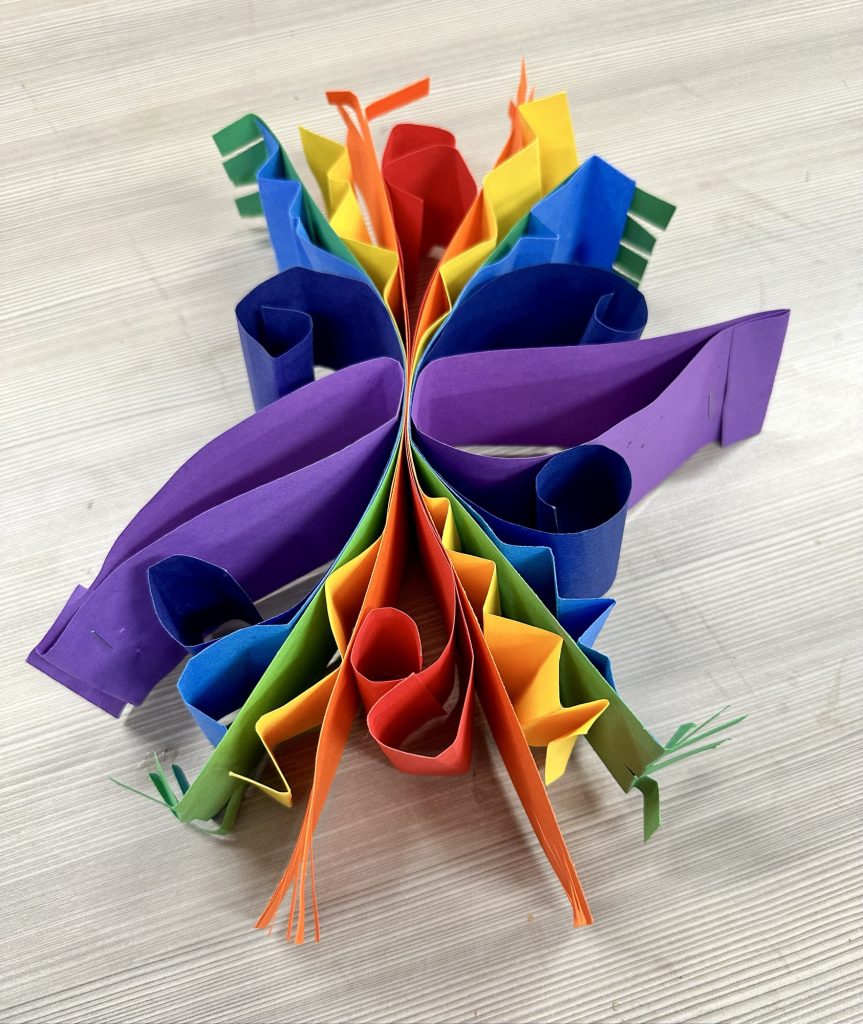
Ultimately, the inclusion of art in education shapes a holistic learning experience, emphasizing the importance of creativity in developing well-rounded individuals. As educational systems across the United States face new challenges, it becomes evident that embracing the arts is not merely beneficial but essential. This incorporation of artistic elements might very well be the pivot needed to equip students for a diverse and rapidly changing world.
As we move into a future where innovation reigns, recognizing the value of art in education could redefine teaching methodologies, creating a more vibrant and interconnected learning environment for students nationwide.
DISCOVER MORE: Click here to learn about innovative art and sustainability projects
Exploring the Diverse Mediums of Art in Schools
Art in education extends beyond the confines of traditional classrooms, empowering students to express their ideas and emotions in various fields. By incorporating different artistic mediums, such as visual arts, music, and dance, schools have the opportunity to cultivate creative talents in their students while reinforcing critical academic skills. This multifaceted approach not only enhances student engagement but also inspires critical thinking and problem-solving abilities, which are crucial in today’s globalized workforce.
The Role of Music Education
Music education stands as a powerful tool in fostering both creativity and cognitive development. Schools that integrate music programs have seen benefits that extend far beyond improving students’ musical talent. For instance, research conducted by the Arts Education Partnership shows that students involved in music often exhibit superior mathematical and language skills. This is largely due to the discipline involved in learning an instrument and understanding musical theory, which directly correlate with mathematical concepts.
- Improved Memory Skills: Learning music enhances memory retention as students practice recalling notes, rhythms, and lyrics.
- Teamwork: Participation in choirs or bands teaches collaboration, as students learn to harmonize and synchronize with one another.
- Emotional Expression: Music provides students with a medium to express their individual thoughts and feelings, promoting emotional intelligence.
Dance as a Form of Expression
Similarly, dance education offers students an innovative avenue to explore their creativity while promoting physical health. Schools that incorporate dance into their curriculum allow students to gain confidence and develop body awareness, essential components of personal development. Projects like the National Dance Education Organization initiative have shown that dance can enhance academic performance, as movement stimulates brain function and processing capabilities. Through choreographed routines, students learn narrative skills, connect with historical context, and express cultural identity, leading to an enriched educational experience.
Digital Art and Technology Integration
In an era of rapid technological advancement, the intersection of digital art and technology offers exciting opportunities for schools to inspire creativity. Digital platforms, such as graphic design software and animation programs, enable students to communicate their ideas in unique ways. For instance, initiatives like the Art & Design Tech App Challenge encourage students to harness software to create both aesthetic and functional projects, blending traditional artistry with modern technology. This combination enhances students’ versatility and prepares them for careers in increasingly digital fields.
As we witness the evolving landscape of education, it’s crucial to recognize the transformative impact of various art forms. By embracing these diverse artistic avenues, schools not only inspire creativity but also cultivate a generation of learners who are equipped with the essential skills needed to navigate complex challenges. The ongoing commitment to integrate art into education is a vital step in promoting holistic development among students, ensuring they are well-prepared to contribute positively to society.
| Advantage Category | Description |
|---|---|
| Enhanced Engagement | Art projects create a dynamic learning environment, capturing students’ attention and inspiring them to actively participate in their education. |
| Development of Critical Skills | Engaging in arts education fosters critical thinking, problem-solving, and collaboration, nurturing skills that are essential for success in the 21st century. |
| Cultural Awareness | Art education encourages students to explore cultural diversity, promoting understanding and empathy towards different perspectives and backgrounds. |
| Personal Expression | Through creative projects, students learn to express their feelings and thoughts, which can lead to increased self-esteem and confidence in their abilities. |
Art in education indeed serves as a powerful means of inspiring creativity among students. Not only do these projects foster a greater sense of engagement, but they also prepare students for the future, equipping them with essential cognitive skills while broadening their cultural horizons. Additional findings suggest that children involved in the arts tend to excel in other academic subjects, as the skills they develop are transferable beyond the canvas or stage. Exploring the role of arts in schools can unveil numerous avenues for enhancing educational practices and enriching student experiences.
DIVE DEEPER: Click here to discover more
Innovative Art Projects that Engage Students
One of the most captivating aspects of incorporating art into education is the diversity of projects that can ignite student creativity. Schools across the United States are developing unique initiatives that not only showcase artistic talent but also foster a collaborative spirit among learners. These projects encourage students to think outside the box while addressing contemporary issues relevant to their communities.
Community Art Collaborations
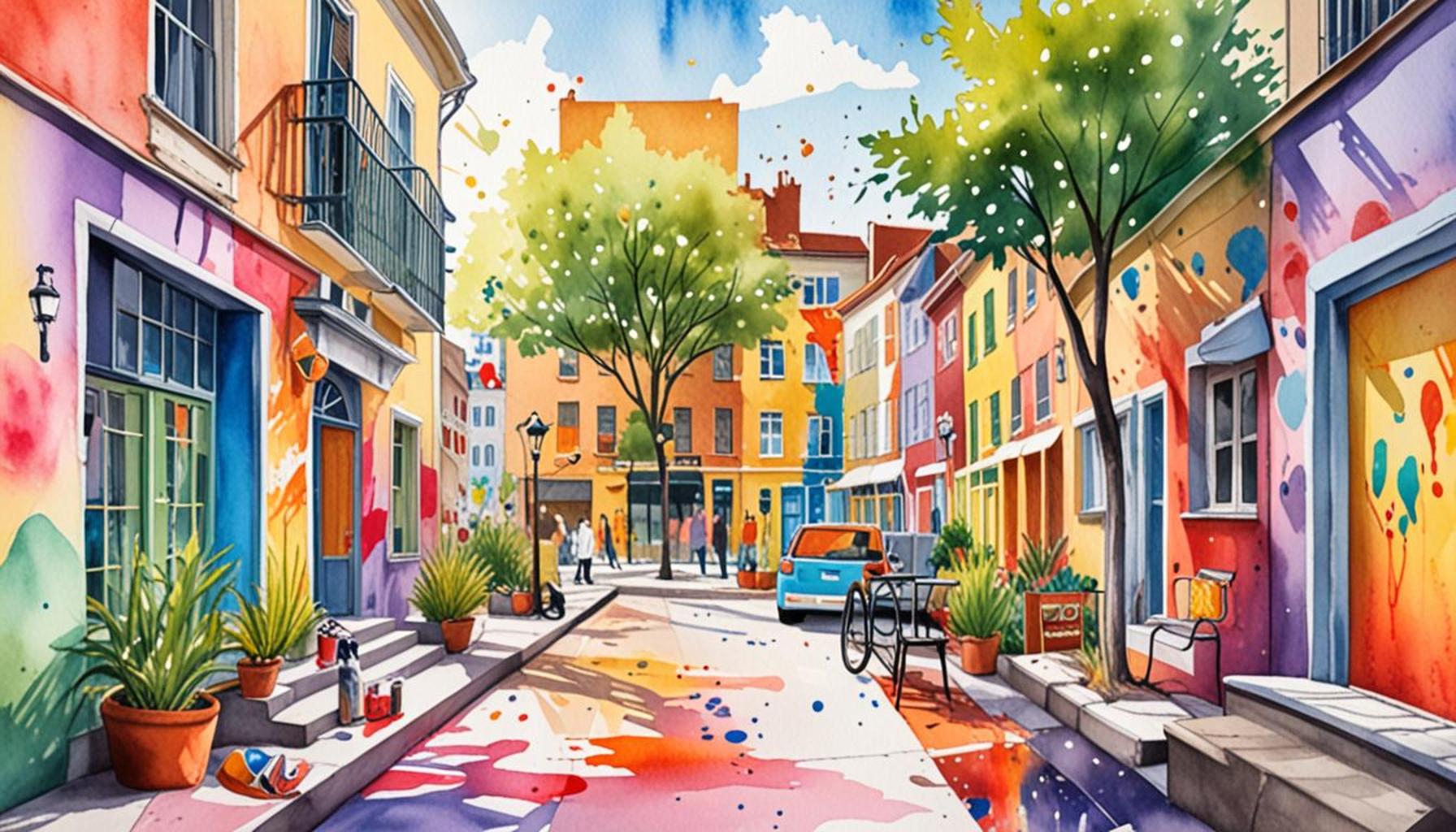
Community art collaborations are emerging as a popular project in many schools, transforming students into active contributors to their neighborhoods. For instance, programs such as Art for the Community in Chicago encourage students to work on public murals, where they can represent their artistic vision and cultural backgrounds. Such projects ignite passion and pride, not just for the work they produce but for the communities they engage with. These collaborations forge meaningful relationships between students, local artists, and residents, fostering a sense of belonging and civic responsibility among young people.
- Skill Development: Students enhance their artistic skills while learning about project planning and execution.
- Cultural Exchange: These projects often invite various community members to contribute ideas, promoting dialogue and diversity.
- Real-World Experience: Students gain practical experience in art, possibly shaping future career paths in fields such as urban planning and community development.
Theater Programs for Self-Expression
Theater programs play a significant role in enriching the arts education landscape. By participating in school theater productions, students develop not just acting skills but also empathy, teamwork, and public speaking abilities. Schools such as the Deerfield Academy in Massachusetts have implemented extensive theater arts curricula, allowing students to explore varied genres—from Shakespeare to modern-day plays—thereby broadening their understanding of different narratives and cultural contexts.
Additionally, programs such as Young Playwrights in New York City help students write and perform their own original works. This platform encourages self-expression and instills confidence, as students realize the power of their voices. Dramatic arts education not only fosters creativity but also equips young people with essential life skills, preparing them for future challenges.
STEAM: Blending Arts with STEM
The integration of art within STEM (Science, Technology, Engineering, Mathematics) to form STEAM is revolutionizing the educational landscape. By combining artistic creativity with scientific inquiry, schools are discovering new ways to engage students’ imaginations. For example, projects centered around robotic art installations allow students to design and program robots that create visual art, marrying creativity with technological innovation. Schools participating in STEAM grant programs, like those from the National Science Foundation, not only promote student creativity but also emphasize critical thinking and interdisciplinary collaboration.
Furthermore, initiatives like the Art & Science Fusion Workshops encourage students to explore how art influences scientific concepts, such as color theory in chemistry or geometry in architectural design. By making cross-curricular connections, students gain a holistic understanding of fundamental concepts while tapping into their creative potential.
These diverse artistic projects have proven incredibly valuable in inspiring students, allowing them to develop essential skills while expressing their creativity. By investing in innovative art education initiatives, schools pave the way for a vibrant future, where creativity and critical thinking become cornerstones of successful learning experiences.
DIVE DEEPER: Click here to discover more
Conclusion: Embracing the Artistic Revolution in Education
The transformative power of art in education is unmistakably evident as we explore various projects that breathe life into the traditional classroom. From community art collaborations to engaging theater programs and the innovative merging of arts with STEM through STEAM, schools across the United States are revolutionizing the way students learn and express themselves. These initiatives not only nurture artistic talent but also promote critical thinking, problem-solving, and collaboration—essential skills for the 21st century.
By fostering an environment that encourages creativity, schools are preparing students to tackle the challenges of tomorrow with confidence and versatility. Programs that connect learners with their communities cultivate a sense of belonging, while theater arts provide students with invaluable opportunities for self-expression and empathy. Furthermore, the incorporation of artistic principles into scientific and technological studies highlights the significance of interdisciplinary approaches in a well-rounded education.
In a world that increasingly values innovation and adaptability, the integration of art into educational curricula is not merely an enhancement but a necessity. As educators and policymakers recognize the profound impact of creativity on student development, they must continue to invest in diverse artistic projects that inspire and empower young minds. The journey does not stop here; it is a call to action for stakeholders to champion the arts in all educational contexts, ensuring that future generations are equipped not only to think critically but to create boldly.