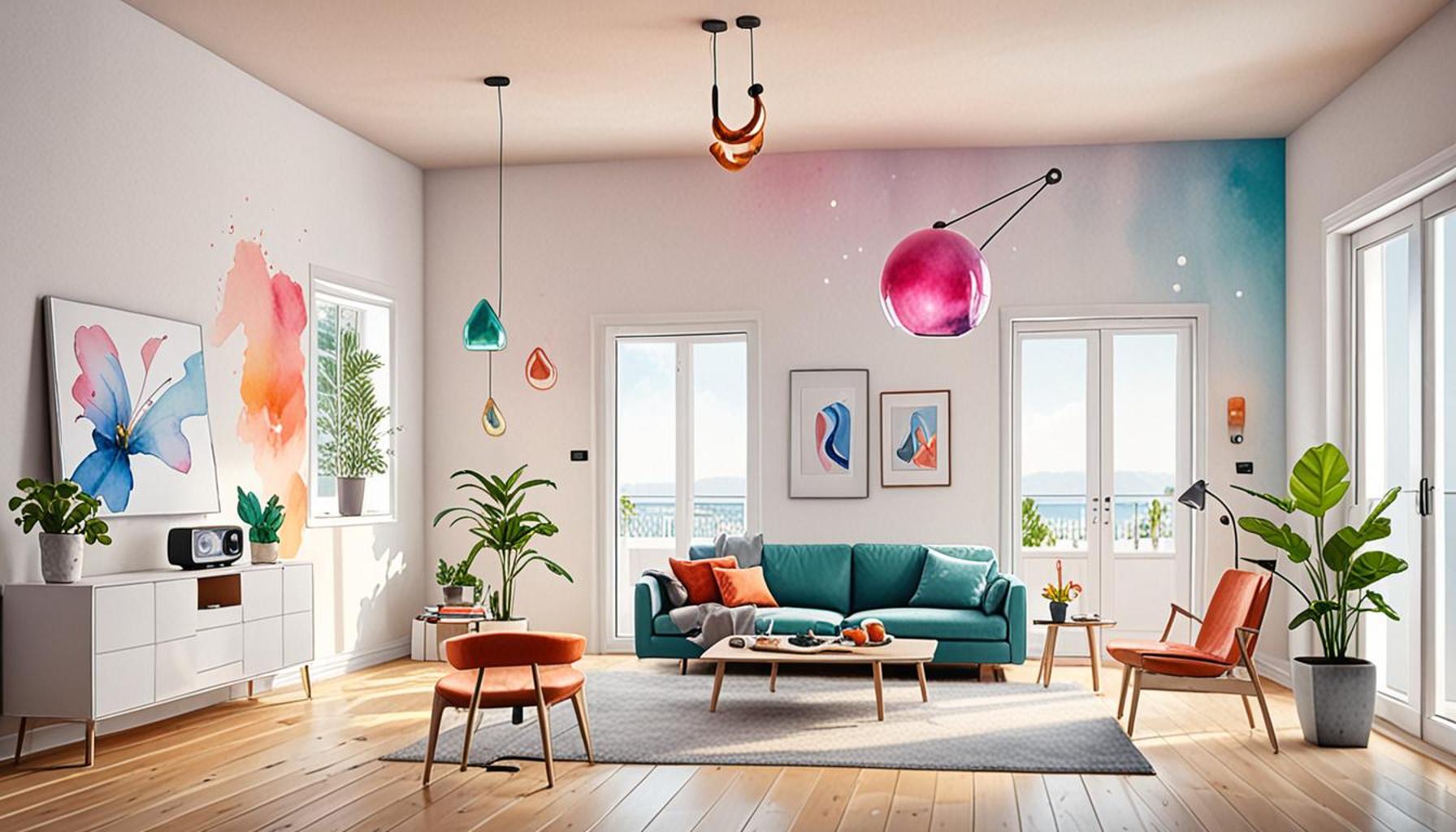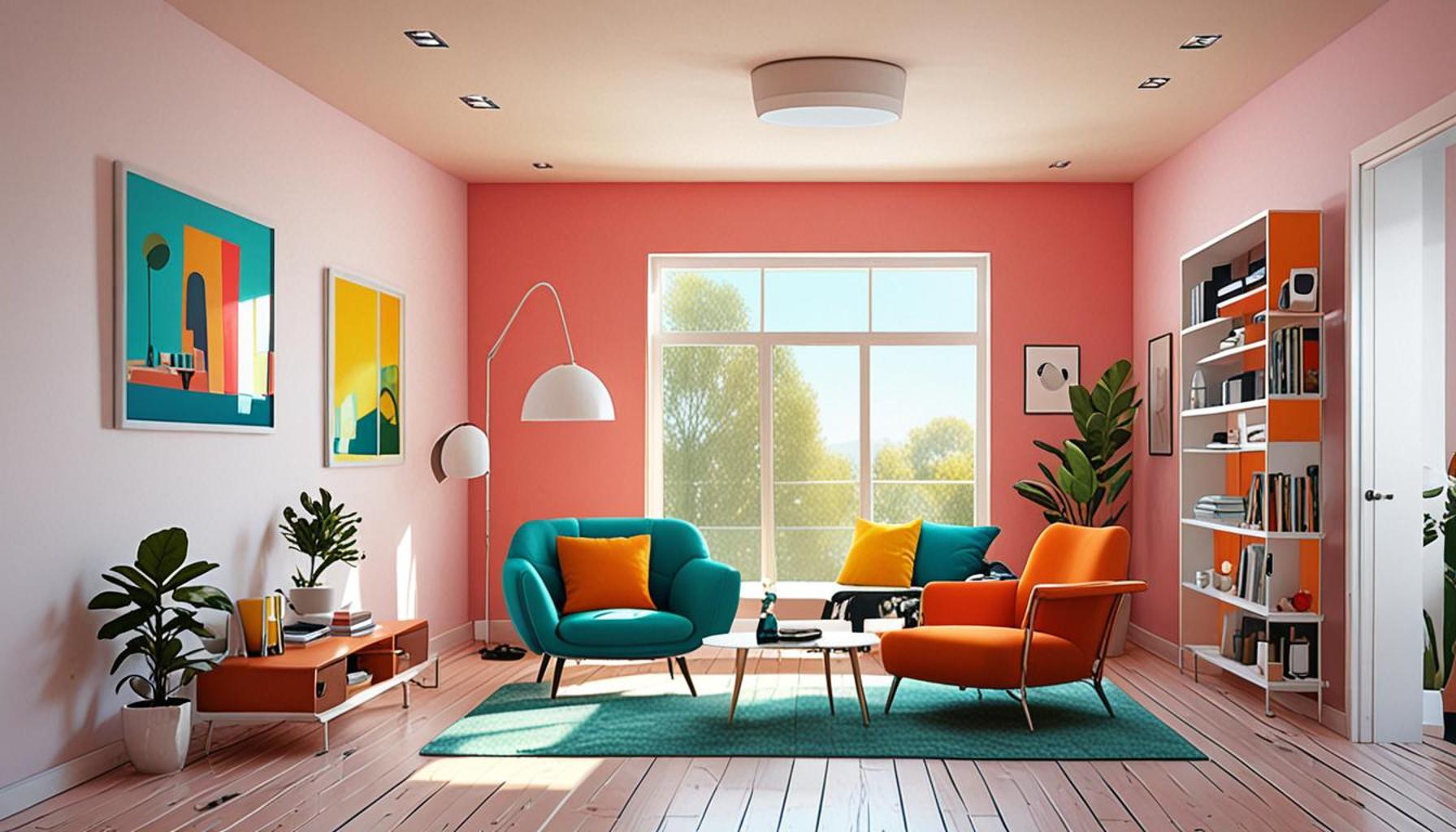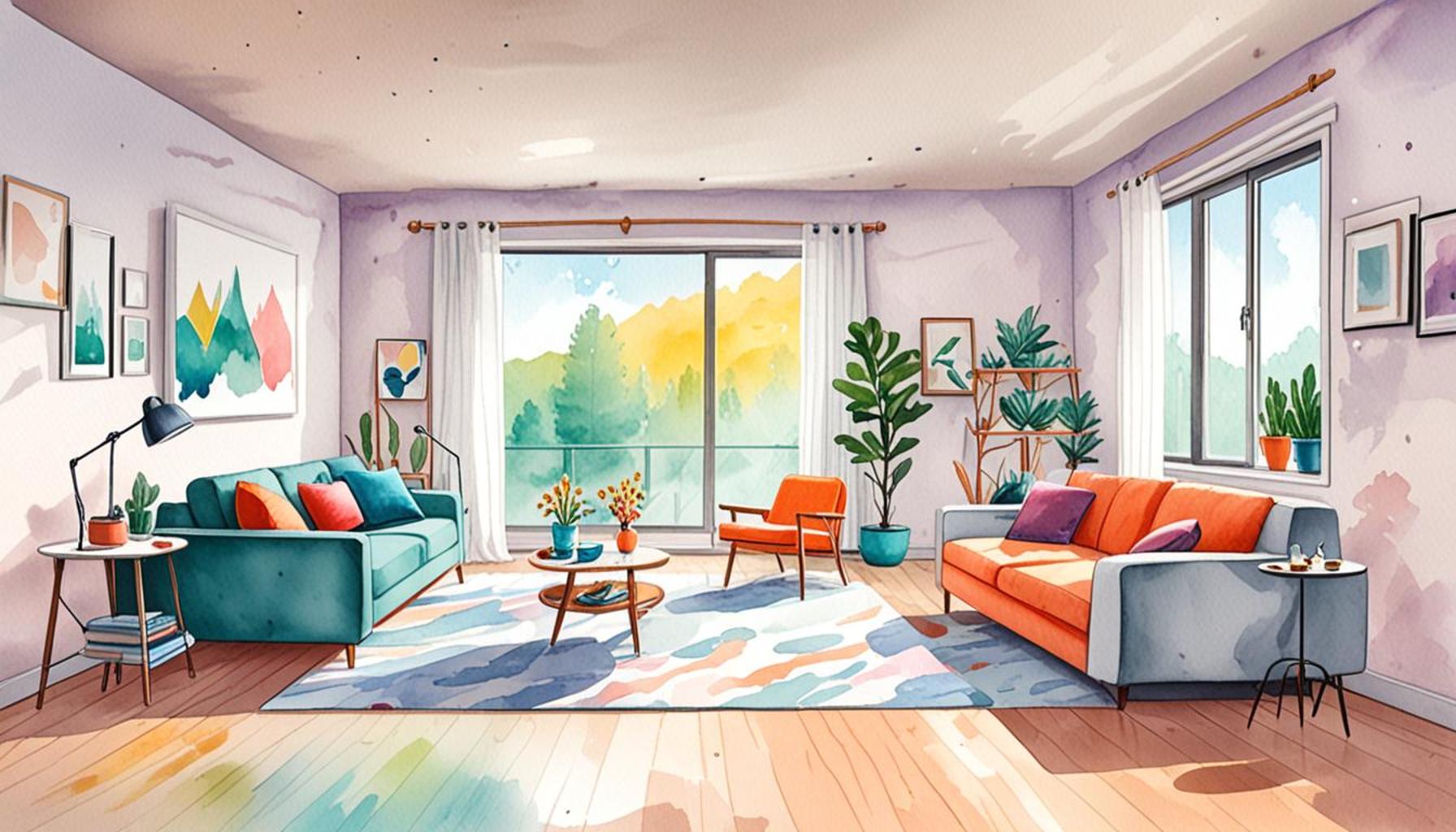
The Art of Creating Uncomplicated Spaces: Practical Tips for a Minimalist Environment
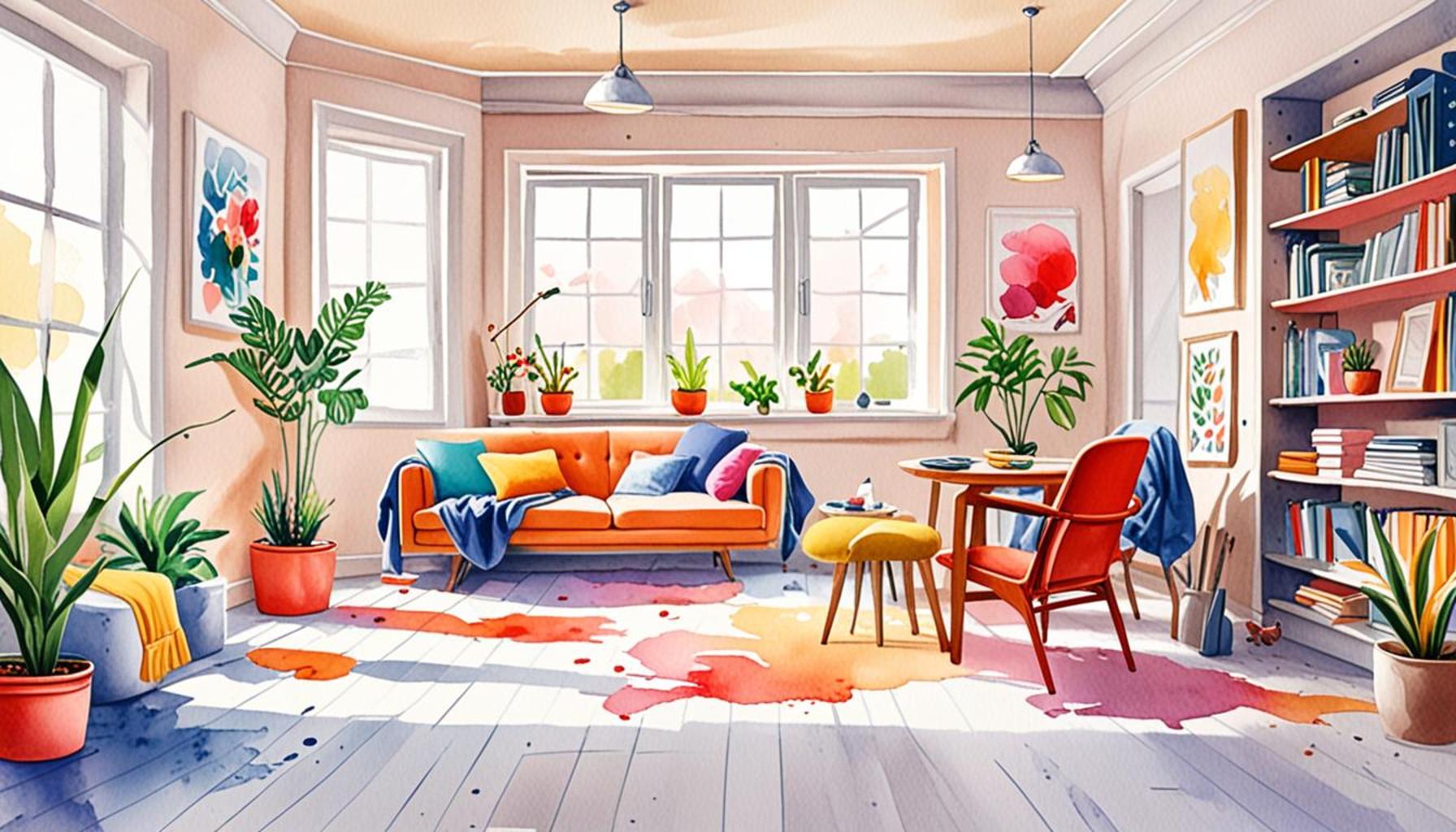
Unveiling the Beauty of Simplicity
The allure of minimalism is captivating a growing number of individuals in today’s fast-paced world. This movement transcends mere aesthetics; it represents a profound shift in lifestyle. Embracing minimalism can lead to the cultivation of environments that nurture both calmness and creativity, fostering a deeper connection with one’s surroundings.
Why Minimalism Matters
Minimalism is not simply about reducing clutter; it’s about enhancing the quality of life in multiple dimensions. By stripping away the non-essential, individuals can experience several key benefits:
- Clarity: A decluttered space clears the mind, allowing for enhanced focus. Studies have shown that environments filled with excess can lead to increased stress and anxiety, while minimal surroundings promote mental clarity and improved decision-making capabilities.
- Functionality: Each item in a minimalist space serves a purpose, contributing to a more efficient lifestyle. For example, instead of multiple kitchen gadgets, one might invest in a high-quality knife that can perform various tasks, thus simplifying meal preparation.
- Aesthetics: Simple designs create versatile and appealing spaces. Think of the popularity of modern, open-concept homes, which utilize clean lines, natural light, and unembellished decor to evoke a sense of peace.
Core Principles to Consider
In order to create an uncomplicated environment, a thoughtful approach is essential. Focusing on fundamental principles can lead to a smoother transition into minimalism:
- Declutter Regularly: Make a habit of keeping only what you love or need. A popular method involves the KonMari Technique, developed by Marie Kondo, which encourages individuals to engage with each item, asking whether it truly sparks joy.
- Neutral Color Palettes: Selecting calming hues such as whites, grays, and soft pastels can effectively promote tranquility. These colors not only create a serene atmosphere but also allow for creative expression through the careful selection of a few standout decorative pieces.
- Functional Furniture: Choose pieces that serve multiple purposes, such as a coffee table with storage capabilities or a sofa bed for guests. This approach not only maximizes space but also reduces the need for excess furnishings.
The journey to a minimalist home begins with a comprehensive understanding of your space and recognizing the role of each element within it. As you explore the art of minimalism, you will uncover practical tips, inspiring insights, and a community of like-minded individuals dedicated to simpler living. Resources such as blogs, podcasts, and books focusing on minimalism can further enhance your understanding, providing support and motivation as you embark on this transformative journey. In doing so, you aren’t just creating a physical space, but also nurturing a mindset that values clarity, purpose, and intentionality in everyday life.
DISCOVER MORE: Click here to enhance your remote work environment
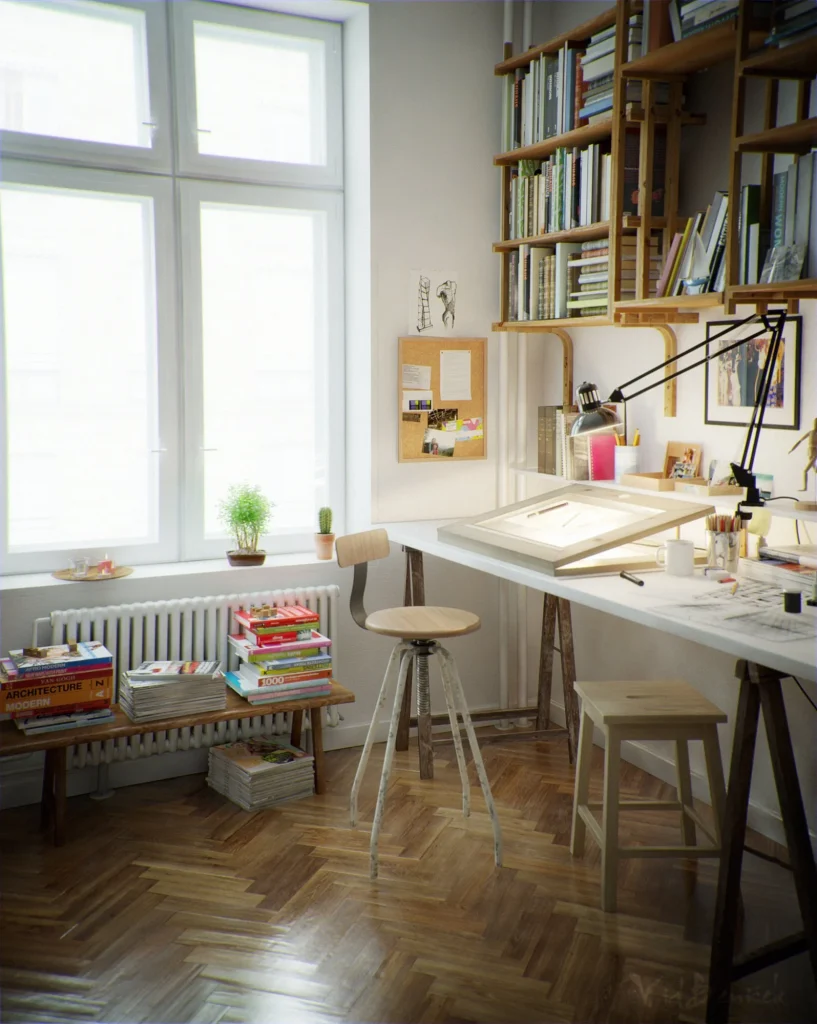
Embracing the Minimalist Mindset
As the minimalist movement gains momentum, many are discovering that creating uncomplicated spaces requires more than just a decluttering spree; it’s about fostering a mindset that values simplicity and intentionality. By prioritizing what truly matters, individuals can not only transform their living spaces but also enhance their overall quality of life. To embark on this transformative journey, consider the following practical tips that serve as a foundation for your minimalist environment.
Assessing Your Space
One of the first steps in designing a minimalist environment is conducting a thorough assessment of your space. Take time to reflect on each room and how it functions in your daily life. Ask yourself:
- What is the primary function of this room? Understanding the purpose of each space can help you eliminate unnecessary items and focus on essentials.
- What brings me joy or serves a purpose? This question, influenced by the KonMari Method, helps to identify pieces that enhance your life while discarding what no longer serves you.
- How do I want to feel in this space? Envisioning the desired atmosphere can guide your choices in color, furniture, and decor.
Curating Thoughtfully
Once you have a clear understanding of your space, the next step is to curate your possessions mindfully. Minimalism encourages quality over quantity; thus, each piece you choose should be carefully considered. Focus on selecting items that align with your personal aesthetic and functional needs. For instance, invest in a few high-quality items, such as:
- A timeless sofa: A well-made, comfortable sofa can become a centerpiece for relaxation and gatherings.
- Multi-functional decor: Opt for wall art that doubles as storage or decorative shelves that can display cherished items beautifully.
- Natural materials: Utilize items made from wood, linen, or cotton, which not only look elegant but also create an inviting atmosphere.
Integrating these thoughtfully selected pieces allows you to maintain an aesthetic that feels cohesive and light. Moreover, choosing items with dual purposes can minimize both space and clutter, allowing for a more fluid living environment. In the minimalist philosophy, every item should either inspire, serve a function, or bring joy, reinforcing the notion that less can indeed be more.
Mindful Purchasing Decisions
Another critical aspect of creating uncomplicated spaces is making informed purchasing decisions. Before buying new items, take the time to evaluate whether they fit within your minimalist principles. Maintaining a minimalist environment means resisting the urge to add to your collection simply because it’s trendy or on sale. Consider these tips to streamline your purchasing habits:
- Implement a one-in-one-out rule: For every new item you bring into your home, make it a habit to let go of something else.
- Set a waiting period: Give yourself 30 days before making a non-essential purchase to determine if it’s truly needed.
- Research sustainable options: Prioritize buying from companies that align with minimalist and sustainable principles, thereby fostering a holistic lifestyle.
By embracing these practices, you will not only enrich your living space but also instill a sense of purpose in your daily interactions. A minimalist environment allows the beauty of simplicity to shine, encouraging mindfulness and creativity in every corner of your home.
The Art of Creating Uncomplicated Spaces: Practical Tips for a Minimalist Environment
Creating a minimalist environment is not merely about reducing clutter; it’s a profound approach to enhancing well-being through simplicity and functionality. One of the first steps in crafting this uncomplicated space is to evaluate your possessions. Take a moment to assess each item’s purpose and emotional value. If it doesn’t serve a function or bring you joy, consider letting it go. This practice not only frees physical space but also encourages mental clarity.
Equally important is the concept of functional design. Every piece of furniture and decor should have a clear purpose that contributes to the overall aesthetic and functionality of the room. For instance, opting for multi-functional furniture, such as a coffee table with storage or a bed with built-in drawers, can optimize space without sacrificing style. Incorporating these elements allows you to maintain an uncluttered environment while maximizing utility.
Additionally, incorporating a neutral color palette can drastically impact the ambiance of a room. Soft whites, greys, and earth tones not only create a serene environment but also make it easier to mix and match decor elements. These hues can enhance the feeling of spaciousness and tranquility, making your space a haven rather than a source of stress.
Another practical tip for achieving minimalism is to limit decorative items. Choose a few meaningful pieces that reflect your personality and resonate with your lifestyle. A well-placed piece of art or a beautifully designed vase can serve as a focal point while allowing the surrounding space to breathe and remain uncluttered. This intentional approach to decoration elevates the overall aesthetic while maintaining simplicity.
Finally, establish a regular decluttering routine. Setting aside time weekly or monthly to reassess your belongings helps to prevent future clutter and keeps your space feeling open and clean. By incorporating these practices into your life, you will not only create uncomplicated spaces but also cultivate a sense of peace and balance in your home.
| Category | Key Features |
|---|---|
| Decluttering | Encourages a clearer mind and open space |
| Functional Design | Maximizes utility without sacrificing aesthetics |
DISCOVER MORE: Click here to find out how to create meaningful spaces
Creating an Atmosphere of Serenity
To truly embrace the art of creating uncomplicated spaces, one must also focus on the atmosphere within these environments. The presence of tranquility in a minimalist setting can significantly impact mood and productivity. Lighting, color schemes, and the layout of furniture all play pivotal roles in establishing an inviting ambiance. Here are essential elements to consider in your quest for a serene space:
Lighting Choices
Natural light has a profound effect on both aesthetics and mental wellbeing. Designing your space to maximize natural light can lead to a brighter, more uplifting environment. Consider these tips:
- Use sheer curtains: They allow light to filter through while maintaining your privacy, cultivating an open and airy feel.
- Incorporate mirrors: Strategically placing mirrors can reflect light and create the illusion of space, enhancing the openness of your environment.
- Layered lighting: Combine ambient, task, and accent lighting to create tranquility and warmth during different times of the day.
Being mindful of your lighting solutions not only complements your minimalist decor but also nurtures an atmosphere conducive to relaxation and focus.
Color Palette Selection
Your choice of colors can significantly influence the emotional tone of your space. Minimalist environments often benefit from a muted color palette that promotes calmness and simplicity. Here are tactical suggestions:
- Neutral tones: Shades of white, beige, and gray create a timeless backdrop, allowing furnishings and decor to stand out without visual overwhelm.
- Pops of color: Consider adding accents through artwork or throw pillows. Choose a few colors and apply them consistently to maintain coherence.
- Matte finishes: These absorb rather than reflect light, enhancing the feeling of quietude within the space.
By carefully selecting your color palette, you can create harmony that resonates throughout your living areas, promoting peace and comfort.
Thoughtful Furniture Arrangement
The arrangement of your furniture holds immense power over the flow and functionality of a room. Implementing an intentional layout can optimize space while enhancing the overall minimalist aesthetic. Consider the following:
- Embrace open spaces: Allow room for movement by avoiding overcrowding your decor. Floating furniture away from walls can help create a more open layout.
- Focus on focal points: Design your arrangement around a central piece, such as a fireplace or artwork, guiding the visual journey and drawing attention to it.
- Use multi-purpose furniture: Opt for items like ottomans that double as storage or a coffee table that can expand when needed, maximizing utility without sacrificing style.
Incorporating these strategies can ensure your minimalist space feels inviting and functional, reassuring you that you are indeed making space for what matters.
As you refine your approach to creating uncomplicated spaces, remember that every choice—be it a light fixture or a piece of art—acts as a statement of intention. A minimalist environment fosters not only cleanliness but a liberating lifestyle marked by clarity and serenity, underscoring the belief that less truly can be more in the pursuit of a harmonious home.
DISCOVER MORE: Click here to learn about the benefits of minimalism in project management
Conclusion: Embracing Minimalism for a Harmonious Life
As we navigate the journey of creating uncomplicated spaces, it’s essential to recognize that minimalism extends beyond mere aesthetics; it’s a mindset that cultivates clarity, freedom, and serenity. By focusing on crucial elements such as lighting, color palettes, and thoughtful furniture arrangements, we can transform our environments into sanctuaries that promote comfort and well-being. The choice to adopt a minimalist lifestyle resonates with many, especially in our fast-paced world where simplicity can often bring peace.
Moreover, a minimalist approach not only enhances the beauty of your home but also reinforces the principle that less truly can be more. Each carefully selected piece—whether a lamp that casts a warm glow or a chair that beckons relaxation—tells a story about our values and priorities. This intentionality serves as a gentle reminder to surround ourselves with items that bring joy and serve purpose, ultimately leading to a more focused and fulfilling life.
So, take the leap towards a minimalist environment that reflects your ideals. Start small if necessary, decluttering and consciously curating a space that reflects who you are. Embrace this art of simplicity, and allow it to enrich not just your surroundings but your entire lifestyle, fostering a sense of well-being that resonates beyond the walls of your home. With each element we mindfully choose, we sculpt a life rooted in serenity and purpose.