The Art of Fermentation: Exploring Creativity in Food Preservation
The Wonders of Fermented Creations
Fermentation, a culinary practice that dates back thousands of years, is more than just a method of food preservation; it is an art form that enhances the flavor, texture, and nutritional profile of various ingredients. By utilizing the natural processes of microorganisms such as bacteria and yeasts, fermentation transforms humble components into vibrant and exciting dishes. As a result, food enthusiasts are increasingly exploring this technique to create everything from classic staples to innovative gourmet delights.
Across the globe, fermentation is celebrated in diverse cultures, each contributing unique flavors and traditions. In Japan, for instance, miso, a versatile paste made from fermented soybeans, serves as the backbone of many dishes, including miso soup and marinades. The umami flavor profile achieved through fermentation makes it a sought-after ingredient. In Korea, kimchi showcases a bold combination of seasoned vegetables, frequently including napa cabbage and radishes, all fermented to perfection. This vibrant staple is not just a side dish but an integral part of the Korean meal experience, adding zing and punch to every bite.
In addition to these staples, the alcohol industry heavily relies on fermentation, producing beloved beverages like beer and wine. Craft breweries across the United States exemplify the creative possibilities in beer-making, where innovative flavors arise from the fermentation of grains and the use of various hops and yeast strains. Wine, derived from fermented grapes, has also seen an explosion of interest, with local wineries emerging to cater to a growing audience eager to appreciate the nuances of terroir and fermentation methods.
In the United States, home fermentation has gained significant traction as more people seek to connect with their food sources. This movement has led individuals to experiment with DIY kits for items such as sourdough bread, pickles, and even unique beverages like kombucha. The benefits of engaging in fermentation extend beyond the kitchen. Some of these include:
- Enhanced flavor profiles – Fermented foods often feature complex flavors, making them more enjoyable and exciting.
- Improved nutritional value – Fermentation can increase the bioavailability of nutrients, making it easier for the body to absorb vitamins and minerals.
- Increased shelf life of foods – Foods that undergo fermentation often last longer, reducing waste and enhancing food efficiency.
By embracing fermentation, Americans tap into a rich heritage of culinary traditions while simultaneously embarking on a journey of sensory exploration. Whether it’s experimenting with new flavor combinations or savoring the probiotic benefits of fermented foods, the possibilities are limitless. As the conversation around food continues to expand, fermentation serves as a bridge between past and present, allowing individuals to transform everyday ingredients into extraordinary creations.
DISCOVER MORE: Click here to learn how digital platforms elevate musical talents
The Fermentation Process: A Dance of Microorganisms
At the heart of fermentation lies a fascinating interplay between microorganisms and their environment. Beneficial bacteria and yeasts thrive in specific conditions, transforming simple ingredients into complex culinary experiences. The process begins when sugars in foods are converted into acids, gases, or alcohol, leading to an array of flavorful outcomes that can tantalize the taste buds. Whether it’s the unique tanginess of artisan cheese or the effervescence of sparkling kombucha, understanding fermentation opens a world of gastronomic creativity.
Fermentation typically falls into two categories: lactic acid fermentation and alcoholic fermentation. Lactic acid fermentation involves bacteria that convert sugars into lactic acid, contributing to the signature sourness found in products like yogurt and sauerkraut. These foods not only pack a flavorful punch but also support gut health by providing beneficial probiotics. In contrast, alcoholic fermentation, primarily facilitated by yeast, creates beloved beverages such as beer and wine, where the byproduct of ethanol brings joy to gatherings and celebrations.
Exploring the Process: Key Ingredients and Techniques
Many foods are ripe for fermentation, and the potential for creative innovation is vast. Home cooks and professional chefs alike are discovering new ingredients to ferment, from seasonal fruits to unexpected vegetables. Popular choices include:
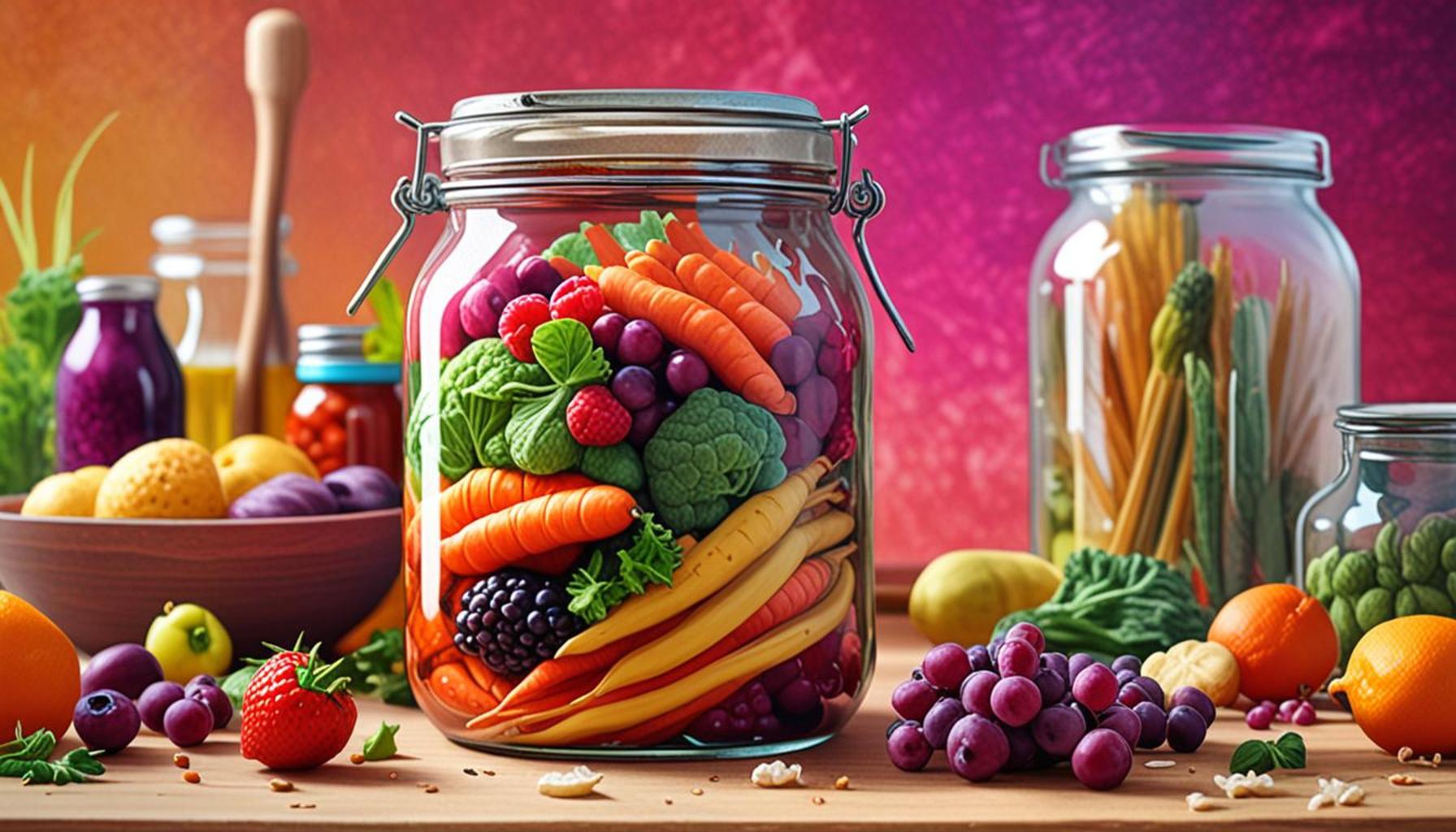
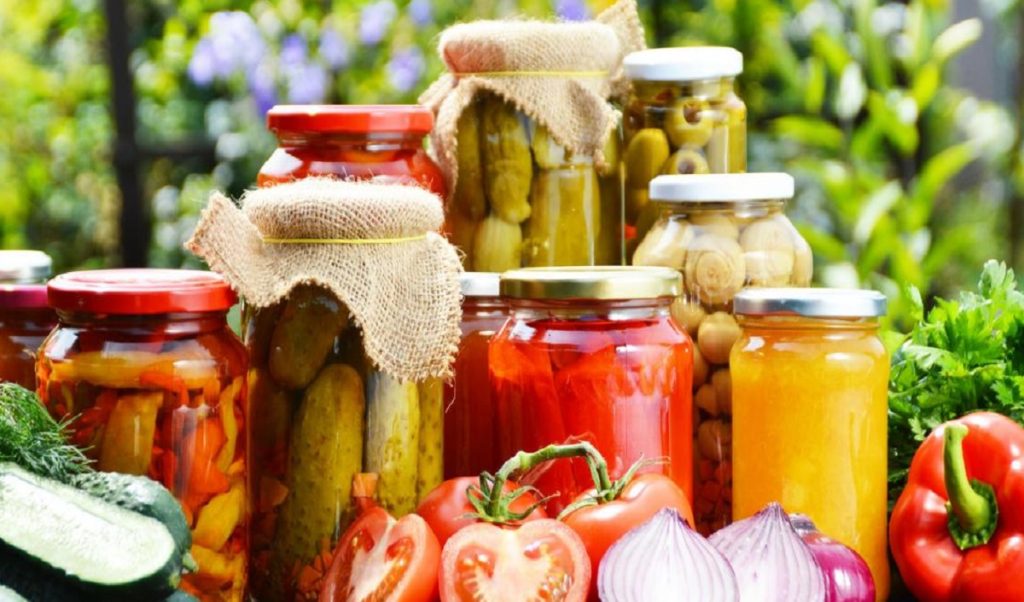
- Vegetables: Items such as carrots, beets, and radishes can be brined and fermented, creating vibrant, crunchy snacks.
- Grains: Fermentation of grains like corn and rice leads to unique dishes such as masa for tortillas or the Japanese nukazuke pickles.
- Fruits: Fruits like apples and pears can undergo fermentation to make ciders and wines, capturing the essence of the harvest.
- Legumes: Beans and lentils offer exciting potential in the fermentation realm, transforming into delights like tempeh.
Techniques also vary widely, encouraging culinary exploration. While the traditional method of lacto-fermentation involves packing vegetables in salt and allowing natural bacteria to do their work, more modern approaches have emerged. Fermentation jars with airlocks or specialized lids enable enthusiasts to experiment with controlled environments, creating conditions for optimal microbial growth. This flexibility in technique not only democratizes the art of fermentation but also allows room for creativity, pushing the boundaries of what can be preserved and enjoyed.
As Americans continue to embrace the art of fermentation, the emphasis on local ingredients and seasonal produce shapes the future of this practice. From farmers’ markets to kitchen tables, communities are gathering around the transformative power of fermentation, sharing tips and recipes that celebrate individual flair and tradition. The journey into fermentation is not merely about food; it is about weaving a rich tapestry of culture, history, and creativity that transforms our culinary experiences.
| Category | Description |
|---|---|
| Nutritional Benefits | Fermented foods are rich in probiotics and enzymes that aid digestion and boost gut health. |
| Culinary Creativity | Exploring fermentation allows home cooks to experiment with diverse flavors, textures, and preservation methods. |
The world of fermentation opens numerous doors for both health benefits and culinary exploration. Through the process of fermentation, foods such as vegetables, fruits, and dairy transform into vibrant ingredients packed with nutritional advantages. These include the cultivation of beneficial bacteria known as probiotics, which actively contribute to improved digestive health. This focus on gut health is increasingly relevant, as consumers seek natural methods to enhance their well-being.Additionally, the art of fermentation encourages home cooks to unleash their creativity. With the ability to create unique flavors and textures, anyone can experiment in their kitchen, turning everyday ingredients into extraordinary dishes. From tangy kimchi to rich miso, each creation tells its own story, inviting exploration and experimentation. The diversity of fermentation also ties into seasonal and local food movements, encouraging sustainable, skillful cooking practices. As interest in these methods grows, so does the appetite for knowledge and tradition surrounding them. Dive deeper into this culinary movement; its benefits and joys await discovery at every turn!
DISCOVER MORE: Click here to dive deeper
Unleashing Flavor: The Role of Microbial Diversity
The beauty of fermentation lies in its reliance on microbial diversity. From wild yeasts and lactic acid bacteria to molds, each microorganism contributes its own unique flair to the end product, creating a symphony of flavors that tell a story in every bite or sip. The fascinating concept of utilizing wild fermentation—where local microbiomes spontaneously ferment the food—has gained traction, especially among artisanal producers. This allows fermentation to become a reflection of a specific geographical area and season, offering a nuanced taste of place.
To illustrate, consider the rising popularity of sourdough bread, which captures the essence of its surroundings through the wild yeast and bacteria in the starter culture. The variations among sourdough loaves are countless, often influenced by the flour type, water quality, and even the ambient climate. Bakers in different regions are uncovering how their local conditions affect flavor, texture, and fermentation time, thus enhancing their creativity and offering consumers a unique experience with each loaf.
Health Benefits and Nutritional Value
The art of fermentation extends beyond just enhancing flavor; it offers significant health benefits as well. Through the fermentation process, food becomes more digestible, and the nutrients are more bioavailable, meaning the body can absorb them more easily. For instance, fermented dairy products like yogurt contain probiotics that promote a healthy gut microbiome, which is increasingly linked to overall well-being. Research has shown that a balanced gut microbiome can influence everything from digestion to mental health.
Moreover, the fermentation process can enhance the nutritional profile of foods. For example, fermentation increases the bioavailability of minerals and vitamins in grains, legumes, and vegetables through the breakdown of antinutrients. Fermented foods such as kimchi or miso provide additional antioxidants and may even offer anti-inflammatory properties, making them an integral part of a health-conscious diet.
Innovations in Fermentation: Modern Trends
<pIn recent years, chefs and home cooks have tapped into an array of innovative fermentation techniques. The emergence of products like “hard” kombucha, which blends the traditional fermented tea with alcohol content, showcases the versatility of fermentation in crafting exciting beverages. The trend has also led to the creation of spicy fermented sauces that merge flavors from various cuisines, appealing to adventurous palates eager for something new.
Moreover, the concept of fermentation is being integrated into haute cuisine, with chefs anxiously experimenting in their kitchens to elevate dining experiences. They are marrying ancient techniques with modern culinary practices, pushing the envelope of what fermentation can achieve. Fermented foam, sauces, and powders are showing up on menus, and the creative possibilities seem endless.
As the exploration of fermentation unfolds, there is a compounded interest from consumers in understanding the origins and processes behind the foods they consume. Producers emphasize transparency, documenting the journey from ingredient to table, while building a narrative around their craft. This not only fosters a connection between the chef or producer and their audience but also encourages a culture of appreciation for the art involved in this age-old practice.
DISCOVER MORE: Click here to enhance your crafting skills
Conclusion: The Enduring Legacy of Fermentation
In a world that constantly seeks innovation, the art of fermentation stands tall as a testament to the beauty of tradition and creativity in food preservation. From its ancient roots to modern trends, fermentation not only enriches our culinary experiences but also promotes a deeper connection to what we consume. By harnessing the power of microbial diversity, we embark on a journey that celebrates flavor, health, and sustainability.
As the resurgence of artisanal practices highlights, this ancient technique offers a platform for creativity unlike any other, allowing chefs and home cooks alike to explore the unique qualities of their local ingredients. The endless variations of fermented foods—from vibrant kimchi to rich sourdough bread—serve not only as nourishing staples but as living reflections of their environments, resonating with stories of place and time.
Moreover, as we uncover the health benefits associated with fermented foods, it becomes evident that this practice is not just about flavor enhancement but also about fostering wellness in an increasingly health-conscious society. By promoting gut health and increasing the bioavailability of essential nutrients, fermentation plays an essential role in our diets.
The excitement in the culinary world today leaves room for ongoing experimentation. Whether it is innovating with spicy fermented sauces or crafting tactical fermented beverages like hard kombucha, the potential for unique expressions of flavor is limitless. As producers and consumers cultivate a shared understanding of the narratives behind food, they encourage appreciation for the delicate balance that fermentation embodies. Ultimately, exploring the art of fermentation invites us all to step into a realm where science meets art, yielding culinary wonders that tantalize our taste buds and nourish our bodies.