The Art of Writing Letters: Rediscovering Personal Communication in a Digital World
The Timeless Charm of Letter Writing
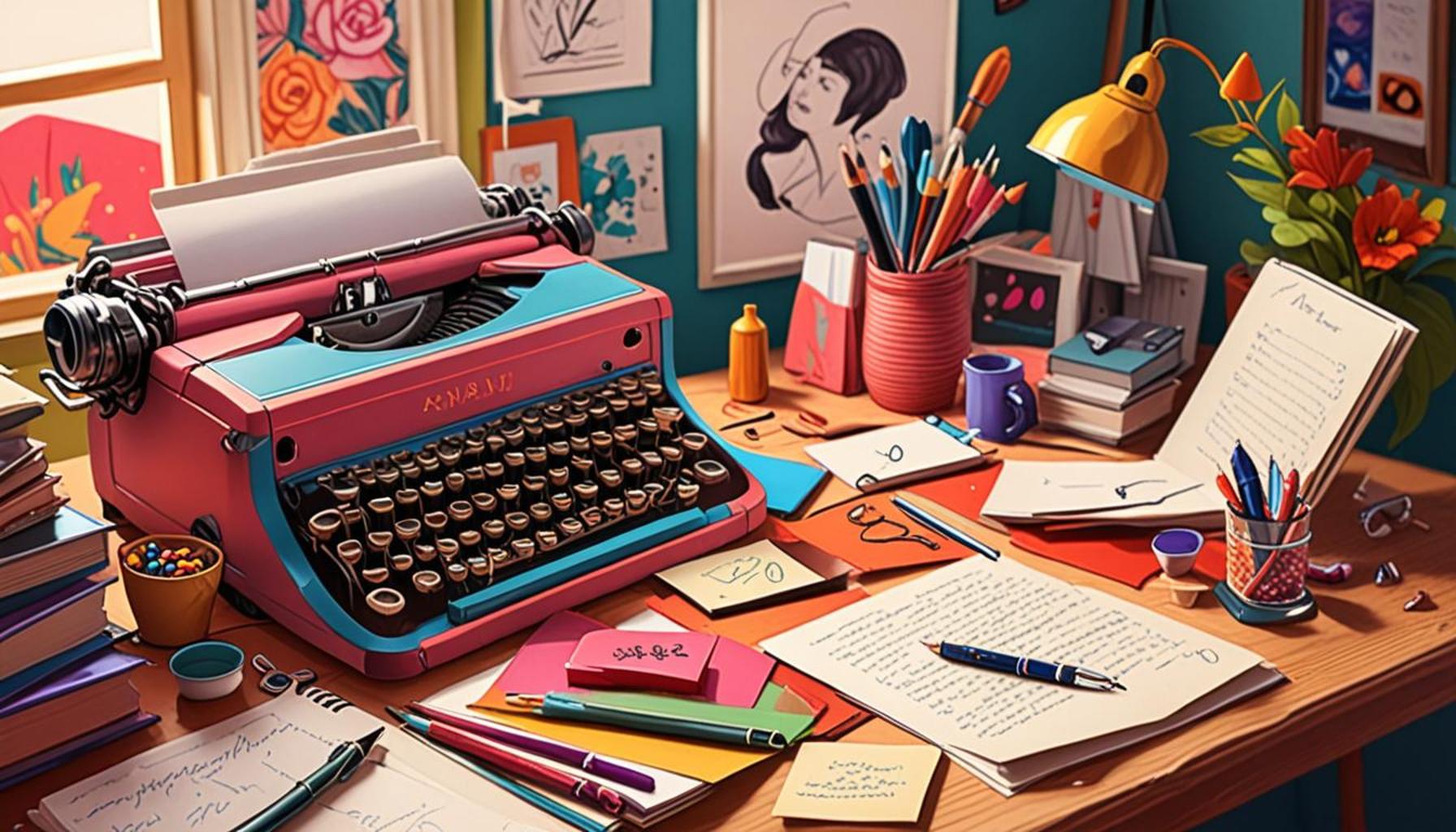
In a world dominated by instant messaging and social media, the art of writing letters may seem outdated. However, this timeless form of communication possesses unique qualities that digital messages often lack. Rediscovering the craft of letter writing can add a personal touch to our digital lives, prompting deeper connections that are often lost in the fast pace of today’s interactions.
Consider the benefits of putting pen to paper:
- Thoughtfulness: Crafting a letter allows for reflection and careful expression of feelings. Unlike a quick text message or an email, writing a letter encourages the writer to slow down, think critically about their sentiments, and articulate them thoughtfully. This meditative process enhances the emotional authenticity of the message.
- Sentimentality: A handwritten letter carries an emotional weight that digital messages cannot replicate. The recipient can perceive the effort and care that went into its creation, especially when they see the unique handwriting, the choice of paper, or even the scent of the ink. This tangible aspect fosters a sense of nostalgia, making it an artifact that can be cherished.
- Preservation: Letters serve as tangible mementos that can be cherished and revisited over time. While digital messages can easily be lost in the clutter of our devices, letters often become keepsakes. Many people treasure old letters from loved ones, passing them down through generations, creating a tangible link to their personal history.
The revival of letter writing invigorates our communication landscape, posing a compelling challenge to slow down and reconnect on a meaningful level. According to the US Postal Service (USPS), the delivery of personal letters saw a significant decline in recent years; however, a resurgence is evident among enthusiasts and creatives alike. Notably, a group known as “The Letter Writers Alliance” encourages individuals to embrace this tradition, hosting events and providing resources to keep the spirit of letter writing alive.
The origins of letter writing date back to ancient civilizations, where messages were etched onto clay tablets or papyrus scrolls. Notable historical figures, including John Adams and Thomas Jefferson, utilized letters as a means of political and personal dialogue, providing a glimpse into their thoughts and emotions during critical periods of U.S. history. Today, this practice continues to evolve, integrating various styles, from formal correspondence to casual notes among friends.
In this exploration, we will delve into the history, techniques, and the profound impact letters can have on establishing personal communication. The art of letter writing is not merely a nostalgic longing for the past, but an essential skill that can cultivate richer relationships and deeper understanding in our increasingly digital landscape. Together, we will uncover how embracing this art form can enrich our lives, fostering connections that resonate far beyond the surface level, ultimately enhancing the way we engage with one another.
DIVE DEEPER: Click here to discover the impact of music education
The Legacy of Letter Writing
The practice of letter writing has long been a vital means of communication, offering a rare intimacy and personal touch that electronic modes often miss. It invites the writer to pause, to fully immerse themselves in the act of communication, creating a reflection of one’s thoughts and emotions in ink. This legacy, steeped deeply in human interaction, serves as a poignant reminder of not just the content of our messages, but also the way we convey our feelings. As we navigate through an era rife with digital distractions, the art of letter writing becomes increasingly significant, offering a pathway to deeper connections.
To understand the importance of personal communication through letters, we can examine various aspects that enrich this cherished tradition:
- Cultural Relevance: Many cultures around the world continue to celebrate letter writing as a vital form of expression. In Japan, for instance, writing letters is an important aspect of their etiquette, signifying respect and sincerity. The heartfelt act can foster friendships and create lasting bonds, reminding us of the universal need for connection.
- Historical Significance: Throughout history, letters have served pivotal roles during wars and political events. For example, love letters dotted with longing during the Civil War show the emotional depth of human relationships amidst turmoil. These historical documents provide not just insights into the past but also relatable feelings that echo through time.
- Emotional Impact: Studies show that the act of writing itself can improve mental well-being. Penning a letter can be therapeutic, allowing individuals to articulate feelings that are often difficult to verbalize. Many find that writing letters can be a source of comfort, particularly during trying times.
The allure of a handwritten letter lies not just in its physicality but also in its potential to serve as a cherished keepsake. While emails and texts quickly fade from memory, letters can be held, read, and re-read for years. They often become heirlooms, each stroke of the pen carrying the weight of personal stories, emotions, and insights. In fact, many families pass down letters from previous generations, creating a tapestry of history that connects past and present.
In contemporary society, the act of writing letters has gained a new wave of appreciation, especially among younger generations exploring ways to combat digital fatigue. Enthusiasts have been forming pen pal networks, leading to revitalized interest in corresponding through letters. Websites and social media platforms dedicated to letter writing communities are flourishing, encouraging creativity through the art of expressive correspondence.
As we dive deeper into the unique facets of letter writing, it becomes clear that this enduring practice offers more than just a medium for communication. It acts as a bridge to understanding, empathy, and an appreciation of the nuanced layers of human emotion. By choosing to engage in letter writing, we affirm our commitment to meaningful interactions, redefining the way we share our stories in a world often characterized by fleeting digital exchanges.
As we navigate this digitally-driven era, the charm and depth of traditional letter writing stand out as a poignant reminder of more personal times. With the click of a button, emails and texts have become the norm, often lacking the warmth conveyed through handwritten communication. If you’ve ever received a letter that carried a personal touch, you’ll understand the unique connection it fosters. Letters allow for more thoughtfulness—the sender has time to reflect on their words, ensuring that the message truly resonates with the recipient.
Moreover, letter writing serves as a form of emotional expression. In today’s fast-paced world, taking the time to draft a letter illustrates care and consideration. This practice is not only therapeutic for the writer but can also profoundly impact the recipient, evoking feelings of nostalgia and cherished memories. The art of letter writing brings to light the importance of preserving personal connections amid digital noise, and it helps us articulate emotions that might otherwise go unexpressed in abbreviated texts.
| Advantages | Explanations |
|---|---|
| Enhanced Personal Touch | Handwritten letters evoke emotions and create lasting memories. |
| Increased Reflection | The process of writing letters encourages thoughtful expression. |
As we rediscover the art of writing letters, we not only reconnect with ourselves but also with those we hold dear, enriching our relationships in an often impersonal digital world. It’s a chance to slow down, be present, and fully engage with our thoughts as we bring back a genuine form of personal communication. This intentionality fosters connections that are deeply rooted and meaningful—an experience that digital communication can rarely offer.
DISCOVER MORE: Click here to elevate your plating skills
The Revival of Letter Writing in Modern Times
In a world where instant gratification is the norm, the revival of letter writing encapsulates a yearning for authenticity and permanence within our communications. Individuals across the United States are increasingly turning to this traditional medium as a conduit for self-expression and connection. This resurgence can be seen in various initiatives that blend creativity with personal storytelling.
One notable trend is the rise of creative letter writing workshops. These gatherings, often hosted in community centers or local bookstores, invite participants to explore the nuances of crafting heartful letters. In these workshops, participants are encouraged to utilize various artistic elements such as colored inks, calligraphy, and unique stationery. The experience fosters not just skill development, but also a sense of camaraderie among individuals seeking a break from the digital grind.
Moreover, events like the National Letter Writing Month in April inspire communities nationwide to embrace the joy of sending handwritten notes. This initiative prompts schools, families, and organizations to engage in friendly competitions to see who can write the most letters in a month. The results often illustrate a significant cultural shift, highlighting how people relish the process of putting pen to paper, especially when it comes to spreading goodwill and positivity.
Incorporating the sentimentality of letter writing into everyday life is becoming an artistic trend as well. Enthusiasts are harnessing the power of social media to promote their handmade stationery businesses, sharing their creations on platforms like Instagram and Etsy. The success of these small businesses typically derives from the emotional resonance associated with each detail, ensuring that their products are both visually appealing and serve a greater purpose: fostering communication.
The intimate nature of letters also allows writers to share their vulnerabilities, reinforcing the powerful impact of personal storytelling. Writers frequently disclose their fears, dreams, and aspirations within their letters, creating a profound emotional exchange that often lacks in digital forms of communication. This willingness to be candid cultivates trust and deeper connections, reminding us that the art of sharing is as much about the writer’s journey as it is about the written word itself.
As letter writing gains momentum, it is increasingly celebrated in the realm of education. Teachers around the country are recognizing the pedagogical benefits of encouraging students to write letters as part of their curriculum. From penning thank-you notes to engaging in projects that connect with peers in different states, students acquire valuable communication skills while also learning about empathy and perspective-taking. This educational approach not only reinforces the significance of writing but also empowers the next generations to value personal connections amidst a digital backdrop.
The resurgence of letter writing is undoubtedly rooted in a collective hunger for mindfulness and a desire to reconnect with what is genuinely meaningful. As more individuals opt for this art form, we can expect an everlasting ripple effect that nourishes our relationships while simultaneously reminding us of the importance of reflection and authenticity in our increasingly fast-paced world.
DISCOVER MORE: Click here to learn how to elevate your dishes
Conclusion: Embracing the Timelessness of Letter Writing
The art of writing letters serves as a powerful reminder that amidst our fast-paced, digital society, there exists a profound charm in taking the time to communicate thoughtfully and deliberately. This revival highlights a widespread desire for genuine connections and the remembrance of our shared humanity. Whether through creative workshops, community initiatives like National Letter Writing Month, or the flourishing of handmade stationery businesses, people across the country are reawakening an appreciation for the written word.
In a landscape often filled with fleeting interactions, the heartfelt vulnerability of letters fosters deeper relationships and emotional exchanges that digital mediums struggle to replicate. As we embrace this analog practice, we not only craft meaningful narratives but also cultivate empathy and understanding in our everyday lives. Schools recognizing the educational value of letter writing encourage students to engage in personal storytelling, enriching their communication skills while grounding them in a tradition that champions reflection and mindfulness.
As we move forward, it is essential to remember that this isn’t merely a nostalgic return to the past; rather, it is a vital aspect of our evolving communication landscape. Every letter penned creates an impact that extends beyond its pages, stitching hearts together in an age where digital interactions can feel transient. The revival of letter writing invites everyone to partake in a shared journey towards enduring connections, ensuring that the art of personal communication remains vibrant for generations to come.