The Cultural Influence in Art: Projects that Celebrate Local Traditions and Histories
Understanding the Interplay of Culture and Art
Art serves as a powerful mirror reflecting the complexities of society, and this truth is particularly apparent in the numerous projects aimed at celebrating local traditions and histories. Across the United States, artists have begun to harness cultural narratives to craft works that resonate profoundly with the communities from which they hail. These narratives often incorporate diverse influences, weaving a rich tapestry that showcases the unique cultural heritage of various regions.
Artistic projects that engage with local traditions often aim to:
- Showcase unique heritage through storytelling, allowing individuals to share their personal histories and communal experiences.
- Revitalize local neighborhoods with dynamic public art displays that transform urban spaces into vibrant hubs of creativity.
- Inspire community engagement via participatory art initiatives, where locals can contribute their own ideas and artistic efforts.
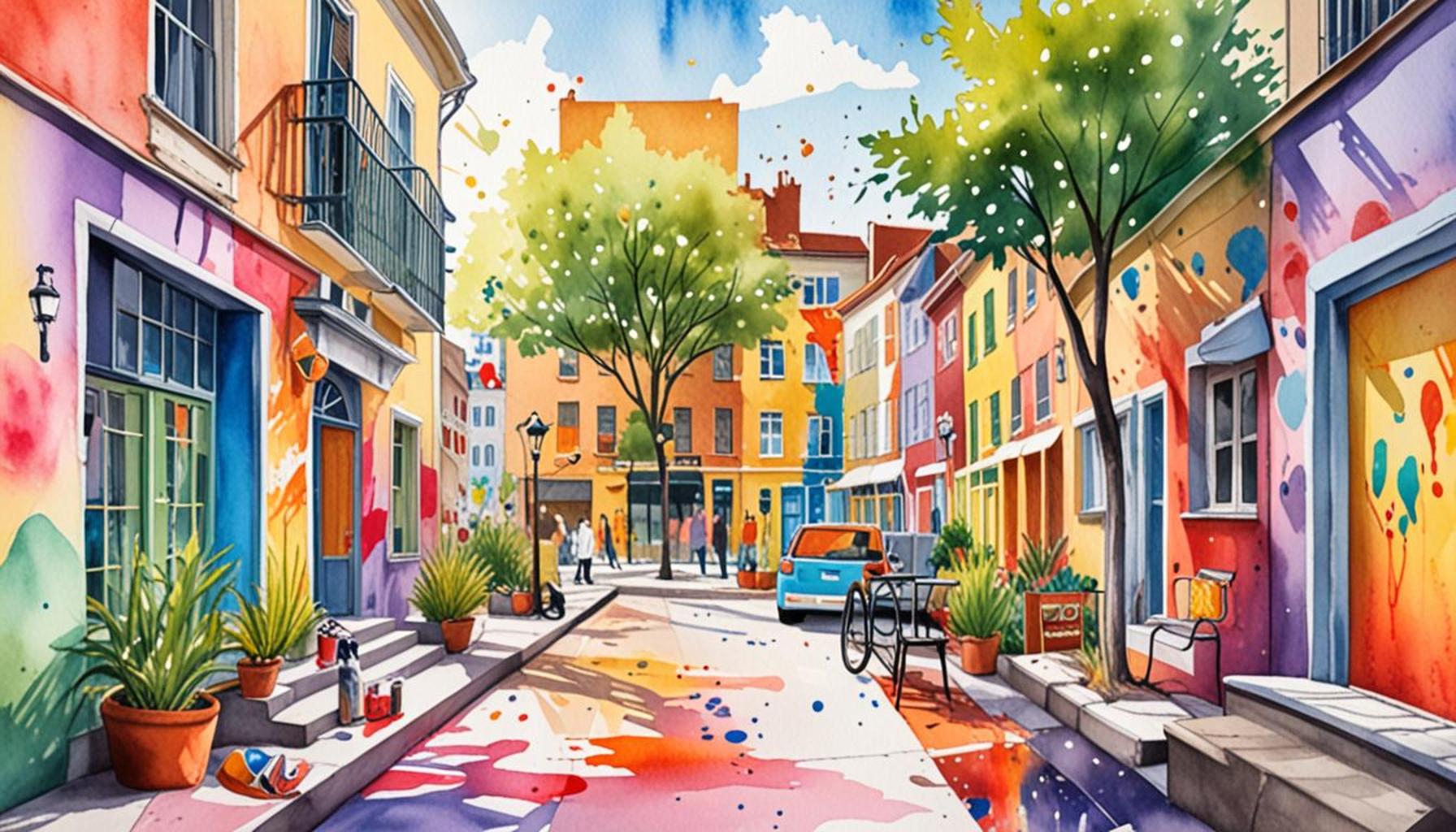
A quintessential example of this phenomenon can be found in the murals of Philadelphia, where local artists paint vibrant depictions of the city’s history, community leaders, and cultural figures. These artworks do more than beautify— they invoke a dialogue about the past and present struggles and triumphs of the city’s inhabitants.
Moreover, initiatives such as the National Endowment for the Arts’ Our Town grants exemplify the commitment to fostering artistic collaboration. They empower towns to work with local artists to create projects that are not merely decorative but serve as meaningful expressions of cultural identity. The impact of such programs is far-reaching, as they not only support the arts but also promote civic pride and economic growth.
Grassroots movements, like those organizing art walks and community festivals celebrating multicultural influences, play an essential role in enriching local culture. Events such as the San Antonio Fiesta highlight diverse traditions through food, music, and art, creating immersive experiences that draw in residents and tourists alike, thereby bolstering local economies.
As we delve into these varied artistic endeavors, we uncover that art transcends mere aesthetics; it is an essential tool for cultivating a collective memory and establishing connections across generations. This nuanced relationship between culture and artistic expression invites us to reflect deeply on our identities, prompting a renewed investigation into who we are and the stories that have shaped our communities.
Ultimately, it is evident that art can act as a vehicle for social change, one that brings people together and inspires future generations to cherish and maintain their cultural heritage. By understanding and embracing the role of culture in artistic expression, we open ourselves to a broader appreciation of the diverse narratives that shape our society.
DISCOVER MORE: Click here to delve deeper
Reviving Culture Through Artistic Expression
Across the United States, local artists are delving into the rich tapestries of their communities to create art that is both visually stunning and deeply rooted in cultural significance. These projects breathe new life into local traditions and histories, allowing artists to explore themes of identity, belonging, and resilience. By emphasizing the factors that make each community unique, artists bridge past and present, inviting a dialogue that fosters cultural understanding.
Initiatives such as local public art installations and collaborative community projects not only serve aesthetic purposes but also aim to engage local residents in the narrative of their own heritage. For instance, in New Orleans, the Arts Council New Orleans has spearheaded initiatives that encourage artists to reflect on the city’s rich African-American culture, particularly through the lens of jazz and creole history. The resulting artworks, often displayed in galleries and public spaces, act as important conversation starters about the city’s challenges and triumphs.
Moreover, community-driven performances, festivals, and exhibitions further showcase the benefits of artistic expression rooted in cultural storytelling. Projects like the Los Angeles Dia de los Muertos festival exemplify how art can facilitate dialogue around historical narratives and societal values. Hosted annually, this vibrant celebration features traditional altars, music, and dance, allowing community members to honor their ancestors while engaging the broader public in the cultural significance of this unique Mexican tradition.
Key elements to consider when exploring projects that celebrate local traditions are:
- Collaboration with community leaders to ensure authentic representation of cultural histories.
- Engagement of local youth through workshops and mentorship programs aimed at nurturing artistic talent and appreciation for local heritage.
- Preservation of traditional art forms by integrating them into contemporary practices, thereby keeping these art forms relevant.
In areas where economic development might lag, culturally influenced art serves an additional purpose: revitalization. For example, the Public Art Network emphasizes that art in public spaces can enhance neighborhood identity, attract tourism, and encourage local business growth. Through murals, sculptures, and installations, communities can revamp forgotten areas, transforming them into thriving artistic hubs. Cities like Detroit are witnessing a renaissance fueled by arts-led urban redevelopment, where artists take the lead in reimagining not just landscapes but also the narratives associated with those spaces.
As we examine these endeavors, it becomes clear that the relationship between culture and art transcends mere aesthetics. It is about weaving stories that preserve legacies and contribute to the ever-evolving narrative of a community’s identity. By celebrating local traditions through art, communities reaffirm their histories, ensuring they resonate with future generations while fostering a connection among their members.
As we delve deeper into the significance of The Cultural Influence in Art, it becomes increasingly clear how such projects act as a bridge connecting communities to their heritage. These initiatives not only showcase traditional crafts and practices but also highlight the narratives that shape local identities. For example, interactive art installations that feature stories from elders or multi-day festivals filled with regional performances serve as vibrant reminders of cultural roots, allowing younger generations to reconnect with their ancestry.
Moreover, exploring local traditions through contemporary mediums can lead to reinvigoration of diminished practices. Artists and community leaders collaborate to establish workshops and collaborative projects that empower local artisans, encouraging a revival of techniques that have been passed down through generations. This collaborative spirit manifests creativity and fosters a sense of belonging, ultimately leading to a more cohesive social fabric in the community.
When examining the aesthetic impact, projects that focus on local materials and themes inject a unique flavor into the visual landscape. Urban walls adorned with murals that tell the stories of historical events or cultural folklore invite both residents and visitors to engage intimately with the area’s history. This not only beautifies public spaces but also instills a sense of pride and ownership among community members.
In addition, residents can take part in artist-led tours that illuminate their city’s cultural narrative. These experiences deepen appreciation for local heritage while nurturing curiosity about how these stories influence contemporary art forms. Such initiatives are vital as they ensure that cultural narratives are not just preserved but celebrated, acknowledging their relevance in today’s art context.
| Category | Advantages |
|---|---|
| Cultural Preservation | Projects document and celebrate important local histories, ensuring they remain alive. |
| Community Engagement | They foster a sense of belonging among community members by involving them in creative practices. |
This spotlight on the intertwining relationship between art and culture not only broadens understanding but also cements connections across diverse demographics, vital for nurturing empathy and a collective identity. Through these projects, we see how art transcends mere aesthetics, serving as a powerful tool for education, outreach, and empowerment.
DISCOVER MORE: Click here to uncover the emotional benefits of journaling
Art as a Catalyst for Cultural Dialogue
Art not only captures the essence of local traditions but also acts as a powerful medium for cultural dialogue. Projects that delve into cultural histories provide platforms for diverse voices and perspectives to come forward. They provoke conversations that go beyond visual appeal, engaging community members in meaningful exchanges about heritage, shared experiences, and contemporary issues.
One notable example is the Smithsonian National Museum of the American Indian which regularly hosts cultural exhibitions and art installations that showcase Native American artists and their stories. By incorporating traditional practices and contemporary interpretations of art, the museum encourages visitors to engage with the histories and cultural narratives of Indigenous peoples. This engagement fosters understanding and appreciation, challenging stereotypes and revealing the layers of identity that exist within these communities.
Additionally, art can serve as a means of healing and reconciliation. In South Carolina, the Charleston African American Museum highlights the significance of storytelling through art installations that address the painful history of slavery, as well as the resilience and creativity of African-American communities. By depicting these histories through artistic means, the museum not only educates visitors but also provides a space for reflection and healing, allowing participants to work through complex legacies together.
The impact of art projects focused on cultural representation extends to the younger generation as well. Initiatives such as the Creative Youth Program in New York City inspire young artists to explore their backgrounds while developing their artistic skills. Participants engage in workshops led by local artists who teach various art forms, from mural painting to sculpture, ensuring that the rich traditions of their cultures are not only preserved but are also transformed into contemporary dialogues within art. As these youngsters gain confidence and a sense of belonging, they become ambassadors of their cultures, spreading awareness and admiration for local heritage.
Moreover, the concept of community murals has become increasingly popular across urban landscapes. These large-scale artworks breathe new life into neglected neighborhoods, often telling the stories of the community’s history or reflecting its current dynamics. Cities such as Philadelphia and Los Angeles have implemented mural projects that invite artists to collaborate with residents in the design and execution of these murals. This participatory approach not only fosters pride in local identity but also transforms urban spaces into open-air galleries that engage passersby of all ages.
Cultural influence in art projects is also often intertwined with sustainability. Initiatives like the Chicago Urban Art Society not only focus on creating art that celebrates local histories but also emphasizes environmentally friendly practices. They encourage artists to utilize reclaimed materials and promote eco-conscious themes within their work. Such projects highlight how the stories of a community’s past can inform innovative solutions for a sustainable future, emphasizing a holistic approach to art and culture.
As communities continue to harness the power of art to celebrate their traditions and histories, it becomes increasingly apparent that these projects are about much more than aesthetics. They are essential frameworks for dialogue, healing, and revitalization, fostering connections among individuals and bridging the gaps that often divide communities. Through art, the richness of local heritage is illuminated, ensuring that the stories of yesterday remain vibrant amidst the evolving landscape of tomorrow.
DIVE DEEPER: Click here to discover the emotional benefits of journaling
Conclusion: The Importance of Cultural Art Initiatives
In conclusion, the cultural influence in art serves as a profound testament to the power of creative expression in preserving local traditions and histories. Projects that emphasize community involvement and showcase the richness of diverse narratives not only enhance public understanding but also foster a strong sense of belonging. By bridging the gaps between generations and cultural backgrounds, these artistic endeavors create vibrant dialogues that resonate with audiences far and wide.
Engaging with art projects such as the Smithsonian National Museum of the American Indian or community mural initiatives brings forth a myriad of stories that challenge societal narratives and promote healing. The spotlight on young artists through programs like the Creative Youth Program ensures that the next generation inherits a legacy of cultural pride, creativity, and resilience. Moreover, the intertwining of sustainability with cultural storytelling, as illustrated by the Chicago Urban Art Society, redefines how we perceive art’s role in not just reflecting history, but also shaping a sustainable future.
As we contemplate the significant role of art in cultural dialogues, the call to action is clear: communities must continue to champion these initiatives, recognizing their ability to celebrate heritage while prompting critical conversations about identity and unity. By supporting projects that uplift local stories and embrace diversity, we pave the way for a more inclusive and enriched cultural landscape that echoes the voices of our shared histories.