
The Effect of Simplicity: Creating Workspaces that Boost Productivity

Unlocking Potential Through Minimalism
In today’s fast-paced world, the design of our workspaces profoundly influences our productivity. A cluttered desk can lead to a cluttered mind, while simple and organized environments foster clarity and focus. Understanding the impact of simplicity is essential for anyone looking to enhance their work performance.
Key Elements of Productive Workspaces
What defines an effective workspace? Here are crucial features:
- Decluttered Surfaces: Reducing visual distractions promotes concentration. Studies suggest that a clean desk can increase productivity by up to 20%, as it allows for smoother transitions from one task to another.
- Functional Furniture: Ergonomic chairs and adjustable desks support physical comfort. Many American companies are now investing in standing desks, which have been shown to reduce fatigue and increase alertness among employees.
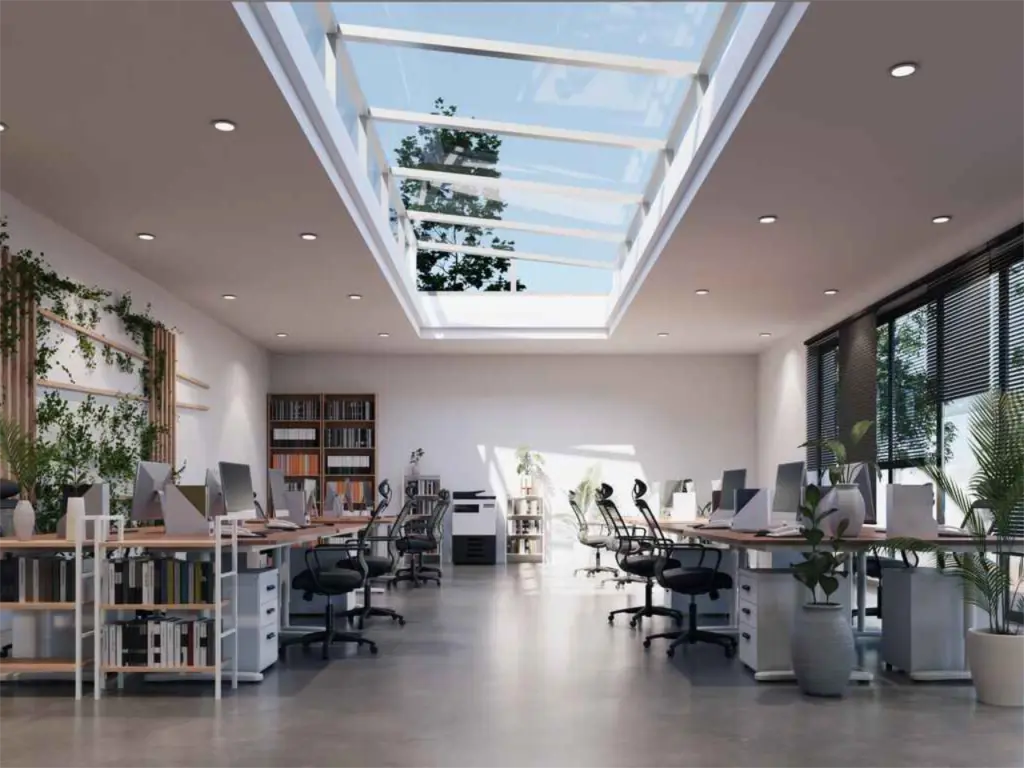
- Natural Light: Sunlight boosts mood and energy levels, contributing to overall well-being. Research indicates that workers with access to natural light report feeling 51% more productive, highlighting the often-overlooked importance of light in workplace design.
- Greenery: Incorporating plants has been shown to increase creativity and reduce stress. Office environments featuring plants can promote a sense of calm and connection to nature, which is increasingly valued in urban settings.
The concept of simplicity extends beyond mere aesthetics. Studies indicate that minimalistic designs can reduce cognitive load and enhance decision-making capabilities. As companies across the United States invest in redesigning their office spaces, understanding how simplicity can transform productivity becomes more relevant than ever. For example, tech giants like Google and Facebook have embraced open, minimalistic workspaces to foster creativity and collaboration among employees.
Exploring the Science of Simplicity
Research reveals that environments promoting simplicity may lead to:
- Higher employee satisfaction levels. Organizations that prioritize minimalist designs are often perceived as more progressive and employee-friendly, which helps attract top talent.
- Improved time management. Clarity in the workspace allows for quicker task completion, as employees face fewer distractions and may find it easier to prioritize their work.
- Enhanced team collaboration. Open, minimalistic spaces encourage communication, as employees are more likely to engage with each other when their surroundings feel less fragmented.
As we delve deeper into these findings, the question arises: How can we apply the principles of simplicity to our own workspaces? The journey to an efficient workspace is just beginning. Start by evaluating your environment—are there items that can be removed or reorganized? Consider investing in multi-functional furniture or incorporating elements of nature to create a more inviting atmosphere. The transformation can be a gradual process, leading to an environment that not only looks appealing but also fortifies productivity and engagement.
DISCOVER MORE: Click here to learn about how tech can declutter your life</
Understanding the Impact of Workspace Design
Creating a workspace that enhances productivity is not just about cleaner surfaces and modern furniture; it’s about a fundamental shift in how we perceive and interact with our environments. The effect of simplicity on productivity extends from individual performance to overall organizational success. By adopting a minimalist approach, companies can cultivate an atmosphere that is conducive to innovation and efficiency.
The Psychological Benefits of Minimalistic Spaces
It’s important to note that a minimalistic design can significantly influence employee mindset. When a workspace is devoid of clutter, it encourages employees to focus on what truly matters. Research indicates that environments emphasizing simplicity lead to:
- Decreased Stress Levels: Clutter can bring about feelings of anxiety, making it difficult for individuals to settle into their tasks. A simple workspace, in contrast, promotes a sense of calm that allows employees to approach their work with a clearer mind.
- Increased Creativity: Studies reveal that simple designs can enhance creative thinking. When the overwhelming distractions of an overly decorated workspace are eliminated, employees can forge connections and think outside the box.
- Enhanced Focus: With fewer visual distractions, employees are more likely to engage deeply with their projects. Research shows that the average worker loses concentration every 11 minutes, but minimalism can curtail the interruption of focus significantly.
Furthermore, incorporating elements of simplicity in workspace design aligns with the growing trend of remote work. Companies are now prioritizing home office setups that reflect similar principles. For instance, a streamlined home office equipped with essential tools, optimal lighting, and comfortable seating can have an equally positive impact on productivity as a well-designed corporate office.
Making Space for Functionality and Ease
Beyond aesthetics, effective workspace design emphasizes functionality. Multi-purpose spaces enable employees to switch between tasks fluidly, enhancing their overall efficiency. Research suggests that the average employee spends 30% of their day searching for tools and resources. Minimalist designs aim to reduce wasted time by ensuring everything has its place and can be accessed easily. As we consider our own environments, it’s crucial to evaluate not only what we keep but how those items contribute to our productivity.
Additionally, companies are increasingly recognizing the value of flexibility within the workspace. By providing adjustable workstations, companies can adapt to the diverse needs of their employees—catering to preferences while maintaining a clean and organized aesthetic. This focus on simplicity and versatility ultimately contributes to a thriving workplace culture where efficiency and creativity flourish.
As we further explore how simplicity can be harnessed in workspace design, it becomes clear that adopting these principles is not merely a trend but a necessity for long-term productivity and employee satisfaction.
| Advantages | Description |
|---|---|
| Enhanced Focus | Simplicity minimizes distractions, enabling employees to concentrate on tasks. A streamlined workspace promotes clarity of thought and intentionality. |
| Increased Efficiency | Simple designs facilitate quicker decision-making and action-taking, leading to improved workflow and productivity levels. Less clutter translates to faster processing of tasks. |
| Improved Well-Being | Calm and clear environments positively impact mental health, reducing stress and enhancing overall job satisfaction for employees. |
| Fostering Creativity | Simple workspaces can inspire innovative thinking by providing a blank canvas for ideas to flourish, ultimately fostering a culture of creativity. |
When applied effectively, simplicity can transform a cluttered workplace into a haven for productivity. The removal of unnecessary components not only helps employees focus but also contributes greatly to their mental clarity. In maintaining a balance between functionality and aesthetic appeal, companies can amplify their output and foster a sense of calm.Moreover, creating spaces that are not only visually appealing but also practical can lead to increased job satisfaction. As various studies have suggested, a direct correlation exists between workspace environment and employee performance. By adopting simple yet effective design principles, businesses have the unique opportunity to cultivate a work culture that celebrates productivity and innovation. In summary, simplicity in workspace design plays a crucial role in enhancing productivity levels through improved focus, efficiency, mental well-being, and creativity. Embrace simplicity and witness the transformation it brings to your organizational environment.
DISCOVER MORE: Click here for insights on decluttering’s effects
The Role of Natural Elements in Simplistic Design
Incorporating natural elements into a workspace can significantly enhance the effect of simplicity on productivity. A growing body of research suggests that exposure to nature, even in a limited capacity, improves mood and cognitive function among employees. Integrating plant life, natural light, and earthy color palettes can create a calming atmosphere that not only complements minimalistic design but actively encourages productivity.
The Science Behind Biophilic Design
Biophilic design, which emphasizes the connection between humans and nature, has gained traction in workspace design. Studies have shown that incorporating natural elements can lead to:
- Improved Air Quality: Plants naturally purify the air by absorbing toxins and releasing oxygen, creating an environment that is healthier for employees. Organizations with higher indoor air quality experience lower absenteeism and higher job satisfaction.
- Increased Focus and Attention: A study published in the Journal of Environmental Psychology found that workplaces featuring views of nature can enhance focus and reduce mental fatigue. This aspect aligns seamlessly with the minimalist philosophy of removing distractions to foster deep engagement with tasks.
- Heightened Creativity: The presence of natural elements can boost creative problem-solving abilities. A study by the University of Illinois revealed that participants exposed to natural settings, whether physically or visually, performed better on creative tasks. This finding suggests that introducing biophilic elements in a simple workspace can be a powerful catalyst for innovation.
To harness these benefits, companies can implement simple changes such as strategically placing potted plants, installing large windows to maximize natural light, or using wood and stone materials in furnishings. The result is an inviting workspace that not only adheres to minimalistic principles but also invigorates the workforce.
Technology: Streamlining Communication and Collaboration
In a world where technology often breeds complexity, finding a balance that emphasizes simplicity can revolutionize workplace productivity. Tools and platforms designed with a no-frills approach can streamline communication and collaboration. By employing software that focuses on task management and project tracking, organizations can eliminate confusion and enhance clarity.
Digital platforms such as Trello and Slack embody simplicity in their interfaces, allowing teams to communicate effectively without getting lost in unnecessary features. This increased focus on essential functions not only saves time but also reduces the cognitive load that often comes with navigating complicated systems.
Moreover, by integrating technology that allows employees to customize their workflows, organizations create a sense of ownership that aligns with minimalism. Employees can tailor their workspaces—both physical and digital—to suit their needs, fostering an environment where productivity thrives.
As the future of work continues to evolve, the importance of simplicity in workspace design becomes increasingly evident. By embracing minimalist strategies alongside the integration of biophilic elements and smart technology, companies are poised to elevate not just productivity levels, but overall employee well-being. Recognizing that these changes are adaptable to various work settings—from traditional offices to remote workspaces—underscores the universal relevance of simplicity in the modern workspace.
DIVE DEEPER: Click here to discover the best decluttering method for you
Conclusion: Embracing Simplicity for Enhanced Productivity
As we have explored, the integration of simplicity into workplace design is more than just a trendy aesthetic choice; it is a strategic approach that can significantly enhance productivity and employee satisfaction. By focusing on minimalistic principles, businesses can create environments that eliminate distractions, encourage meaningful engagement, and promote clarity. The use of natural elements—such as plants and natural light—combined with technology that streamlines communication are not simply decorative or functional choices; they are proven methods to foster a conducive atmosphere for creativity and focus.
Moreover, organizations that prioritize simplicity not only streamline workflows but also empower their employees to take ownership of their workspaces. The adaptability of these minimalist strategies makes them applicable across various work environments, from chic corporate offices to remote home setups. As companies strive to cultivate a culture of productivity, the emphasis on simplicity emerges as a vital consideration in modern workplace design.
Ultimately, by embracing a philosophy that values simplicity, organizations can unlock the full potential of their workforce, driving innovation and success in today’s dynamic business landscape. As we look towards the future, the call to create workspaces that enhance productivity through simplicity and natural integration becomes stronger, inviting leaders to reconsider how their environments can profoundly impact performance and well-being.