The Evolution of Streamlined Furniture: Trends and Innovations in Minimalist Design
Understanding the Shift in Furniture Design
The evolution of furniture design has been profoundly influenced by the shifting dynamics of our lifestyles and environments. With urbanization soaring, population densities increasing, and technological advancements permeating our daily routines, the demand for furniture that meets modern needs has never been higher. The rise of streamlined furniture reflects this change, offering solutions that are not only beautiful but also functional and versatile.
One of the cornerstones of streamlined furniture is its emphasis on simplicity. The design philosophy embraces clean lines and unembellished forms, creating a space that feels open and uncluttered. For instance, a minimalist dining table made from reclaimed wood with thin metal legs exemplifies this principle. It stands in stark contrast to more ornate traditional furniture, drawing attention to the quality of materials rather than excessive decoration.
Another defining characteristic is functionality. Today’s consumers seek designs that adapt to their varied needs, which is particularly important in smaller urban homes. Furniture that serves multiple purposes, such as a sofa bed that transforms into a workspace or a coffee table with hidden storage, not only saves space but also adds tremendous value to everyday living.
The materials utilized in streamlined furniture design are also evolving. There is a significant shift toward using sustainable elements such as responsibly sourced wood, recycled metals, and eco-friendly composites. These innovations are not merely trends; they reflect a growing awareness of the environmental impact of our choices. Designers are now making conscious efforts to select materials that resonate with environmentally conscious consumers, leading to a surge of options that are both aesthetically pleasing and planet-friendly.
Prominent Trends in Streamlined Furniture
As we explore the landscape of contemporary furniture design, several key trends are noteworthy:
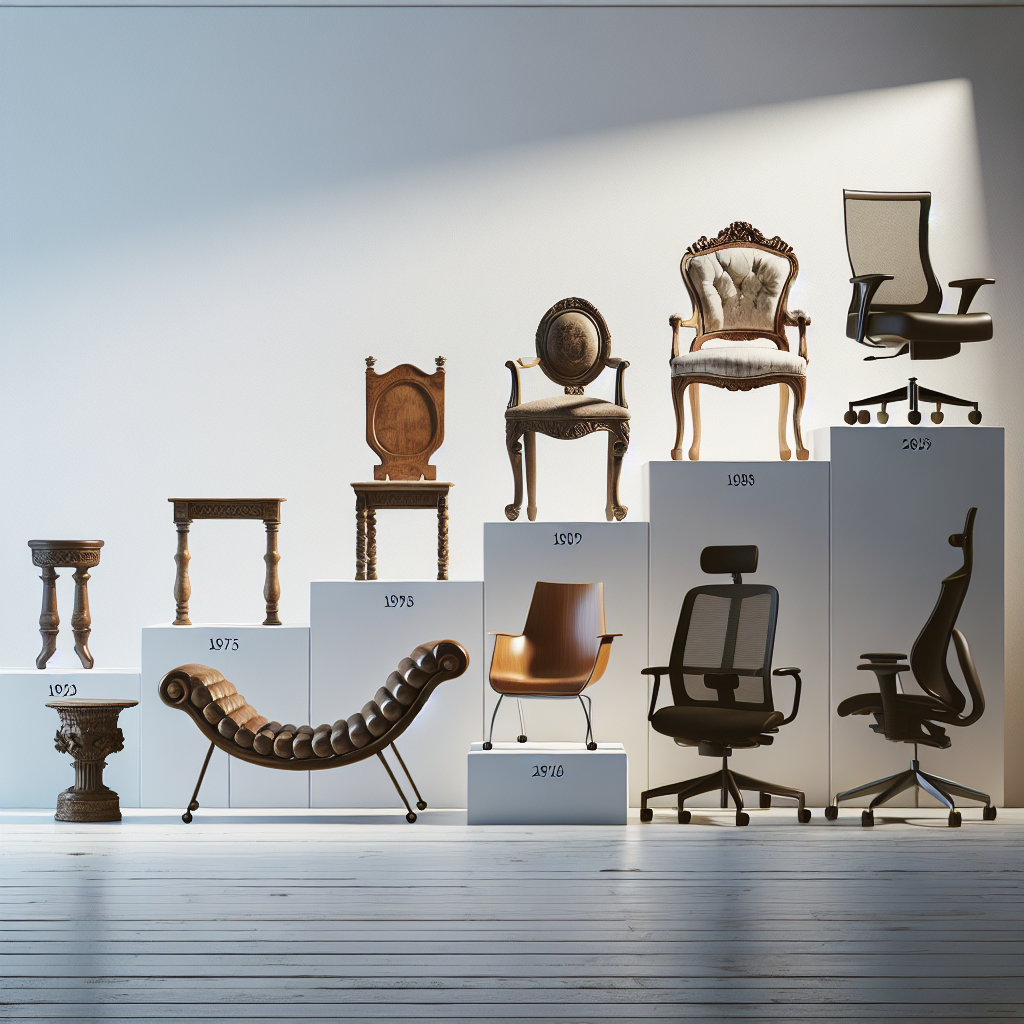
- Smart Furniture: This trend involves the integration of technology into furniture, catering to a tech-savvy generation. For example, desks that incorporate wireless charging pads or smart coffee tables that can control home lighting are becoming favorites among consumers looking for convenience.
- Space-Saving Solutions: Urbanization has prompted the rise of modular and foldable designs which make the most of limited living spaces. Think about wall-mounted desks or extendable dining tables that accommodate guests without hogging precious square footage.
- Biophilic Design: More designers are incorporating natural elements into their creations, inspired by the principles of biophilic design. This approach seeks to connect inhabitants with nature through the use of natural materials, plant integration, and designs that draw in natural light, ultimately fostering a sense of well-being and tranquility.
The shift towards minimalist designs conveys a broader movement in furniture design that goes beyond aesthetics; it signifies a lifestyle choice that champions simplicity, sustainability, and convenience. The exploration of these innovations not only reflects our current preferences but also prompts us to consider how our environments shape our experiences. As we continue to navigate this transformation in furniture design, it will be fascinating to see how these elements evolve and influence our living spaces in the future.
DISCOVER MORE: Click here to find out how to create a harmonious home
The Fusion of Aesthetics and Utility
In recent years, the furniture industry has witnessed a dramatic evolution that melds aesthetics with utility in a seamless fashion. Streamlined furniture serves as a testament to this fusion, meeting the desires of contemporary lifestyles while adhering to the principles of minimalist design. This adaptation is not merely a response to modern aesthetics; it represents a profound shift in consumer values prioritizing simplicity, multipurpose functionality, and environmental consciousness.
As designers embrace streamlined forms, we see a new vernacular emerging that resonates with the ethos of less is more. Where furniture once emphasized grandeur and ornamentation, the current wave focuses on silhouettes that are elegant yet functional. Take, for instance, Scandinavian-inspired furniture, which has gained traction in the United States. Characterized by its lightness of form, natural materials, and a focus on craftsmanship, this design trend reflects a cultural shift towards valuing simplicity without sacrificing quality. The result is spaces that feel open, inviting, and uncluttered, aligning perfectly with the hectic lifestyles of urban dwellers.
This harmonious blend of form and function encourages innovation beyond mere aesthetics. The importance of versatility cannot be overstated, especially in an era where the concept of “home” transforms into multi-functional environments. As a response, designers are constantly experimenting with new configurations and concepts. For example, furniture pieces like the Murphy bed or extendable dining tables allow individuals to maximize every inch of living space, proving that stylish living does not require compromising on comfort or capability.
The significance of materials in streamlined furniture cannot be overlooked either. As consumer awareness about sustainability rises, there is a notable trend towards using eco-friendly materials in design. Many innovators are incorporating elements such as recycled plastics, and sustainably harvested wood, integrating these into designs that are not only functional but also promote a healthier planet. Alongside this, advancements in manufacturing techniques like 3D printing are reshaping possibilities, enabling designers to create unique customizations that fit individual lifestyles.
Influence of Technology and Emerging Trends
The rapid acceleration of technology has also significantly impacted the evolution of streamlined furniture. Recent trends that have emerged include:
- Smart Technology Integration: Furniture that connects with smart home systems has entered the mainstream. For instance, adjustable desks that sync with fitness apps to remind users to stand are becoming increasingly popular among remote workers.
- Modular Systems: Designers are championing modular furniture that can be reconfigured as necessary. This flexibility appeals to consumers seeking to adapt their spaces for various functions without a complete overhaul.
- Pared-Down Color Palettes: Streamlined furniture often features neutral color schemes that promote tranquility. Shades like soft whites, grays, and earth tones are predominant, creating a peaceful ambience ideal for relaxation and focus.
As we delve deeper into the myriad of innovative designs representative of this evolution, it becomes clear that streamlined furniture is not just about minimalism but is also a reflection of a broader lifestyle shift towards intentional living. The road ahead promises even more integration of technology, multi-functionality, and sustainable practices that will redefine how we engage with our environments.
The Evolution of Streamlined Furniture: Trends and Innovations in Minimalist Design
The evolution of streamlined furniture has transformed the way we perceive and interact with our living spaces. Over the years, minimalist design has emerged not just as a visual aesthetic but as a lifestyle choice that emphasizes simplicity and functionality. As urban dwellings become increasingly compact, the demand for furniture that maximizes both space and style has surged, fueling innovative trends.
Presently, we are witnessing furniture that combines eco-friendly materials and smart technology. Innovations in materials like bamboo and recycled plastics not only lessen environmental impact but also introduce durability and sleekness to designs. Furthermore, the integration of technology, such as built-in charging stations and multifunctional pieces, caters to the needs of modern living.
Additionally, the soft curves and organic forms prevalent in contemporary minimalist furniture mark a shift away from the rigid, industrial styles of the past. This trend not only enhances comfort but also fosters a warm, inviting atmosphere. As designers push the boundaries of ergonomics and aesthetics, we see pieces that are not just functional but are also sculptural works of art.
To further explore the myriad benefits and features that define this evolution in minimalist design, let’s delve into the specifics of streamlined furniture trends.
| Category | Description |
|---|---|
| Sustainable Materials | Innovative use of eco-friendly resources like bamboo and reclaimed wood. |
| Smart Furniture | Integration of tech features such as charging ports and adjustable functionalities. |
This table highlights key aspects of streamlined furniture that are shaping modern living environments. The intriguing interplay between sustainability and technology is drawing attention towards a future where design meets practicality and environmental consciousness. As this trend continues to unfold, further examination reveals a world of possibilities that await discovery.
DISCOVER MORE: Click here to learn how to streamline your family spaces
The Role of Customization and Personalization
As the demand for streamlined furniture evolves, so does the desire for customization and personalization. Consumers today are not just passive buyers; they seek pieces that reflect their individuality and cater to their specific needs. This trend has led to a rise in offerings that allow customers to tailor colors, materials, sizes, and configurations to fit their unique spaces. Leading manufacturers have adopted interactive online platforms where consumers can visualize their designs, bridging the gap between user experience and product creation.
The shift towards customized furniture resonates particularly well with the younger generations, who prioritize authenticity and self-expression. Brands are responding to this need by introducing services that provide bespoke options, from choosing the type of upholstery to selecting the final finishes on wooden surfaces. For instance, the company BenchMade Modern enables customers to select quintessential design elements, thereby providing a canvas for individual creativity while enhancing the streamlined aesthetic.
This move towards personalization also finds a parallel in the trend of DIY furniture. More consumers are embracing the DIY culture, opting to create their furniture from kits that blend modern designs with personal touches. This hands-on approach allows individuals to craft elements that are not only functional but also deeply personal, capturing a piece of their history within their living spaces.
Sustainable Innovations in Streamlined Design
Another pivotal aspect shaping the future of streamlined furniture is the intersection of sustainability and design innovation. Brands are acutely aware of the environmental impact of their materials and production methods, and many are making conscious choices to fuse eco-friendliness with appealing design. Notably, furniture makers are investing heavily in sustainable materials such as bamboo, reclaimed wood, and organic textiles, offering consumers options that are both stylish and environmentally responsible.
Innovators are also rethinking manufacturing processes to reduce waste and energy consumption. For example, techniques like modular design not only facilitate easy assembly but also enable manufacturers to optimize resource usage, thereby minimizing their carbon footprints. Additionally, labels like FSC (Forest Stewardship Council) certification have become essential markers for ethical sourcing, gaining importance among consumers who prioritize sustainability.
The Rise of Collaborative Spaces
The transition to more open and flexible living spaces has influenced the design of streamlined furniture profoundly. With the rise of remote work and collaborative environments, there is an evident need for pieces that adapt seamlessly to both solitary tasks and shared activities. Furniture designers are increasingly developing multi-use solutions, like convertible sofas that easily transition from lounging to workspaces.
In commercial settings, design trends reflect the need for collaboration. Open-plan offices are now outfitted with versatile communal tables and comfortable seating arrangements that promote interaction, embodying the very spirit of minimalism through their uncluttered layouts and multipurpose functionalities. Industry leaders recognize that effective workspaces require furniture that not only serves a function but also aids in promoting a creative exchange of ideas.
As we continue to navigate a rapidly changing landscape, the future of streamlined furniture remains bright. Emphasizing customization, sustainability, and adaptability, this trend encapsulates a departure from traditional norms, positioning itself at the forefront of modern design. With every innovation, these furnishings promise to enhance not just our spaces, but also our lives.
DISCOVER MORE: Click here to delve deeper
Conclusion: The Future of Streamlined Furniture Design
In summary, the evolution of streamlined furniture reflects a profound transformation influenced by the principles of minimalist design, sustainability, and consumer demands for personalization. As we navigate a more complex world, the simplicity and functionality of minimalist aesthetics not only resonate with our lifestyles but also enhance our living spaces. The trend of customizable pieces empowers consumers to reflect their unique identities while fulfilling practical needs, merging creativity with functionality.
Moreover, the emphasis on sustainable innovations reveals a growing consciousness towards eco-friendly practices within the furniture industry. By leveraging renewable materials and responsible manufacturing processes, designers are aligning contemporary needs with ethical values, ensuring that our choices contribute positively to the environment.
Lastly, in response to the demand for collaborative and flexible living and working spaces, the furniture design landscape continues to adapt, offering modular and multifunctional solutions. This evolution paves the way for future innovations that promise not only aesthetic appeal but also adaptability to diverse lifestyles.
As we explore the patterns and possibilities of streamlined furniture, it becomes clear that its future is bright, rooted in sustainability, and driven by user-centric design. Embrace this journey of innovation as we discover how these minimalist pieces can elevate our everyday experiences and redefine our spaces, one stunning design at a time.