The Future of Streamlined Spaces: Predictions for Minimalist Design Trends in the Next Decade
The Future of Design in Urban Living
The world of design is continually evolving, particularly in urban environments where space is often limited. As we move into the next decade, minimalist design trends are poised to dominate the way we create our living spaces. As urban living becomes not just more desirable but often a necessity, embracing functionality, sustainability, and simplicity will be essential to creating homes that enhance our quality of life.
One of the anticipated trends is biophilic design, which focuses on integrating nature into interior spaces. This approach seeks to foster a deeper connection between individuals and the environment, with examples ranging from incorporating indoor gardens and living walls to using natural light strategically. Studies have shown that exposure to natural elements can significantly improve well-being, reduce stress levels, and even boost productivity, making it a vital consideration for future designs.
Another significant development is the rise of multi-functional furniture. As urban dwellings shrink in size, transforming how we utilize space becomes crucial. Furniture that serves multiple purposes, like a sofa that converts into a bed or a coffee table that doubles as a storage unit, allows residents to maximize their limited square footage. Innovative designs such as expandable dining tables and wall-mounted desks will cater to the evolving needs of urban dwellers, promoting adaptability without compromising aesthetic appeal.
In addition to these practical considerations, the selection of eco-friendly materials is becoming crucial. As awareness of the environmental impact of design choices grows, consumers are increasingly seeking sustainable alternatives. From reclaimed wood to recycled metals and organic textiles, designers are exploring materials that not only look good but also support environmental stewardship. Brands are now prioritizing transparency in sourcing, allowing consumers in the United States to make informed choices about the sustainable options available to them.
Furthermore, the integration of technology within minimalist design is set to revolutionize home living. Smart home features such as voice-activated assistants and automated lighting systems will enhance efficiency while reducing clutter. Imagine a home that automatically adjusts its temperature based on your schedule or a lighting system that shifts to mimic natural daylight. These advancements can simplify daily routines, making life easier and more organized while embracing a minimalist ethos.
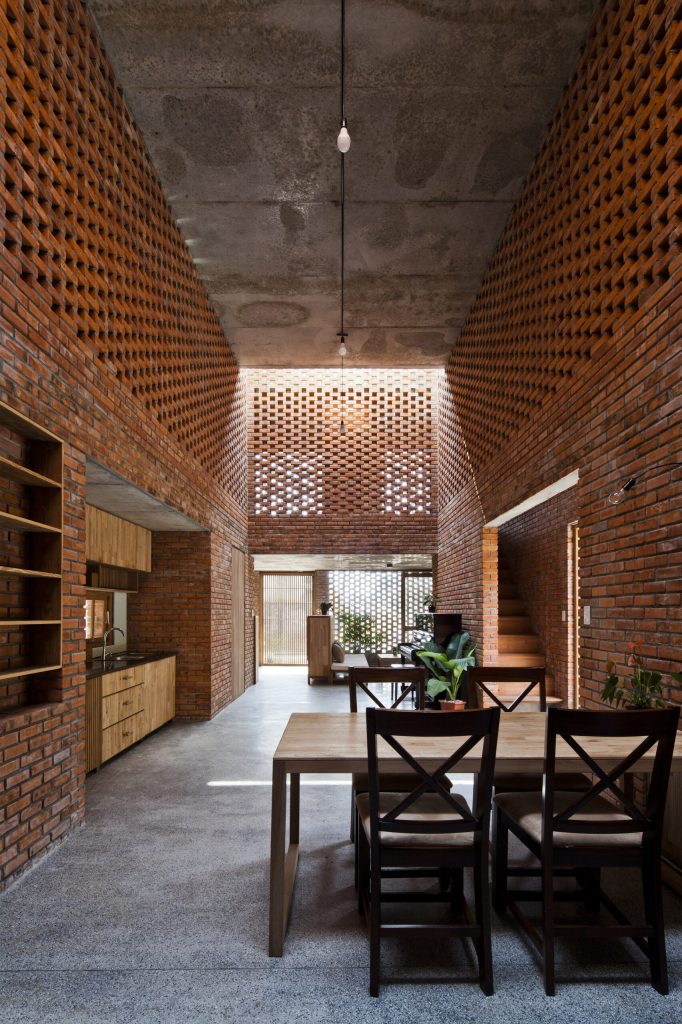
As we strip away the excess in our environments, the ultimate aim is to create spaces that are not only visually appealing but also conducive to mental clarity and peace of mind. The upcoming decade will redefine our relationship with our surroundings, challenging the ways we interact with our homes and our belongings. By embracing these trends, urban dwellers and design enthusiasts alike will find a renewed sense of purpose and connection in their living spaces.
Join us as we delve deeper into the future of streamlined spaces, exploring how minimalist design can transform urban living into a more harmonious experience.
DISCOVER MORE: Click here to dive deeper
Key Components Shaping Minimalist Design
As we venture deeper into the next decade, the trajectory of minimalist design is influenced by various emerging trends and technologies. To fully grasp what the future holds for streamlined spaces, it’s essential to understand the fundamental components that will define this movement. Here are several key elements poised to transform how urban dwellers experience their environments:
- Smart Integration: Technology will play a pivotal role in minimalist design, facilitating a seamless interaction between the user and their spaces. Connected devices that manage lighting, temperature, and even security will continue to gain acceptance. Through smart home systems, residents can command their environments with ease, virtually eliminating clutter while enhancing functionality.
- Multi-Use Zones: The idea of designated spaces is evolving. With the rise of open-concept living, homes are increasingly designed to accommodate multiple activities within a single area. This trend not only fosters a sense of community and interaction among household members but also optimizes limited square footage, making each inch of space more valuable.
- Emphasis on Quality Over Quantity: As more individuals gravitate toward minimalism, there will likely be a shift in consumer attitudes towards ownership. Investing in fewer, but higher-quality items that are built to last will take precedence over acquiring numerous, less impactful objects. This notion aligns with the ethos of minimalism, which emphasizes simplicity and intentionality.
- Nature-Inspired Color Palettes: Alongside biophilic design, color trends will also focus on soothing, earthy tones. Shades of green, soft browns, and muted blues will echo the elements of nature, promoting tranquility within urban environments. Spaces designed with these palettes will evoke a sense of calm, marrying beauty with a minimalist approach.
As the demand for sustainable living grows, individuals will increasingly favor eco-conscious materials in their homes. These choices are not merely driven by aesthetic preferences—they also reflect a broader commitment to environmental responsibility. Expect to see a greater presence of sustainably sourced wood, low-VOC paints, and biodegradable textiles that contribute positively to both the home and the planet.
In conjunction with these trends, the rise of flexible living environments will foster adaptability, permitting residents to modify their space based on lifestyle shifts or evolving personal needs. Modular furniture designs that can be easily reconfigured will become a standard offering, ensuring that homes are dynamic rather than static.
The convergence of these factors paints an intriguing picture for the future of minimalist design. Urban living spaces will transform into their own sanctuaries, providing an oasis within the bustle of city life. As we continue to explore how these elements influence our surroundings, the profound impact of minimalist strategies on well-being, functionality, and sustainability will become increasingly evident.
As the realm of design evolves, minimalist aesthetics continue to captivate audiences, promising preservation through adaptability and sustainability. The concept of multi-functionality will become a vital aspect in minimalist interiors, allowing individuals to maximize space without overcrowding. With the rise of innovative technology, furniture that serves multiple purposes will become more prevalent, encouraging owners to embrace versatility while simplifying their environments. For instance, modular furniture systems designed to adapt to various needs will appeal to environmentally conscious consumers looking to make a lasting investment.Moreover, an emphasis on natural materials will dominate future minimalist trends. Materials like bamboo, cork, and reclaimed wood not only minimize environmental footprints but also introduce organic textures that break the starkness often associated with minimalist designs. Consumers are likely to seek out pieces that create a connection to nature, thereby fostering a sense of tranquility within their streamlined spaces.In line with these trends, technology will seamlessly integrate into design, making smart homes a reality. Home automation systems are on track to enhance minimalist spaces by controlling lighting, temperature, and security through intuitive interfaces. This evolution caters to the modern lifestyle, where convenience and efficiency reign supreme. The shift towards sustainable technology means that tomorrow’s homes will operate more effectively and with lower energy consumption, reflecting a broader societal commitment to environmental responsibility.The movement towards biofilic design – where nature influences every design phase – will gain traction as the next decade unfolds. This approach allows for a harmonious balance between indoor and outdoor environments, utilizing windows, skylights, and even vertical gardens to breathe life into minimalist structures. Such consciously designed spaces will not only elevate aesthetic appeal but also enhance mental well-being, ultimately leading to healthier lifestyles.As we look forward, the frameworks of functionality, eco-friendliness, and technology integration will ensure that minimalist design remains not only relevant but also influential in shaping our living environments for generations to come. The future is bright for those seeking inspiration through streamlined solutions that reflect an evolving understanding of both beauty and utility.
DIVE DEEPER: Click here to discover more
The Emergence of Minimalist Design and Wellness
As we witness the ongoing intersection between minimalist design and wellness, the next decade promises to marry aesthetics with psychological benefits. In urban settings, where stress levels often soar, designers are increasingly recognizing that a well-structured, clutter-free environment can dramatically influence residents’ mental health. Thus, expect to see a continued emphasis on creating spaces that not only look good but also enhance emotional well-being.
Flexible Design for Mental Clarity is also being recognized as a crucial component of streamlined spaces. Researchers have found that environments devoid of excessive stimulation contribute to improved focus and tranquility. Therefore, designers may lean towards spaces that employ an intentional design strategy, where each element serves a purpose, and excess is eliminated. Simplicity will yield clarity, enabling occupants to engage more mindfully with their surroundings.
Moreover, the integration of natural light in minimalist design will take center stage. Biophilic design—an approach focused on incorporating natural elements into built environments—will become more prevalent. Large windows, skylights, and open layouts that invite daylight will be championed for their transformative ability to make spaces feel larger and more inviting. It is well documented that natural light improves mood and energy levels, prompting residential and commercial spaces alike to embrace designs that celebrate daylight.
Adaptable Workspaces will further inform how minimalist design evolves, especially as remote work continues to gain traction. The standard office setup will morph into more flexible configurations; homes will gradually adapt to accommodate work-life integration. Innovative designs will include built-in workstations that can be concealed when not in use, allowing for a clean aesthetic during leisure time. This approach not only maximizes space but also maintains the principles of minimalism while addressing functional necessity.
Exploration of Textural Minimalism
As the palette shifts towards earth-tones and organic materials, an exciting trend will also emerge around textural minimalism. Instead of relying solely on color to create visual interest, designers will focus on the interplay of materials and textures. Expect a rise in the use of natural fibers, rough-hewn woods, and polished metals blended harmoniously, portraying a refined yet understated elegance. This evolution invites homeowners to engage more deeply with their environments, understanding the tactile aspects of spaces they inhabit.
Additionally, the socio-political climate will influence minimalist architecture and design. With a growing emphasis on social justice and environmental equity, architects and designers may pursue projects that prioritize sustainability while ensuring access to beautiful, minimalist environments for all socio-economic groups. This shift can lead to partnerships with local communities, fostering inclusive design that celebrates not only personal aesthetic choices but also cultural expressions.
Finally, as the collaborative spirit of the design industry evolves, global design influences will shape minimalist expressions in thought-provoking ways. As designers and architects draw inspiration from diverse cultural backgrounds, they will innovate on traditional minimalist principles, establishing a new vernacular that resonates with varied lifestyles. The future of minimalist design may embody a synthesis of simplicity and narrative—where each space tells a unique story reflective of its inhabitants.
DISCOVER MORE: Click here to find out how technology enhances minimalist living
Conclusion: Embracing a Harmonious Future
The future of streamlined spaces lies in a delicate balance between aesthetics and functionality, weaving minimalist design trends into the very fabric of our daily lives. As we look to the next decade, a notable departure from traditional aesthetics will allow designers to prioritize mental well-being, sustainable practices, and cultural narratives. This evolution underscores a significant shift where less truly becomes more.
In embracing wellness, designers will create environments that nurture mental health, promoting clarity and tranquility within our increasingly chaotic urban frameworks. The integration of natural light through biophilic principles will not only beautify our spaces but also enhance energy levels, creating a more inviting atmosphere in both homes and workplaces. As remote work continues to redefine how we function, we can anticipate adaptable workspaces that seamlessly blend productivity with leisure, reflecting our evolving lifestyles.
The rise of textural minimalism, rooted in natural materials, will invite a sensory experience that deepens our connection with our surroundings. Coupled with a growing commitment to inclusive design influenced by socio-political dynamics, the architect’s role will expand to embrace sustainability and social equity, paving the way for beautiful environments accessible to all.
Thus, as we journey into this new era, the confluence of global design influences will cultivate a rich tapestry of minimalist expressions, urging us to explore and appreciate the simplicity of living thoughtfully. The future of minimalist design is not merely about empty spaces; it is about creating meaningful experiences that resonate with the stories we tell and the lives we lead.