
The Impact of Music on Mental Health: How Musical Practice Can Help
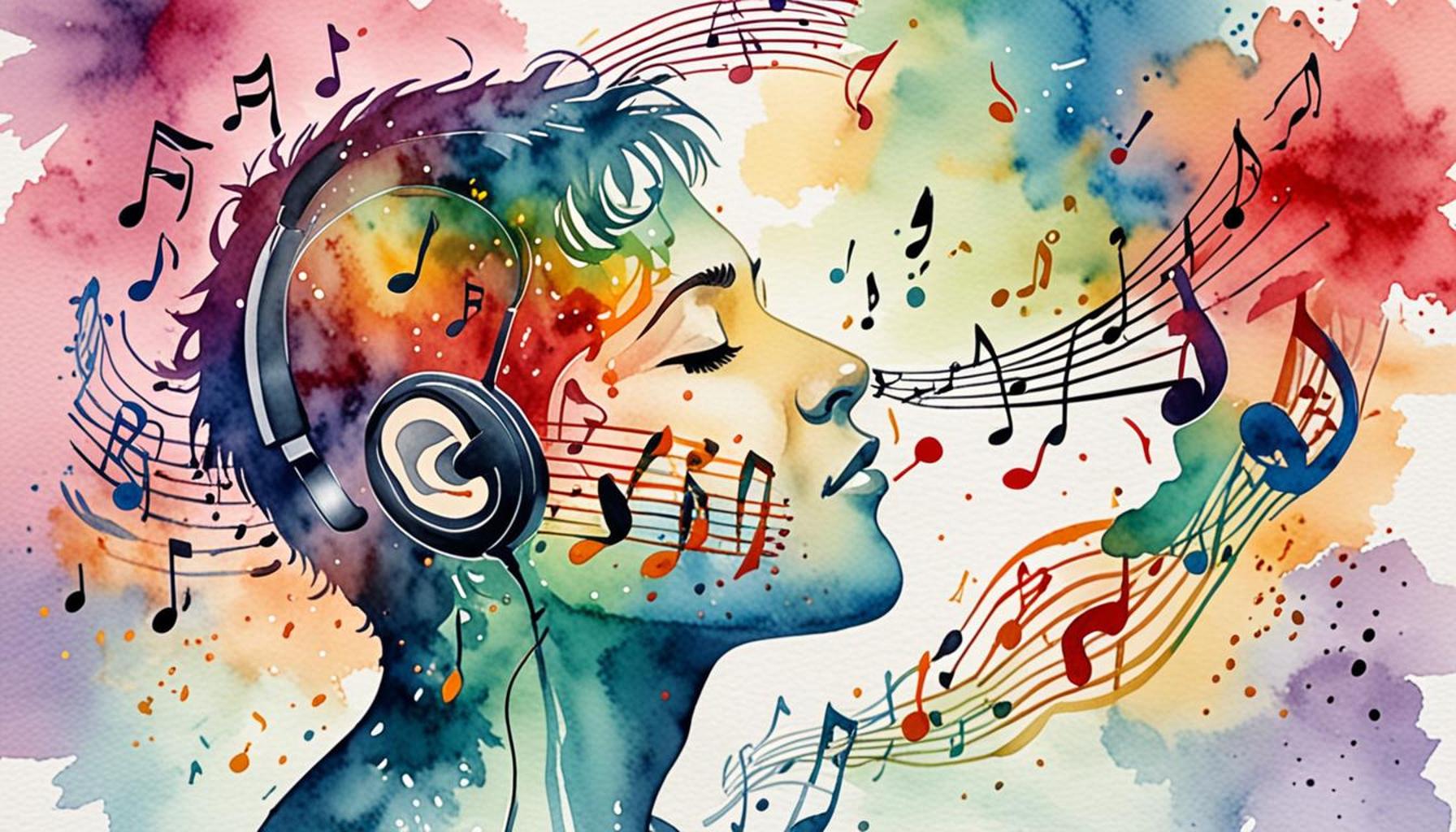
The Role of Music in Emotional Well-being
Music transcends mere entertainment, acting as a catalyst for enhancing mental health. The intricate relationship between musical engagement and emotional wellness is supported by a robust body of research, unveiling how music can be potent in alleviating various psychological challenges.
- Reduces Anxiety: Studies have shown that listening to calming music can lower levels of cortisol, a hormone associated with stress. For instance, a study published in the Journal of Advanced Nursing found that participants who listened to soothing music before undergoing surgery experienced significantly reduced anxiety levels. Music is used in various settings, such as hospitals or wellness programs, to create a soothing environment.
- Improves Mood: Engaging with music stimulates the brain’s reward center, leading to increased production of serotonin and endorphins, the chemicals responsible for feelings of happiness and well-being. In fact, research published in the Journal of Positive Psychology highlights how participants who incorporated music into their daily routines reported higher levels of life satisfaction and emotional resilience.
- Enhances Cognitive Function: Learning to play an instrument not only nurtures creativity but also improves cognitive skills. Studies indicate that children who engage in music education perform better in subjects like math and language arts. The correlation between musical training and improved brain processing speed can have lifelong benefits, sharpening cognitive function well into adulthood.
Engaging with music goes beyond passive listening; active participation can be therapeutic and constructive. Learning an instrument, singing, or joining a choir can help individuals express emotions that are often hard to articulate. This is particularly evident in group settings where communal music-making fosters connection and empathy.
- Fosters Creativity: Activities like songwriting and improvisation not only serve as outlets for emotional expression but also encourage deeper self-exploration. Musicians often describe their creative processes as foundational to their emotional health, deriving catharsis from their work.
- Builds Community: Music groups, whether they are local bands, choirs, or orchestras, create a sense of belonging and camaraderie. Participating in collective music-making can build lasting friendships and support networks, elements crucial for emotional well-being.
- Helps with Trauma Recovery: Music therapy is increasingly recognized as a vital tool in treating patients with PTSD and other trauma-related conditions. Therapy sessions involving music can help individuals process their trauma in a safe, supportive environment. According to the American Music Therapy Association, music therapy can facilitate communication and expression, bridging the gap for those struggling with emotional pain.
As we delve deeper into the intricate relationship between music and mental health, it becomes clear that incorporating music into our lives can reshape our emotional well-being. From reducing anxiety and improving mood to fostering creativity and community, the implications of musical engagement are profound. As research continues to unveil the benefits of music, individuals and practitioners alike are encouraged to explore the multifaceted role music can play in promoting personal wellness.
DISCOVER MORE: Click here to enhance your plating skills
The Therapeutic Power of Active Musical Engagement
While listening to music has proven benefits, active musical engagement—such as playing an instrument, singing, or participating in a musical ensemble—adds another layer to the positive impacts on mental health. This interactive component fosters not only personal development but also communal connections that enhance emotional well-being.

Harnessing the Benefits of Instrumental Learning
Learning to play an instrument, for instance, can be a deeply fulfilling journey and is correlated with numerous mental health benefits. Engaging in regular practice enhances discipline and patience, qualities that are often transferable to other areas of life. Children who undergo musical training have been shown to exhibit improved concentration and memory skills, which can translate into academic success. According to research conducted by the University of Southern California, students involved in music education performed 20% better on standardized tests compared to their peers.
Elevating Emotional Expression Through Singing
Singing, too, has been revealed as an exceptional outlet for emotional expression, serving as both a personal and shared activity. Numerous studies highlight how singing can boost mood and reduce feelings of depression. The act itself triggers the release of feel-good hormones, such as oxytocin, contributing to a sense of bonding amongst participants. In settings like community choirs or singing groups, this communal aspect can create a nurturing environment where individuals share experiences and support one another.
The Evidence of Music in Therapy
As music therapy gains traction, its efficacy in treating various mental health issues cannot be overlooked. Music therapists apply structured methods, utilizing musical activities to promote emotional release and stress reduction among their clients. The American Psychological Association notes that patients undergoing music therapy for conditions such as depression, anxiety, and PTSD have experienced significant improvements, demonstrating music’s unique ability to address complex emotional experiences. Some therapists incorporate songwriting as a means of expressing emotions that may otherwise remain unspoken, allowing patients to communicate their feelings through creative outlets.
Building a Musical Community
Beyond individual benefits, music acts as a catalyst for community building. Various organizations in the United States harness this potential by creating opportunities for music engagement that foster community spirit and connection. Programs like free community concerts, local music festivals, and music workshops not only celebrate artistic expression but also encourage individuals to come together, reducing feelings of isolation. The engagement in such programs has been shown to dramatically increase self-esteem and overall happiness among participants, highlighting music’s role as a unifying force.
As we explore the far-reaching impact of music on mental health, it becomes evident that both passive and active musical experiences possess the unique ability to enhance emotional well-being. From boosting individual confidence through instrument learning to cultivating social ties through group singing, the transformative power of music is waiting to be harnessed.
| Category | Advantages |
|---|---|
| Emotional Expression | Musical practice offers a unique outlet for emotional expression, allowing individuals to convey feelings that may be difficult to articulate in words. This creative process can significantly enhance emotional release and foster a deeper understanding of one’s emotions. |
| Cognitive Benefits | Learning and practicing music engages various parts of the brain, thereby boosting cognitive functions such as memory, attention, and problem-solving skills. These enhancements support overall mental health and cognitive resilience, showcasing music’s vital role in psychological well-being. |
Music not only brings joy but serves as an important tool for enhancing mental health. For instance, engaging in musical activities can lead to enhanced community connection, providing a sense of belonging and reducing feelings of loneliness. Furthermore, studies have indicated that participation in group music-making can release oxytocin, the hormone associated with bonding, further exemplifying the social benefits of musical practice. Additionally, consistent musical engagement has been linked to lowering instances of anxiety and depression. Through rhythmic and melodic structures, individuals often find comfort and relief from stress, contributing to a calmer mental state. Moreover, music can act as a form of therapy, enabling individuals to process trauma and develop coping mechanisms in a safe environment. The journey into musical exploration opens doors to personal growth, self-discovery, and emotional healing that can profoundly affect mental wellness, making it a compelling subject worthy of further investigation.
DIVE DEEPER: Click here to discover the emotional benefits of journaling
Music as a Tool for Mindfulness and Relaxation
In today’s fast-paced world, where stress and anxiety levels are on the rise, music has emerged as a powerful ally in promoting mindfulness and relaxation. Engaging with music can serve as a meditative practice, allowing individuals to escape from daily anxieties and focus on the present moment.
The Connection Between Music and Mindfulness
Research indicates that playing or listening to music mindfully can significantly reduce stress. A study published in the journal Psychological Science revealed that individuals who practiced mindfulness through music reported lower cortisol levels, the hormone associated with stress. This form of active listening—not just hearing but truly immersing oneself in the music—can create a state of calm where one becomes fully attentive to the sounds, inducing relaxation.
Moreover, engaging with music during moments of distress offers a viable coping mechanism. For instance, individuals facing anxiety often turn to their favorite tunes to mitigate negative emotions. The familiarity of specific songs can evoke powerful emotional responses, allowing listeners to navigate their feelings and find solace in sound.
Enhancing Cognitive Function Through Musical Activity
Active participation in music, such as joining a band or orchestra, boosts not only emotional health but cognitive function as well. Music has been linked to improvements in neurological pathways, enhancing overall brain function. For example, a study at the University of Vermont found that individuals who participated in continuous musical activities experienced increased connectivity in brain regions associated with executive function and auditory processing.
Playing an instrument demands coordination, concentration, and multitasking, providing a comprehensive workout for the brain. Therefore, individuals who are musically active often show enhanced skills in problem-solving, memory retention, and creative thinking, attributes essential for success in various life pursuits, including academics and professional environments.
The Role of Music in Healing and Rehabilitation
Music therapy has found an invaluable place in rehabilitation settings, particularly for those recovering from trauma or major surgery. Its application in medical contexts is backed by compelling evidence demonstrating its capacity to ease pain and enhance recovery. According to a systematic review published in the journal Pain, patients who listened to music post-surgery reported lower pain levels and anxiety, connecting the auditory experience directly to enhanced healing.
Furthermore, for individuals suffering from neurological diseases such as Alzheimer’s or Parkinson’s, music can evoke memories and improve cognitive function, illustrating its potential to address the challenges associated with neurodegenerative disorders. Many caregivers employ music reminiscing sessions to foster connections with patients, often resulting in positive emotional responses and improved social interactions.
Empowering Individuals Through Songwriting
Another powerful aspect of music as a therapeutic avenue is through songwriting. This creative expression enables individuals to articulate thoughts and emotions that might otherwise remain unexpressed. Programs targeting at-risk youth and those in recovery settings incorporate songwriting as a healing method, allowing participants to explore their inner turmoil and channel their experiences into creative works. This process fosters a sense of ownership over one’s narrative, encouraging individuals to reclaim their stories through music.
The therapeutic implications of music stretch far beyond mere enjoyment; they represent a profound avenue for emotional growth, cognitive enhancement, and community building. As more individuals recognize these benefits, the integration of music into mental health care and personal well-being strategies continues to expand, promising newfound hope and healing through the universal language of music.
DISCOVER: Click here to learn about the stress-relief benefits of music making
Conclusion: The Transformative Power of Music on Mental Health
In summary, the profound effects of music on mental health are becoming increasingly evident in both scientific research and everyday practice. Music serves as a multifaceted tool for enhancing emotional well-being, cognitive function, and social connections. Whether through active participation in musical activities, mindful listening, or therapeutic songwriting, individuals can tap into music’s unique ability to promote healing and personal growth. Research suggests that music therapy can not only alleviate symptoms of anxiety and depression but also aid in recovery from physical ailments. As we strive to address the rising mental health challenges faced by many in our modern society, integrating music into therapeutic practices holds great promise.
Moreover, embracing musical practices can foster a deeper understanding of our emotions and improve our interpersonal relationships. As programs continue to emerge across various communities, including schools and rehabilitation centers, the potential of music to transform lives is undeniable. It empowers individuals by offering them a voice and a means to navigate their inner worlds.
As we move forward, it is essential to continue exploring and advocating for the use of music in mental health initiatives. By recognizing music’s ability to inspire resilience and foster emotional healing, we can pave the way for innovative treatments and support systems that honor the unique connection we all share with this universal language. Music is not merely an art form; it is a vital component of our emotional and psychological well-being, resonating deeply within us all.