
The Influence of the Seasons: How Seasonal Changes Inspire New Approaches in Cooking
The Transformative Power of Seasonal Cooking
The culinary landscape is a rich tapestry painted by the seasons. As winter fades into spring, our plates brim with fresh possibilities, resonating with the rhythm of nature’s cycles. The evolution of seasons invites both seasoned chefs and budding home cooks to explore new horizons in their culinary endeavors. It’s a journey that not only delights the palate but also reconnects us to the environment around us.
Ingredients: The Heart of Seasonal Cooking
Fresh produce, meats, and herbs are deeply affected by seasonal changes, with each season offering unique ingredients that dictate the character of our meals. For instance, spring heralds the arrival of tender asparagus, bright radishes, and fragrant herbs like mint and basil. These ingredients allow for vibrant salads and light dishes that are a stark contrast to winter’s offerings. As summer approaches, farmers’ markets overflow with juicy tomatoes, sweet corn, and luscious berries, inspiring recipes for fresh salsas and fruit tarts. Conversely, autumn brings a bounty of root vegetables—think carrots, beets, and squash—that lend themselves beautifully to hearty soups and roasts.
Techniques: Adapting Cooking Methods
The season not only shapes the ingredients available but also influences the cooking techniques we utilize. In summer, the weather is ripe for grilling and outdoor barbecues, with charred meats and grilled vegetables becoming the centerpiece of seasonal gatherings. In contrast, as temperatures drop in winter, many find comfort in slow cooking. A warm stew simmering on the stove can evoke feelings of coziness, turning meals into cherished rituals shared with family and friends. Techniques evolve alongside ingredients, encouraging cooks to explore versatile cooking methods that mirror the changing climate.
Festivities and the Essence of Nostalgia
Seasonal holidays offer another lens through which to view our culinary journeys. Thanksgiving, often centered around the harvest, features traditional dishes such as roast turkey and cranberry sauce, which evoke a sense of nostalgia and cultural identity. Similarly, summer festivities spark a desire for fresh salads and barbecued items, creating memorable gatherings filled with laughter and sunshine. These traditional meals create lasting memories and cultural ties that shape our relationship with food.
Exploring New Culinary Horizons
As we adjust to the seasonal shifts, we unlock a treasure trove of new recipes and cooking styles. The adventure of seasonal cooking encourages us not only to experiment in the kitchen but also to support local agriculture by sourcing ingredients from farmers’ markets and community-supported agriculture (CSA) programs. This practice not only enhances the flavor profiles of our meals but also fosters a deeper connection to the sources of our food.
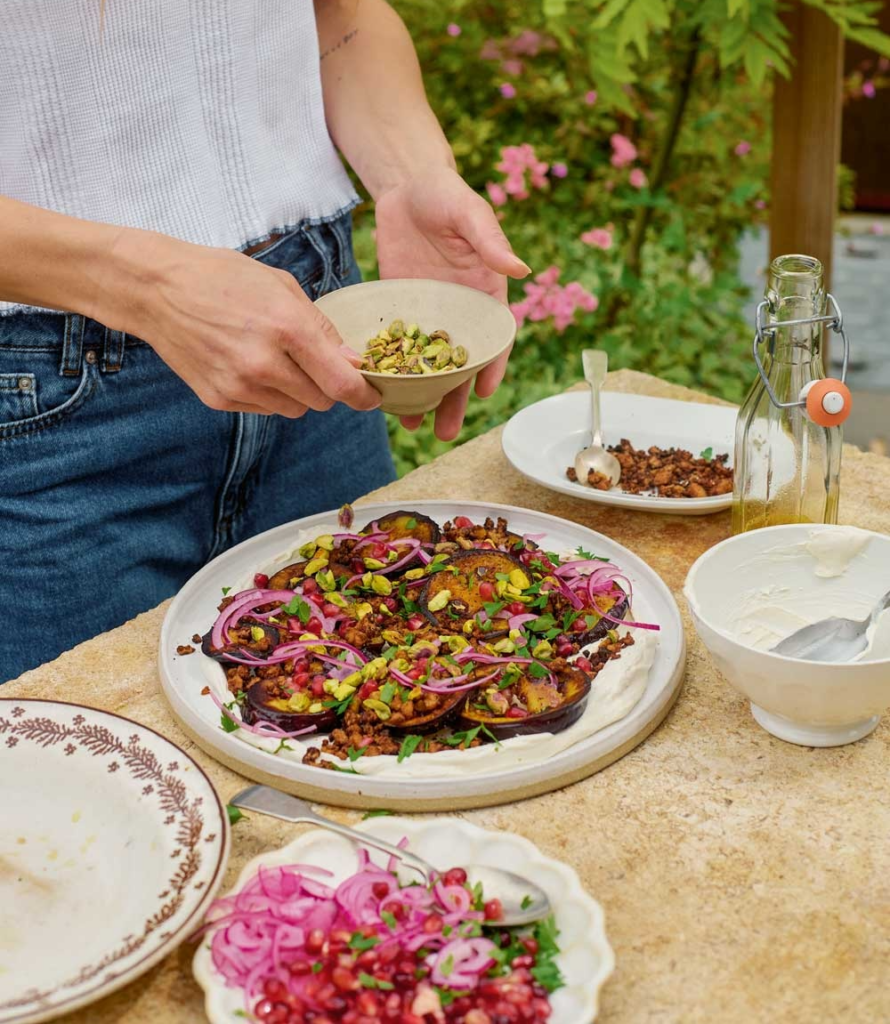
Have you ever considered how summer’s abundance of ripe tomatoes inspires fresh salsas or how fall’s harvest calls for comforting stews? Each dish can be a reflection of the season, encapsulating its essence. Joining in this seasonal culinary dance not only enhances our cooking but also enriches our connection to food, nature, and the communities we live in. Embrace the seasons, and let your palate reflect the diverse and dynamic world around you.
DISCOVER MORE: Click here to dive deeper
Embracing Seasonal Ingredients
Seasonal cooking is rooted in the fact that nature provides a diverse array of ingredients throughout the year, each suited to the specific conditions of its time. By embracing these seasonal ingredients, cooks across the United States can create dishes that are not only more flavorful but also more nourishing. Local farmers and markets play a pivotal role in assisting home cooks in rediscovering these fresh offerings, making it easy to celebrate each season’s bounty in our kitchens.
The Spring Awakening
As nature awakens from the slumbers of winter, spring brings a rush of vitality that permeates not only the landscape but also our culinary routines. In this season, we see the emergence of crisp greens, bright herbs, and tender vegetables that inspire a shift towards lighter cooking styles. Seasonal favorites like asparagus, peas, and ramps can be quickly sautéed, allowing their bright flavors to shine through. Additionally, the arrival of strawberries signals a shift towards refreshing desserts that encapsulate the essence of spring’s sweetness.
Summer’s Abundant Harvest
Summer is characterized by an explosion of flavors as gardens and fields yield a cornucopia of fruits and vegetables. During this time, it is common to find dishes featuring ripe tomatoes, peppers, eggplants, and cucumbers, all of which are not only plentiful but offer diverse culinary opportunities. The long days and warm evenings allow for outdoor grilling, where richness meets freshness—think grilled corn salads or charred peaches with yogurt. The concept of farm-to-table truly comes alive in the summer months, as many people take advantage of local farmers’ markets to indulge in the freshest seasonal produce.
Autumn’s Cozy Comforts
As the leaves begin to change color and temperatures cool, autumn invites us to indulge in the warmth of hearty dishes. This is the season of harvest festivals, where root vegetables take center stage alongside vibrant squashes and pumpkins. Ingredients like sweet potatoes, carrots, and parsnips not only provide comfort but also lend themselves to a multitude of cooking techniques—roasting, mashing, and baking become the norms in autumn kitchens. Spices such as cinnamon, nutmeg, and allspice find their way into both savory and sweet dishes, warming our homes with their inviting aromas.
Winter’s Nourishing Retreat
Winter’s chill often calls for meals that are not only hearty but also nourishing, turning our focus to preserved foods and robust flavors. This season encourages a return to slow cooking methods, utilizing tougher cuts of meat and winter vegetables that require longer cooking times to become tender and flavorful. Dishes like hearty stews, casseroles, and roasted root vegetables are staples that bring comfort during the colder months. Chefs and home cooks alike experiment with fermented foods, pickles, and preserves, all of which capture the essence of the previous seasons and extend their flavors into winter.
In summary, understanding the influence of seasonal changes allows us to approach cooking with renewed creativity and appreciation. Each transition marks an opportunity to experiment with new flavors, textures, and techniques that align with nature’s natural rhythm.
The Dynamics of Seasonal Ingredients in Culinary Practices
As the seasons shift, so do the ingredients available to chefs and home cooks alike. Each season brings a unique array of fruits, vegetables, and proteins that not only define dishes but also inspire new cooking techniques. Spring, for instance, heralds the arrival of fresh herbs, delicate greens, and vibrant fruits like strawberries and rhubarb, allowing for lighter, more refreshing meals. The emphasis on these seasonal ingredients encourages culinary creatives to experiment with flavors, seeking harmony in freshness.As summer rolls in, the bounty of ripe tomatoes, zucchini, and bell peppers prompts a shift toward grilling and preserving, showcasing techniques like canning and pickling. This not only enhances flavor but also provides an opportunity for sustainability, as cooks learn to utilize surplus produce creatively. Autumn introduces hearty squashes, root vegetables, and game meats, paving the way for comfort food that warms the soul. Chefs adeptly employ rich spices and slow-cooking methods to enhance the natural flavors of these seasonal ingredients.Winter, often seen as a challenge, brings its own unique inspirations, such as the use of stored produce, dried beans, and spices that evoke warmth and heartiness in meals. The need for hearty, warming dishes drives innovation. Chefs turn to fermentation or smoking to elevate flavors and preserve ingredients for longer periods, ensuring that creativity and resourcefulness thrive in the colder months.Through this seasonal lens, cooking transforms into a dialogue between nature and culinary art, prompting chefs to adapt not just their menus but their entire approach to food. As we embrace the natural rhythm of the seasons, we discover not only the flavors they offer but also a deeper connection to the earth and our cultural heritage in cooking. The exploration of seasonal ingredients opens a gateway to culinary innovation, reminding us that both traditions and modernity can coexist beautifully on our plates.
| Category 1 | Category 2 |
|---|---|
| Seasonal Fruits & Veggies | Fresh, flavorful ingredients that drive seasonal menus. |
| Culinary Techniques | Innovations in preparation methods that reflect seasonal offerings. |
DISCOVER MORE: Click here to unlock your creativity
Reinventing Culinary Techniques with the Seasons
With each season comes not only a new array of ingredients but also a unique set of cooking techniques and methods that align with the changes in temperature and availability of produce. By adapting these techniques to highlight seasonal offerings, chefs and home cooks alike can craft dishes that are both innovative and reflective of nature’s rhythm.
Spring: A Time for Fresh Techniques
Spring cooking opens doors to light and vibrant preparations. Techniques such as blanching and steaming are perfect to preserve the crispness of seasonal greens like snap peas and arugula, allowing the natural flavors to flourish without being masked by heavy sauces. Fresh herbs such as basil, mint, and chives can take center stage in dressings or pestos, elevating simple salads to gourmet levels. Furthermore, the emphasis on fresh ingredients encourages cooks to explore methods like raw preparations, with dishes such as poke bowls and bright grain salads that celebrate seasonal vegetables at their peak.
Summer: Bold Flavors and Grilling Mastery
Summer’s warmth invites a culinary adventure filled with grilling and barbecuing. The high heat allows for the caramelization of vegetables such as bell peppers and zucchini, intensifying their sweet flavors. Outdoor cooking becomes a communal experience, where techniques such as smoking add depth to meats and fish, infusing them with complex notes that bring out summer’s bounty. Additionally, preserving becomes a prominent technique in summer, as cooks create jams, pickles, and sauces to capture the season’s essence. Home canning has gained popularity in recent years, turning ripe tomatoes and stone fruits into chutneys that can be savored long after the harvest.
Autumn: Savoring Comfort Through Tradition
As the air cools, autumn invokes the tradition of slow cooking and comforting meals that nourish the soul. This is a perfect time for braising, a technique that pairs winter vegetables with tougher cuts of meat, allowing flavors to meld beautifully over time. Dishes like pot roast or chili become comforting staples, embodying the spirit of the season. Moreover, the art of fermentation gains momentum, with ingredients like cabbage transforming into tangy sauerkraut or kimchi that not only enhance flavors but also provide health benefits. The idea of using preserved foods encourages cooks to explore ancient techniques that enrich modern-day cooking.
Winter: Creative Uses of Stored Ingredients
Winter’s chill propels cooks to delve deeper into culinary creativity, embracing preserved and stored ingredients in inventive ways. Techniques such as roasting and braising are amplified as cooks explore the depths of flavor in winter’s hearty root vegetables and stored grains. This season shines a light on creating hearty soups and stews that can feed families through the colder months. Soup-making is an art unto itself, where leftover vegetables can be transformed into nourishing broths, emphasizing the idea of resourcefulness in the kitchen. The tradition of baking warms homes with the fragrance of spiced breads and pies, turning seasonal fruits like apples and pears into delectable desserts that provide comfort during dark winter evenings.
Recognizing the way seasonal changes influence cooking techniques not only enriches our culinary repertoire but also redefines our relationship with food. Each season invites us to innovate while respecting the earth’s natural cycles, inspiring us to look at cooking as an evolving practice shaped by the rhythm of nature.
DISCOVER MORE: Click here to learn about the calming power of music
Conclusion: Embracing the Culinary Calendar
The journey through the seasons reveals a culinary landscape teeming with potential, inviting us to adapt our cooking techniques and embrace the diverse ingredients that each phase of the year offers. From the vibrant greens of spring that urge us to engage in light cooking methods, to the bold smokiness of summer that encourages outdoor grilling and preservation, every season provides a unique opportunity for culinary expression. As we transition to the warm comforts of autumn and the resourcefulness required in winter, our cooking not only reflects these shifts but also celebrates the abundance of flavors and traditions that have shaped our culinary history.
Understanding the seasonal influences on cooking enriches our appreciation of food while fostering a connection to nature. Incorporating seasonal ingredients into our meals not only enhances flavor but also promotes sustainability, aligning our culinary practices with the earth’s natural cycles. As we adapt recipes, cooking techniques, and our overall approach to food based on what the seasons have to offer, we finish by creating a more vibrant and wholesome culinary experience. So, as the seasons shift, let us be inspired to explore new flavors, reinvent familiar dishes, and savor the transformative power of cooking throughout the year.
Ultimately, embracing the influence of the seasons is an invitation to continually discover and innovate in the kitchen, fostering culinary creativity that resonates deeply with our shared human experience.