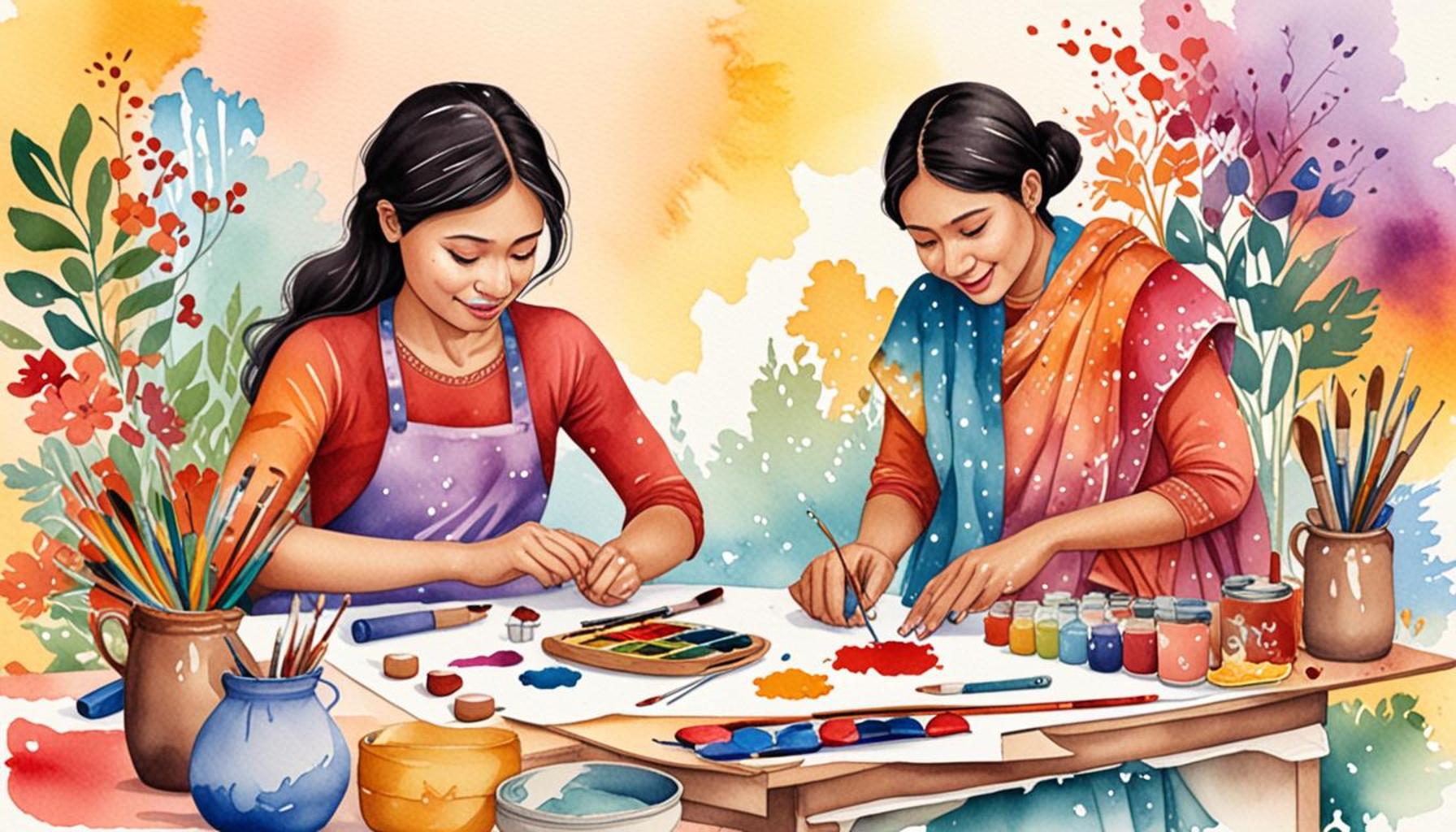
The Role of Crafts in Early Childhood Education: Teaching Creativity and Practical Skills
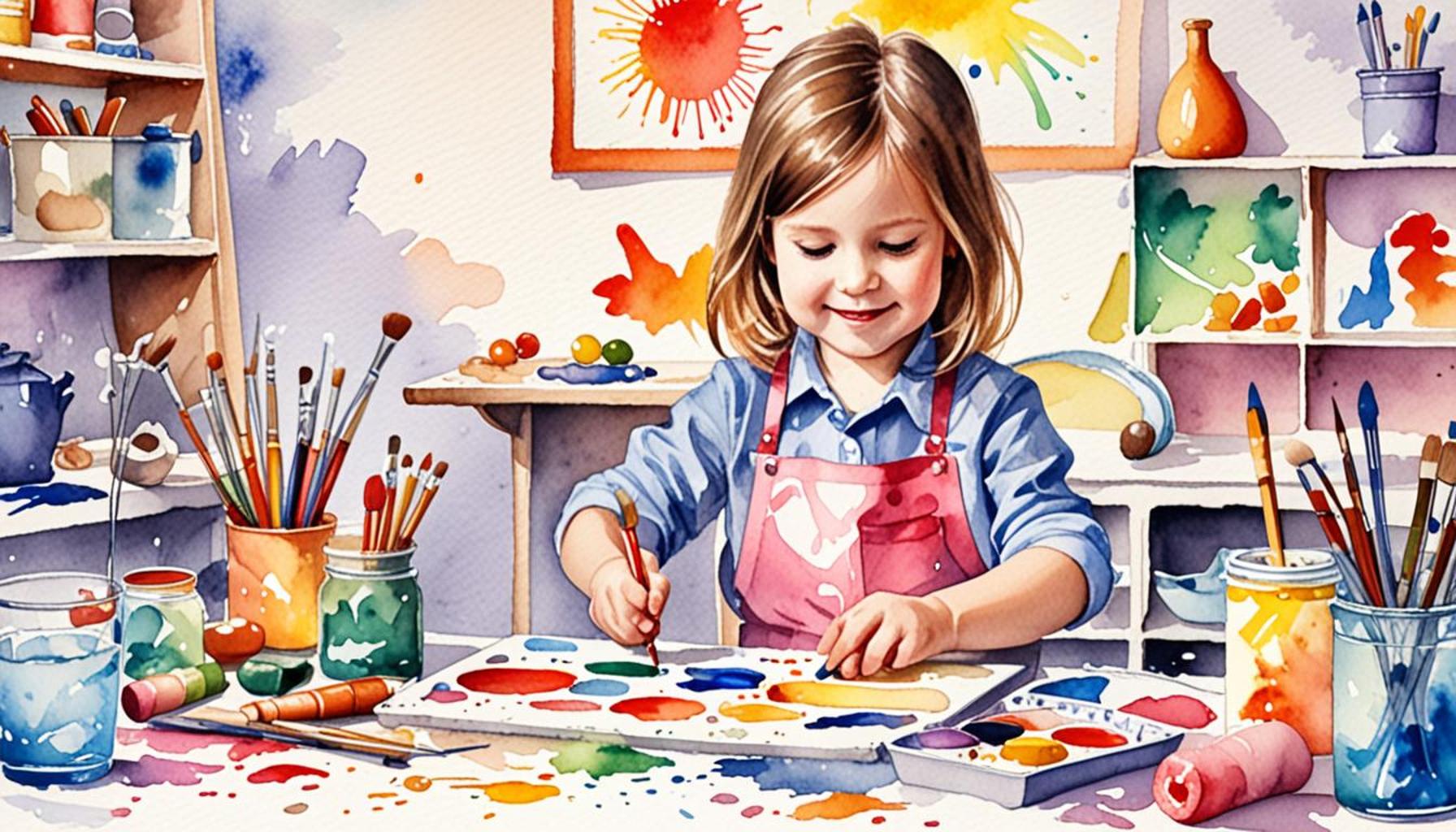
Understanding the Importance of Crafts
In early childhood education, crafts serve as a pivotal mechanism for development, nurturing various competencies that young learners will utilize throughout their lives. While creating art, children engage in activities that inspire and challenge them, leading to a range of developmental advantages. For instance, when children engage in cutting, gluing, and drawing, they refine their hand-eye coordination and dexterity, enhancing their fine motor skills. These foundational skills are crucial for tasks such as writing, buttoning clothes, and even typing later in life.
The creative process involved in crafts acts as a launchpad for boosting creativity. By allowing children to manipulate materials such as paper, clay, and textiles, they can express their inner thoughts and emotions. For example, a child might create a collage that tells a story about a family vacation, enabling them to communicate their experiences visually. Such activities not only stimulate the imagination but also provide a safe space for self-expression—fundamental elements in a child’s development.
Critical Thinking through Crafting
Moreover, crafting involves a degree of critical thinking. Children often encounter challenges or surprises during the crafting process, such as how to balance their creations or what to do when materials don’t adhere as expected. These moments of problem-solving enhance their analytical thinking and cultivate resilience. Maintaining motivation through challenges prepares children for complex tasks in academic settings and beyond. For instance, when a child decides to restructure their project to accommodate a new idea, they demonstrate adaptability—an essential skill in today’s fast-paced world.
Across the United States, educational frameworks are evolving to embrace the integral role of creative expression within the curriculum. Programs like those implemented in art-based schools not only teach children such skills but also emphasize the benefits of teamwork and social interaction. Engaging in group crafts fosters cooperation, as children must communicate ideas and share materials, ultimately leading to the development of important social skills.
Sensory Exploration and Confidence Building
Beyond teamwork, crafting offers unique opportunities for sensory exploration. When children engage with different textures and materials, they develop their sensory processing skills. For example, playing with clay provides tactile stimulation that can enhance cognitive and physical development. As they mold and shape, they also experiment with colors and patterns, stimulating their visual senses.
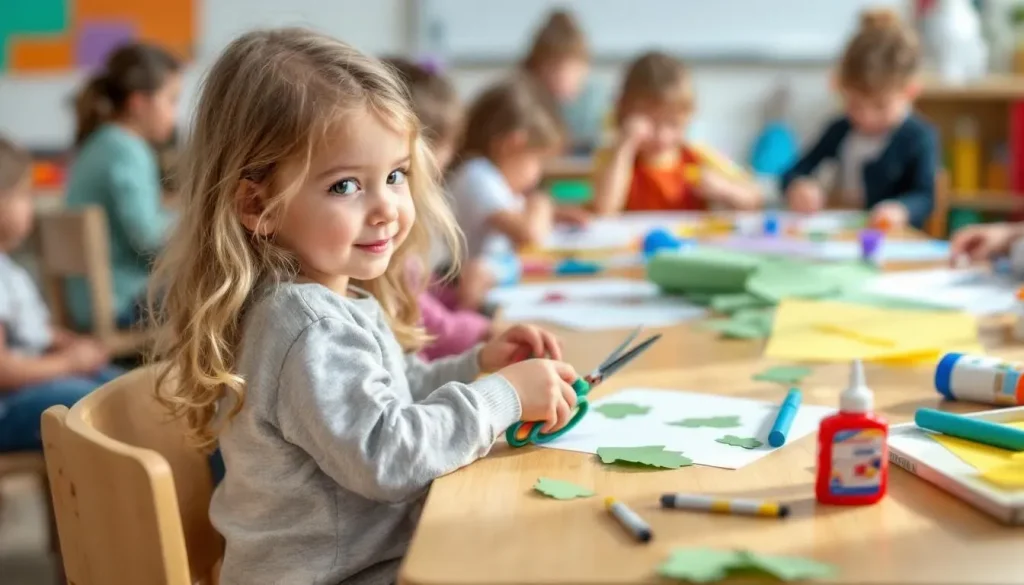
Perhaps most importantly, the completion of craft projects boosts a child’s confidence. Successfully finishing an art piece gives a sense of accomplishment and pride, reinforcing positive self-esteem. This confidence can translate into other areas of learning, encouraging children to take risks and pursue new challenges in their educational journeys.
Research supports the notion that exposure to creative activities significantly correlates with academic success. Studies have shown that students who regularly participate in arts programs tend to excel in subjects like math and science, highlighting a robust connection between creative endeavors and cognitive development. As educators seek innovative methods to prepare students for an ever-changing future, prioritizing crafts in early education has never been more critical.
In conclusion, the intersection of creativity and practical skills through crafts not only captivates young minds but also lays a solid foundation for lifelong learning. Understanding and expanding the role of crafts in early childhood education illuminates their profound impact on shaping the next generation into capable, confident, and innovative individuals.
DISCOVER: Click here to dive into baking basics
Fostering Creativity through Craft Activities
Crafts serve as a valuable medium for fostering creativity in early childhood education. When children engage in craft activities, they are presented with opportunities to explore their imagination and original ideas. The process of creation allows them to think beyond conventional norms, experimenting with various materials and techniques. For instance, while making a paper mâché sculpture, a child learns not just about the materials involved, but also how to envision and realize a concept entirely from their imagination. This autonomy in crafting is essential for building creativity, which is linked to problem-solving and innovative thought.
Crafts encompass a wide variety of activities that can cater to diverse interests and abilities among young learners. Educators have the opportunity to introduce different types of crafts, such as:
- Collage Making: Mixing papers, fabrics, and other materials to create layered art.
- Painting and Drawing: Using different mediums to communicate feelings or stories.
- Sculpting: Working with clay or dough to form three-dimensional objects.
- Recycling Crafts: Utilizing repurposed materials to instill a sense of sustainability and environmental awareness.
By incorporating a variety of crafts into the curriculum, educators can cater to children’s different learning styles. Visually-oriented children may excel in drawing and painting, while kinesthetic learners might thrive in hands-on sculpting activities. This diverse approach not only engages kids more fully but also enhances their ability to think critically about their choices and the outcomes of their endeavors.
Practical Skills Gained through Crafting
Crafting is not solely about aesthetics; it also equips young minds with essential practical skills that form the backbone of everyday life. Tasks such as measuring, cutting, and assembling components during crafting enhance mathematical and spatial awareness. For instance, when children plan a project that requires a specific dimension, they engage in early mathematical thinking as they calculate sizes and shapes. This hands-on experience lays the groundwork for later academic achievements in STEM fields.
Moreover, crafting often necessitates the use of tools—scissors, glue sticks, and paints. Familiarity with these tools fosters a level of comfort and dexterity that children carry into other tasks. For example, a child who has learned to use scissors proficiently during arts and crafts will likely find it easier to develop skills needed for writing as they gain control over their hand movements.
Crafting also encourages patience and perseverance. When children work on intricate projects, they learn the value of taking their time to create something meaningful. Whether it’s waiting for paint to dry or figuring out how to strengthen their model, every crafting session teaches them about the importance of diligence and completing a task, no matter how challenging it may seem.
Through these multifaceted advantages, crafting stands as a crucial component of early childhood education. It fosters not only creativity but the development of essential practical skills that children will carry with them throughout their journeys in life.
| Advantage | Explanation |
|---|---|
| Enhanced Creativity | Crafting activities encourage imaginative thinking by allowing young children to explore their ideas through hands-on experiences. |
| Development of Fine Motor Skills | Utilizing tools such as scissors, glue, and paint develops hand-eye coordination and strengthens muscle control necessary for writing and daily tasks. |
| Social Interaction | Crafts often involve group projects, promoting collaboration and communication among peers, essential for social development. |
| Problem Solving Skills | Children learn to navigate challenges while creating, fostering critical thinking and resilience through trial and error. |
Crafts in early childhood education serve as a vital channel for nurturing creativity and practical skills. The act of creating art and engaging in hands-on activities not only captivates young minds but also fosters a range of cognitive and physical benefits. By incorporating various materials and techniques, educators can provide experiential learning opportunities that enhance analytical abilities and social skills. These crafting endeavors likewise offer valuable avenues for self-expression, allowing children to communicate their thoughts and feelings visually, thereby expanding their emotional literacy. Digging deeper into the role of crafts might reveal even broader implications for childhood development and educational outcomes, making it an essential area of study for educators and parents alike.
DISCOVER MORE: Click here to dive into baking techniques
Enhancing Social Skills and Emotional Development through Crafts
Craft activities also play a significant role in enhancing social skills and fostering emotional development among young children. When children participate in group crafting sessions, they engage in collaborative efforts that encourage communication, sharing, and teamwork. These social interactions help build important relational skills, as children learn to negotiate roles, share materials, and give constructive feedback. For instance, during a collaborative mural project, children practice expressing their ideas while respecting their peers’ contributions, allowing them to develop empathy and conflict resolution skills in a natural setting.
The emotional benefits of crafting should not be understated. Engaging in creative projects can serve as an emotional outlet for children. As they channel their feelings through art and crafts, they gain the ability to express themselves in a safe environment. This form of self-expression is crucial in helping children process their emotions and experiences. For example, a child who may find it difficult to articulate feelings of sadness can channel those emotions into a colorful, expressive art piece. This emotional literacy fosters resilience and builds a sense of self-efficacy, as children learn that they have control over their creations and, by extension, their feelings.
Building Cultural Awareness and Inclusivity through Crafts
Crafting also presents a unique opportunity to promote cultural awareness and inclusivity among young learners. Craft projects can be tailored to celebrate diverse traditions, allowing children to explore and appreciate different cultures through hands-on activities. For instance, creating traditional crafts such as Native American dream catchers, Japanese origami, or African mask-making not only teaches children about these cultures but also instills respect and understanding for the diverse world they inhabit.
Moreover, by involving families in crafting activities, schools can strengthen community ties and encourage parental engagement in the learning process. Family craft days or workshops can provide parents with the tools to create art at home, further supporting their children’s development. This collaborative effort not only enhances the educational experience but also promotes a sense of belonging and connection within the community.
The integration of crafts in early childhood education settings also aligns with the emphasis on hands-on learning, which is central to many educational philosophies, including Montessori and Reggio Emilia. These philosophies highlight the importance of experiential learning, wherein children construct knowledge through tactile experiences. By recognizing crafts as a fundamental aspect of this approach, educators can ensure that children are actively engaged in their learning, thus enhancing their enthusiasm for exploring new concepts.
Through the lens of crafts, children are not merely learning to create but are also receiving a multifaceted education that nurtures their social connections, emotional growth, and a greater understanding of the world. By emphasizing craftsmanship in early education, we prepare children for a future where creativity, compassion, and collaboration are vital to navigating an increasingly complex society.
DISCOVER MORE: Click here to unlock baking secrets
Conclusion: The Transformative Power of Crafts in Early Childhood Education
In conclusion, the role of crafts in early childhood education extends far beyond simple artistic expression; it is a critical pillar in nurturing creativity, practical skills, and emotional development in young learners. By engaging children in hands-on activities, educators can cultivate their natural curiosity and foster an environment where learning becomes an enjoyable, exploratory experience.
Crafts provide an unparalleled opportunity for social interaction, enabling children to develop essential collaboration and communication skills. Group projects encourage them to navigate interpersonal dynamics, enhancing their ability to work together to create something meaningful. In this collaborative space, they learn not just to make art, but to respect and value the contributions of their peers, laying the groundwork for future teamwork in educational settings and beyond.
The emotional benefits of crafting also play a crucial role in a child’s growth. By allowing children to express their emotions through art, we empower them to process and articulate their feelings in constructive ways. This emotional literacy is vital for resilience, helping children understand that their feelings are valid and that they have the ability to express themselves in healthy, productive manners.
Furthermore, integrating crafts into early education promotes cultural awareness and inclusivity, providing children with a rich, diverse understanding of the world. Activities that celebrate various cultural traditions not only teach children about differences but also promote tolerance and appreciation for diversity. As communities come together through family craft events, a robust sense of belonging is fostered, further enhancing the educational experience.
As we continue to explore and develop the importance of crafts in early childhood education, it is essential to recognize that these activities are more than just playtime; they are essential building blocks for lifelong learning. By prioritizing creativity, emotional intelligence, and social skills through crafts, we are equipping the next generation with the tools they need to thrive in an increasingly complex and interconnected world. Therefore, schools and educators must harness the power of crafts to inspire future innovators, thinkers, and compassionate leaders.