The Science Behind the Kitchen: Culinary Experiments that Spark Creativity
The Intersection of Science and Culinary Art
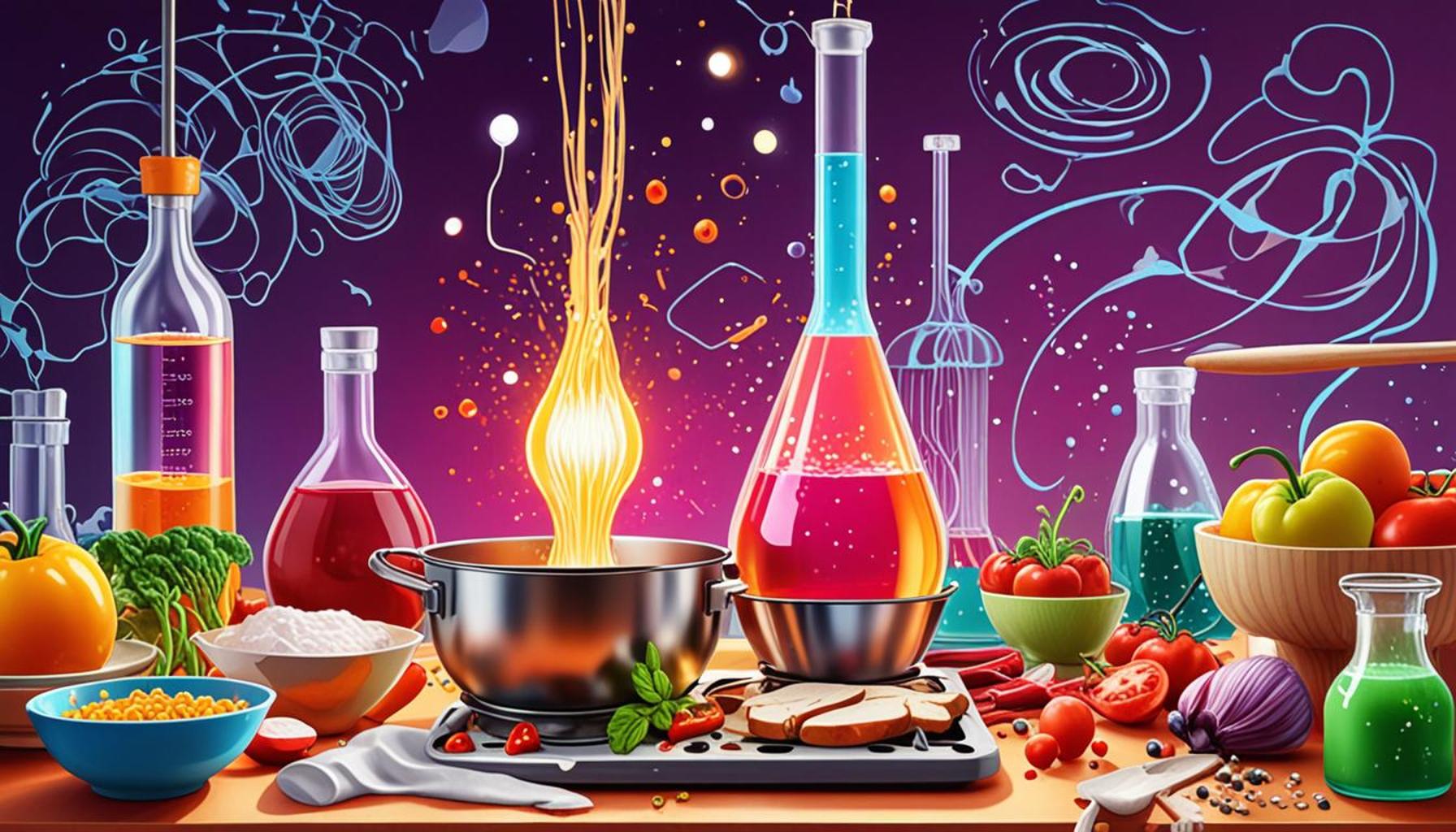
The kitchen is not merely a place for preparing meals; it is a vibrant laboratory of creativity and discovery. Culinary experiments are at the core of innovation, transforming simple ingredients into extraordinary dishes through the application of science. Understanding the principles behind these experiments can elevate your cooking and enhance your culinary experiences.
Consider the following ways that science ignites creativity in the kitchen:
- Flavor Pairing: One fascinating aspect of culinary science is the art of flavor pairing, which is grounded in the chemical interactions between ingredients. For example, the combination of strawberries and balsamic vinegar may seem unconventional, but the acidity of vinegar enhances the sweetness of strawberries, creating a sublime experience for the palate. Culinary experts such as Chef Heston Blumenthal have explored these scientific principles, proving that analyzing flavor compounds can lead to surprising and delightful combinations like chocolate paired with blue cheese, which balances bitterness with a salty creaminess.
- Chemical Reactions: Techniques like caramelization and fermentation showcase the transformative power of heat and time. When sugar is heated, it undergoes a Maillard reaction, turning golden and bringing forth a rich depth of flavor that enhances desserts, sauces, and even savory dishes. Similarly, fermentation is an ancient technique that not only preserves food but enriches it with beneficial probiotics, creating tangy flavors that have become staples in foods like kimchi and yogurt. The science behind these reactions reveals a world of flavor complexity and textural depth.
- Texture Manipulation: Altering the conditions of cooking can create contrasting textures, making dishes more interesting. For instance, sous vide cooking—where food is vacuum-sealed and cooked in a water bath at precise temperatures—allows chefs to achieve melt-in-your-mouth tenderness while retaining moisture. This technique can turn tougher cuts of meat, such as brisket, into delectable, fork-tender creations without losing their flavor or juiciness.
From culinary school graduates to home cooks, the adventurous spirit of experimentation drives creativity. Each dish can be a chance to delve into the chemistry of food, understanding how and why flavors work together. Ingredients that seem ordinary—like vinegar or baking soda—can become catalysts for extraordinary culinary feats. For example, the proper use of these ingredients can cause cupcakes to rise perfectly or create a distinctive flavor balance in dressings.
By embracing the science behind cooking, chefs and enthusiasts alike can push boundaries, leading to discoveries that surprise and inspire. This journey through the intersection of science and art may just uncover your next signature dish or innovative technique. Whether you’re exploring the food chemistry that enhances your meals or testing out new methods, the exploration of culinary science opens a realm of possibilities that invites creativity and innovation in every kitchen.
DIVE DEEPER: Click here to explore the connection between craftsmanship and creativity
Unlocking Creativity Through Flavor Chemistry
The realm of culinary creativity is deeply intertwined with the science of flavor chemistry. Every ingredient we use has its own set of volatile compounds that contribute to its aroma and taste, which can be harnessed to create unexpected combinations that tantalize the taste buds. By understanding these flavor interactions, both amateur cooks and seasoned chefs can experiment with new ingredients and elevate their culinary skills.
One way to begin experimenting is through flavor profiles. Flavor profiles categorize ingredients based on their dominant tastes, such as sweet, salty, sour, bitter, and umami. When you combine ingredients that share similar flavor compounds, you can create harmony on the palate. For example:
- Savory Umami: Ingredients such as mushrooms, soy sauce, and ripe tomatoes possess umami flavors that can enhance the depth of seafood or meats.
- Sweet and Tart: The balance between sweetness and tanginess can be explored with pairings like citrus and honey, which not only create a refreshing dressing but also enliven a dull dish.
- Herbaceous Notes: Fresh herbs like basil or mint can often elevate fruit desserts, as their aromatic compounds contrast beautifully with the sweetness, creating a multi-layered flavor profile.
Moving beyond just flavor pairing, understanding the chemistry of cooking methods can also lead to exciting culinary experiments. Techniques like foaming, spherification, and even pickling involve scientific processes that transform ingredients in creative ways. For example, food foams, often seen in high-end gastronomy, rely on the process of aeration, which introduces air into a mixture, creating a light and ethereal texture that can transport familiar flavors into a new dimension.
Moreover, the process of spherification, a technique popularized by molecular gastronomy, allows chefs to encapsulate flavors in small spheres that burst in the mouth. This can be used to create a surprising presentation, where a traditional dish is transformed into a modern culinary experience. For instance, using sodium alginate and calcium chloride, a chef can create spheres that look like caviar but pack the flavor of a favorite cocktail or dessert. The intrigue of such preparations encourages experimentation and pushes the boundaries of traditional cooking.
As you explore the science behind culinary techniques, you will discover that cooking is not just about following recipes, but about engaging in a dialogue with ingredients. Each dish can become a canvas for scientific exploration, where failures are merely stepping stones to delicious discoveries. The kitchen transforms into a playground of experimentation, inviting creativity and curiosity. Unlocking the secrets of flavor and technique not only enhances your cooking repertoire but also forges a deeper connection with the food you create and consume.
The Science Behind the Kitchen: Culinary Experiments that Spark Creativity
In the world of culinary arts, the fusion of science and creativity can lead to extraordinary results. Embracing the principles of chemistry and biology enables chefs to experiment with flavors, textures, and presentation, transforming a simple dish into a remarkable experience. This section delves into the practical applications of science in the kitchen, emphasizing how understanding these elements can enhance creativity and innovation in cooking.
Air and moisture play crucial roles in texture, leading to delightful surprises when experimenting with dishes. For instance, by utilizing sous-vide methods, chefs can precisely control the temperature of ingredients, ensuring optimal cooking processes that retain moisture and bring out rich flavors. This technique exemplifies how a scientific approach enhances traditional cooking, allowing for remarkable flavors that elevate everyday meals.
| Culinary Technique | Scientific Benefits |
|---|---|
| Molecular Gastronomy | Encourages experimentation with texture and the composition of flavors, resulting in unique dining experiences. |
| Fermentation | Transforms ingredients through microbial activity, enhancing flavors while improving nutritional value and gut health. |
Moreover, the fermentation process not only adds depth to flavors but also opens doors to a myriad of health benefits. By allowing naturally occurring bacteria to break down food, culinary artists create products rich in probiotics, which are beneficial for digestive health. This integral component of kitchen science not only promotes creativity but encourages healthier eating habits.
In understanding the science behind cooking, culinary professionals can push the boundaries of traditional recipes. Techniques such as emulsification not only improve the stability of dressings and sauces but also lead to innovative combinations that captivate the palate. Celebrating the scientific aspect of cooking can result in a renewed sense of passion for gastronomy, inspiring chefs and home cooks alike to explore new realms of flavor and presentation.
DISCOVER MORE: Click here to delve deeper
Harnessing Culinary Techniques for Innovative Dishes
Another fascinating area where science and creativity converge in the kitchen is through techniques of food preservation. Beyond just keeping food fresh, methods like fermentation, curing, and smoking not only enhance flavors but also enable chefs to experiment with textures and aromas. The act of fermentation, for example, transforms ordinary ingredients into complex culinary masterpieces. Think of kimchi, sauerkraut, or yogurt—each involves a bustling community of bacteria that break down sugars to create tangy, enriching flavors while preserving the food.
Fermentation encourages cooks to experiment with seasonality, using whatever ingredients are available at their peak, inviting innovative combinations. For instance, consider a chef who decides to ferment green tomatoes instead of letting them spoil—this not only prolongs their shelf life but also introduces an entirely new flavor profile that can then be incorporated into various dishes, from salads to appetizers.
Curing is yet another technique that allows for creative freedom. By using salts, sugars, and spices, chefs can transform proteins like fish and meats into desirable delicacies. The well-loved classic, gravlax, serves as an excellent example—it’s cured salmon that showcases not only the expertise of the chef but also the underlying science of osmosis and protein denaturation. The result is a delectable dish that is both visually stunning and highly flavorful, opening the door for chefs to play with different herbs and spices in the curing mixture that reflect regional tastes.
Let’s not overlook the art of smoking ingredients, an ancient technique that adds depth through the infusion of flavor from wood chips or herbs. Crafting a smoked salmon, for instance, can engage your senses and lead to innovative culinary strategies. The practical application of this technique encourages experimentation with different woods (like applewood or hickory) to enhance the flavor profile. Such methods can also be applied to vegetables, creating intriguing smoked salads or dips that are not only unique but also visually appealing.
Advanced Techniques and Kitchen Gadgets
In the world of modern cooking, advanced culinary gadgets have opened up a vast array of experimental options. Sous vide cooking, wherein food is vacuum-sealed and cooked at precise low temperatures, exemplifies this trend. Not only does sous vide ensure that proteins are cooked to perfection, but it also allows for flavor infusions that can’t be achieved through traditional methods. Chefs can infuse meats with herb oils or spices while achieving impressive tenderness, leading to unique culinary creations.
Additionally, liquid nitrogen has captured the imagination of many in the culinary world. This tool allows for rapid freezing of ingredients, creating textures that are both surprising and delightful. Imagine a decadent chocolate mousse transformed into ethereal, crunchy “chocolate clouds.” The possibilities are endless, challenging chefs to think beyond conventional boundaries.
The intersection of technical knowledge and culinary artistry fosters a spirit of inquiry and experimentation. With each discovery, chefs are empowered to create new flavors and textures that leave a lasting impression on their diners. As the kitchen evolves into a laboratory filled with knock-on creativity, embracing scientific techniques enhances not only our culinary skills but also the way we appreciate food in its many forms.
DISCOVER MORE: Click here to dive deeper into creative writing
Conclusion: A New Era of Culinary Innovation
As we explore the intricate science behind the kitchen, it becomes clear that culinary experimentation not only sparks creativity but also broadens our understanding of flavors and textures. The fusion of traditional methods like fermentation, curing, and smoking with modern techniques and gadgets—such as sous vide and liquid nitrogen—opens a world of innovative possibilities for chefs. Each scientific principle harnessed in the kitchen transforms banal cooking into an art form that delights the senses and challenges the status quo.
Moreover, the ongoing influx of inspiration from various cultures encourages chefs to embrace seasonal ingredients and regional flavors, pushing them to move beyond standard recipes. This approach not only enhances culinary diversity but also promotes sustainability by reducing waste, showcasing the versatility inherent in often-overlooked ingredients.
Looking ahead, as technology continues to evolve and as our understanding of food science deepens, the culinary landscape is bound to change dramatically. Culinary enthusiasts and professional chefs alike are encouraged to delve deeper into the science that fuels their passion, experimenting with techniques that inspire their culinary creations. Through this journey, the kitchen can transform from a mere cooking space into a vibrant laboratory of flavor. It invites both new and seasoned cooks to challenge traditional practices, embrace creativity, and, ultimately, redefine how we experience food.
In this ever-evolving culinary world, the marriage of art and science is not just transformative—it’s essential. By continuing to explore the amazing interplay between these two realms, we can all become pioneers of flavor, crafting meals that are as exciting as they are delicious.