World Flavors How Global Cuisine Inspires Culinary Creativity
Exploring the Global Culinary Landscape
The world is a vast tapestry of flavors, with every corner offering its own blend of unique ingredients and cooking techniques. From the spicy depth of Szechuan dishes to the subtle elegance of French patisserie, global cuisines provide endless avenues for discovery. Today, both home cooks and professional chefs are increasingly drawn to this diverse culinary world, each exploring how international dishes can inspire and fuel their culinary creativity. Delving into diverse flavors not only enhances the palate but also unlocks a door to innovation in the kitchen, sparking new ideas and combinations.
Why International Cuisine Matters
The appeal of international cuisine goes beyond taste; it’s an invitation to broaden one’s horizons and explore the richness of human history and tradition. Engaging with foods from around the globe allows individuals to:
- Experiment with new ingredients and cooking methods that challenge conventional cooking norms, such as using tofu in place of traditional proteins or incorporating za’atar spice into a Western dish.
- Broaden their understanding of cultural traditions surrounding food, like the significance of sharing tapas in Spain or celebrating with dumplings during Chinese New Year.
- Enhance their ability to create fusion dishes that surprise and delight, such as Korean tacos or sushi burritos, blending elements from various culinary traditions to create something entirely new.
As we delve into the top five global culinary influences, prepare to be inspired by how these diverse flavors can elevate your own cooking experience. Whether it’s the bold spices of Indian curry or the delicate balance of Japanese sushi, each cuisine offers unique insights, techniques, and stories that deserve exploration and celebration. Embrace the culinary wisdom passed down through generations and allow these traditions to enhance your culinary repertoire, fueling creativity and enriching the ever-evolving art of cooking.
Exploring the World’s Flavors: How International Cuisine Inspires Creativity in Culinary Arts
In today’s globalized world, food transcends borders and opens up a plethora of possibilities for culinary exploration. International cuisines not only introduce us to diverse flavors and traditions but also ignite our creativity in the kitchen. The flavors and techniques that crisscross the globe can lead to an array of innovative cooking techniques and unique fusion dishes. Join us as we uncover the top 5 ways international cuisine inspires creativity in culinary arts, from the least to the most influential.
5. Fusion Dishes: The Art of Combination
Fusion cuisine represents the intersection of different culinary traditions, creating dishes that blend elements from multiple cultures. This approach encourages chefs and home cooks to experiment with various flavors, techniques, and presentations that span the globe.
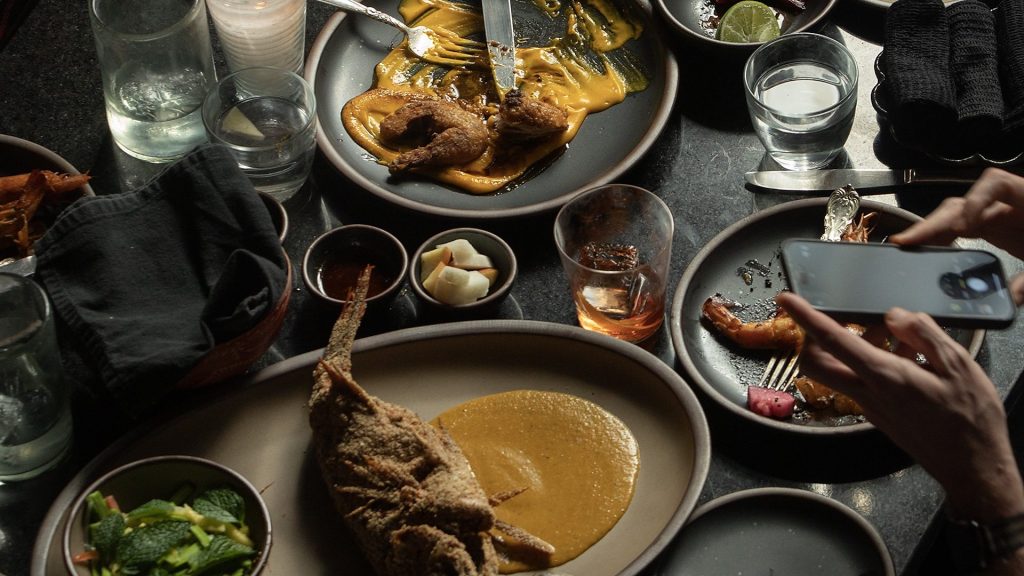
Consider the sushi burrito as a classic example, which combines the handheld convenience of a burrito with the fresh ingredients typical of sushi. This dish is not only a testament to the ability to fuse two culinary worlds but also an embodiment of creativity that emerges from cultural amalgamation.
When exploring fusion dishes, there are a few key considerations to take into account:
- Identify common ingredients between the cuisines to find natural bridges that facilitate blending.
- Experiment with different cooking techniques to introduce new textures and flavors.
- Mix traditional dishes in an unexpected way to engage diners with surprise and delight.
Fusion cooking expands the limitations of traditional recipes, cultivating a spirit of creativity and innovation. By breaking down barriers between cuisines, creativity knows no bounds.
4. Regional Ingredients: A Journey of Discovery
Regional ingredients play a crucial role in appreciating the wide variety that international cuisine offers. Ingredients like fresh herbs, exotic spices, and seasonal produce inspire unique flavor profiles and enhance creativity in every dish. For example, saffron—a spice native to the Mediterranean—can transform a simple risotto into a fragrant culinary masterpiece.
Traveling or even exploring local international markets allows you to discover unique ingredients that add depth and authenticity to your culinary creations. This exploration leads not only to new flavors but also a deeper understanding of the cultural heritage behind each ingredient.
Here’s how you can incorporate regional ingredients into your culinary repertoire:
- Visit local ethnic grocery stores to access authentic ingredients not typically found in mainstream markets.
- Research the cultural significance, origin, and typical uses of specific ingredients within various cuisines.
- Experiment with unexpected ingredients in traditional recipes to add a cultural twist.
Such endeavors diversify your cooking style and lend a level of authenticity and sophistication to your dishes, while also opening a world of flavors for exploration.
3. Techniques from Around the World: Learning and Adapting
Various cultures possess unique cooking techniques that can expand and refresh your culinary skills. Techniques such as sous-vide from French cuisine or wok cooking from Chinese traditions add depth to cooking practices and inspire the imaginative use of ingredients.
By learning these techniques, cooks can adapt and modify them to suit their local flavors and ingredients, leading to unique twists on traditional dishes. For instance, utilizing the thorough heat control of the sous-vide method to prepare meats can enhance flavor and tenderness, allowing a seemingly simple dish to reach new culinary heights.
Consider trying these renowned techniques from around the globe:
- Sous-vide: precise temperature control for high-quality meats and perfectly-cooked vegetables.
- Wok cooking: quick, high-temperature stir-frying to retain fresh textures and bold flavors of ingredients.
- Fermentation: uses natural preservation to enhance flavor complexity and health benefits.
By mastering a variety of culinary techniques, cooks unlock doors to endless creative possibilities and fascinating flavor combinations. This not only invigorates their skillset but also broadens the horizons of the culinary landscapes they can create.
2. Cultural Celebrations: Food as a Source of Inspiration
Food plays a central role in cultural celebrations around the globe, with festivals, weddings, and religious ceremonies often featuring traditional dishes that inspire creativity in meal preparation. Engaging with these culinary traditions can spark new ideas, reinvigorating your day-to-day cooking practices.
Understanding the stories behind celebratory dishes deepens your appreciation and perspective. Consider how an Italian feast might center around homemade pasta, while a Hispanic celebration could highlight the significance of tamales. Both events not only provide cultural context but can also inspire you to create dishes that reflect these rich traditions.
Explore these cultural celebrations and their culinary significance:
- Diwali: Often centered around sweets and savory snacks symbolizing prosperity and new beginnings.
- Thanksgiving: A time for traditional roast turkey, offering opportunities for creative side dishes.
- Carnival: Showcases regional dishes influenced by festive traditions such as Brazil’s savory feijoada.
Embracing the culinary aspects of celebrations opens a rich world of flavors and creative ideas, enriching your cooking experience and fostering connections to global cultures.
1. Global Exploration: The Power of Travel and Culinary Adventures
The ultimate inspiration in culinary creativity comes from traveling and experiencing food worldwide. Exploring diverse cultures through their cuisine allows you to sample authentic dishes, ranging from vibrant street food venders to high-end gourmet eateries. These experiences offer unique perspectives, which can be integrated into your kitchen practices.
Traveling enriches the palate and provides firsthand exposure to distinct culinary traditions, ingredients, and techniques. From tasting the complex spices of Indian curries to experiencing the rich umami of Japanese ramen, travel offers endless inspiration.
To bring global experiences into your culinary endeavors:
- Document your culinary experiences by jotting down unique techniques or ingredients you encounter during your travels.
- Engage with local chefs or home cooks to learn about traditional methods and secret tips.
- Incorporate new findings into your cooking and experiment by recreating memorable dishes with a personal twist.
By embracing the power of travel and culinary adventures, you immerse yourself in a world of flavors that stirs your creativity and breathes new life into your culinary artistry. This exploration not only enhances your skills but also fortifies your connection to the vast tapestry of global cuisines.
| Category | Details |
|---|---|
| Cultural Fusion | The blend of diverse traditions creates unique culinary experiences that celebrate global heritage. |
| Ingredient Exploration | Culinary travelers often discover exotic ingredients, leading to innovative dishes and flavor combinations. |
| Cookbook Inspiration | International cookbooks serve as a treasure trove of techniques and recipes, igniting the chef’s creativity. |
| Culinary Workshops | Participating in workshops abroad enhances skillsets and offers hands-on experience with traditional cooking methods. |
As the world becomes increasingly interconnected, the culinary arts are witnessing an extraordinary influx of creativity driven by the diverse flavors of global cuisines. This phenomenon, dubbed as “Cultural Fusion,” reflects how ingredients, techniques, and culinary philosophies from one region can harmonize beautifully with those of another. As chefs explore and merge various traditions, they unlock new dimensions of taste, making every dish a potential masterpiece. For instance, the melding of Mexican spices with traditional Japanese sushi can lead to innovative creations that tantalize the taste buds and challenge the norms of classical cuisine.Moreover, the advent of international travel allows culinary enthusiasts to embark on a sensory journey where they can encounter exotic ingredients firsthand. From the aromatic spices of North Africa to the fresh herbs of Southeast Asia, these remarkable components encourage chefs to experiment and evolve their cooking styles. This continuous exploration stimulates creativity and fosters a deeper appreciation of the diverse culinary landscape the world offers.In addition to travel, culinary literature has become a critical source of knowledge and inspiration. Cookbooks from various cultures provide a window into the heart of a nation’s culinary practices. Chefs and home cooks alike can delve into the intricacies of foreign cuisines and adapt traditional recipes to create personalized dishes that pay homage to their origins while reflecting individual creativity. The written word, paired with vibrant imagery, works to spark new ideas in the kitchen.Furthermore, the emergence of culinary workshops across the globe has enabled many to gain hands-on experience with traditional cooking techniques that have stood the test of time. These workshops are invaluable, as they not only teach the fundamentals of various cuisines but also nurture a sense of community among participants. Here, cultural exchange flourishes, and creativity thrives, leading to a richer culinary narrative that continuously evolves.Each of these elements contributes to a culinary landscape where creativity knows no bounds, and the flavors of the world inspire chefs to think outside of the box, crafting dishes that are both innovative and rooted in tradition. Exploring international cuisines is not merely a culinary endeavor; it is an invitation to discover the limitless possibilities that arise when cultures intersect on a plate.
Frequently Asked Questions about Exploring Flavors of the World
What are the benefits of exploring international cuisines?
Diving into international cuisines broadens one’s culinary horizon and provides insight into diverse culinary traditions. It enriches our taste buds and promotes a greater understanding of global cultures. Moreover, experimenting with different flavors can lead to innovative culinary creations, encouraging chefs and food enthusiasts to blend various elements and invent unique dishes.
How can international cuisines inspire creativity in cooking?
International cuisines offer a treasure trove of ingredients, techniques, and flavor profiles that can inspire chefs and home cooks alike. By borrowing different elements from around the world, one can create fusion dishes that combine unexpected flavors. This approach not only surpasses geographical boundaries but also allows for personal expression in culinary art.
What are some popular dishes that have become global sensations?
Many dishes have captured the world’s fascination and gained a global following. For instance, Italian pizza and Japanese sushi have become ubiquitous, each adapted into various regional styles. Street foods like Tacos from Mexico and Ramen from Japan are now staples in numerous countries, showcasing how food can transcend its origins and become universally beloved.
How can one start exploring international cuisines at home?
Starting at home requires a bit of curiosity and willingness to experiment. Begin by researching and selecting recipes from different countries. Many ingredients are now widely available in supermarkets or online. Trying your hand at simple dishes from different parts of the world can be a great adventure, turning your kitchen into a culinary classroom filled with flavors and techniques from across the globe.
Are there any ethical considerations when exploring global cuisines?
Absolutely. It is vital to explore cuisines with respect and appreciation for their cultural significance. Appropriating dishes without acknowledgment or understanding can be insensitive. Instead, engage with global cuisines with a sense of respect and aim to learn about the traditions that have shaped them. This respectful approach enriches the culinary experience and celebrates the diverse tapestry of global cuisines.
Conclusion: Embracing Global Flavors to Fuel Culinary Creativity
In the ever-evolving realm of creative hobbies, culinary exploration stands as a testament to the limitless possibilities offered by the fusion of international flavors. The journey of “Explorando Sabores do Mundo” reveals that delving into global cuisines is not only a feast for the senses but also a profound source of inspiration for culinary enthusiasts. By broadening their palates and experimenting with diverse ingredients, home chefs and professionals alike can unlock new levels of creativity in the kitchen.
Throughout this exploration, five key insights emerge. Firstly, diversity in flavors enhances tasting experiences, inviting cooks to expand their repertoire beyond traditional boundaries. Secondly, understanding different culinary techniques offers a deeper appreciation of global traditions, enriching the creative process. Thirdly, global cuisines challenge conventional norms, encouraging inventive combinations and new culinary trends.
Furthermore, as we witnessed the transformative impact of international influences, the potential for personal growth and cultural connection becomes evident. Embracing global ingredients can act as a bridge between cultures, inviting dialogues and fostering a deeper understanding of diverse traditions. Lastly, the art of culinary creation becomes a shared journey, inviting others to partake in a world of taste sensations.
In conclusion, exploring international flavors does more than enhance one’s culinary skills—it emboldens individuals to experiment, innovate, and transcend culinary borders. This pursuit not only nurtures personal creativity but also supports a global appreciation of food as an art form, encouraging new explorations and discoveries in the kitchen. As culinary explorers continue this sensorial journey, they play a vital role in the evolving tapestry of global gastronomy, celebrating the art of flavor with every twist and turn.