
Writing Memories: Capturing Moments and Stories of Life in Words

The Importance of Writing Memories
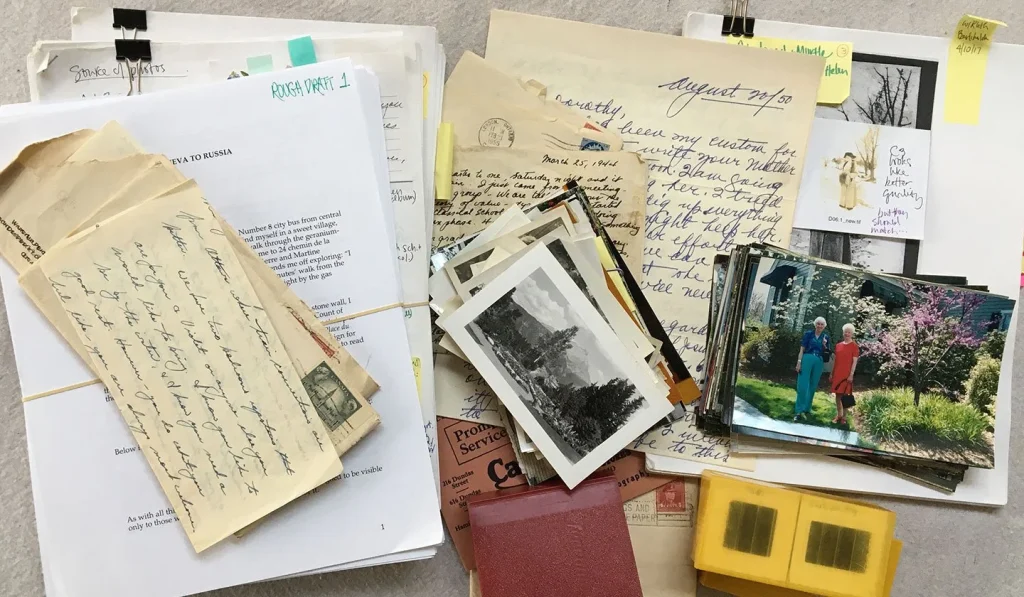
Every moment in life carries a story, waiting to be told. Writing memories is a powerful way to preserve these fleeting experiences, allowing us to revisit and reflect on our past. Whether it’s a joyous celebration, a lesson learned, or an everyday nuance, the art of capturing these moments enriches our lives. It allows us to freeze time, offering a window into our emotional landscape and family traditions.
What makes writing memories so significant? Consider these aspects:
- Personal Growth: Documenting moments fosters self-reflection and personal understanding. When we write about our experiences, we dissect them, identifying feelings, reactions, and growth over time. Journaling can even be therapeutic, offering clarity and insight into emotions we may not fully understand.
- Connection: Sharing stories strengthens bonds with friends and family, creating a shared narrative. For example, families often preserve traditions through storytelling during gatherings, from recounting a beloved childhood tale to remembering a cherished relative. This not only keeps memories alive but creates a sense of continuity that binds generations.
- Cultural Legacy: Written memories contribute to the broader history of families and communities. In the U.S., cultural narratives from various backgrounds come together in written form, reflecting the nation’s diverse experiences. From the diaries of immigrants detailing their journey to contemporary memoirs capturing the essence of modern American life, each story adds depth to our collective history.
Storytelling in the United States serves as a vital tool not only for personal expression but also for cultural preservation. Native American oral traditions exemplify the richness of this practice, where stories are passed down through generations, teaching values and history. Similarly, modern memoirs, like “Becoming” by Michelle Obama, invite readers into the intimate experiences of individuals, fostering understanding and empathy across different backgrounds.
As you embark on the journey of writing memories, various techniques can help you make your stories compelling. Consider employing descriptive language that evokes the senses, or using narrative techniques like flashbacks to enrich your storytelling. The key is to transform mundane details into profound reflections—making even the simplest experiences remarkable.
Join us as we dive into the art of capturing moments and the intricacies of storytelling that can transform our everyday experiences into treasured narratives. Explore how you can harness the power of the written word to immortalize the stories that matter most, ensuring that your unique experiences and the lessons learned are shared for years to come.
DISCOVER MORE: Click here to unleash your creativity
Techniques for Capturing Life’s Moments
One of the most enriching aspects of writing memories is the array of techniques available to storytellers. Each writer possesses a unique style, but there are fundamental approaches that can enhance your ability to capture the essence of life’s fleeting moments. With a mix of creativity and technique, you can breathe life into your narratives, making even ordinary experiences resonate with your audience.
Descriptive Language
Using descriptive language is vital for painting vivid images in the reader’s mind. Consider the scene with the vibrant colors of a sunset, or the heartfelt nostalgia in a grandmother’s embrace. When you write, strive to incorporate sensory details that evoke emotions and memories. For example, rather than simply stating that a family dinner took place, describe the sizzling of the frying pan, the mixed aromas of spices wafting through the air, and the laughter echoing around the table. This attention to detail allows readers to connect more deeply with your stories, engaging them in a way that dry narratives cannot.
Narrative Techniques
Another effective technique is the use of narrative structures such as flashbacks or nonlinear timelines. These methods allow you to weave together different time periods and experiences, enriching the narrative’s complexity. For instance, starting a story with a poignant moment from adulthood can immediately draw readers in. Then, you might flash back to the pivotal childhood experience that shaped this moment, creating a compelling storyline that resonates universally. This approach not only keeps readers engaged but also provides depth to your storytelling.
Emotional Authenticity
One of the most important aspects of writing memories is the need for emotional authenticity. Readers crave honesty and relatability in stories; they want to identify with the writer’s feelings, struggles, and triumphs. When recounting an experience, strive to convey your genuine emotions, whether they are moments of joy, sorrow, or reflection. For example, sharing the elation of graduating college can be powerful, but pairing it with the anxiety and uncertainty that accompanied that achievement adds layers of authenticity. It transforms a straightforward narrative into a relatable and profound experience that resonates with readers from various backgrounds.
Creating a Memory Bank
As you hone these techniques, you may find it beneficial to maintain a memory bank. This could be a dedicated journal or a digital app where you jot down experiences as they occur. Consider these tips for effectively building your memory bank:
- Write Regularly: Set aside time each day or week to reflect and write. Consistency helps capture moments as they arise.
- Focus on the Details: Whether it’s a particular phrase someone used or the way a room felt, these details can make memories richer.
- Prioritize Emotion: Note your feelings as well as events. These emotional connections will enhance your storytelling later.
By employing these techniques, you can transform fleeting moments into lasting narratives that inform future generations and preserve the essence of your experiences. Engaging with your memories through writing not only serves as a creative outlet but also as an enduring testament to the tapestry of life that we all navigate.
| Category | Description |
|---|---|
| Memory Preservation | The theme emphasizes capturing life’s fleeting moments, ensuring that important events and feelings are documented and can be revisited. |
| Creative Exploration | Utilizing writing as a means of self-exploration, allowing writers to delve deeper into their experiences while enhancing their storytelling skills. |
The journey of writing memories transforms not just into a process of documenting events but into a profound exploration of the self. Capturing vivid moments through the pen allows individuals to embed their emotions and thoughts onto pages, weaving them into compelling narratives that resonate with others. As writers embark on this creative venture, they discover the immense therapeutic value in revisiting past experiences, healing through words while also offering their readers a glimpse into the beauty of shared human experiences. The flexibility of storytelling encourages diverse mediums such as poetry, prose, or even essays that ultimately lead to a deeper understanding of one’s journey, effectively engaging the audience in an evocative dance of emotion and intellect. Armed with the tools provided by “Writing Memories,” anyone can develop their voice, enrich their storytelling skills, and foster a personal connection with their audience. This theme invites all to embrace their history and share it with the world, helping others navigate their own paths through the art of writing.
DISCOVER MORE: Click here to unlock collaborative writing strategies
Building Narrative Through Authentic Voices
Beyond technique, the essence of writing memories lies in the adoption of authentic voices that breathe life into your stories. The idea of voice extends beyond the mere words on the page; it encompasses the unique perspective you bring to your writing. Recognizing and cultivating your voice can set your narratives apart, allowing them to resonate more profoundly with readers.
Point of View
The choice of point of view is pivotal in memory writing. Whether you opt for first-person, second-person, or third-person perspectives, each point offers distinct benefits. A first-person narrative forges a personal connection, allowing readers to feel intimate with your thoughts and experiences. For instance, writing “I remember walking barefoot on the sun-warmed beach” creates an immediacy that draws readers into the scene. On the other hand, a third-person perspective can provide a broader context for the memories, expanding the emotional landscape of the narrative. Experimenting with different viewpoints can enhance the depth and relatability of your stories, allowing readers to navigate through your memories as if they were their own.
Dialogues that Resonate
Dialogues serve as a gateway to authenticity in memory writing. Incorporating dialogues not only breaks the monotony of narration but also offers glimpses into relationships and emotions in real-time. Capturing the exact words spoken during significant moments—whether it’s a heartfelt conversation with a friend or a heated debate during a family gathering—adds layers to the narrative. The way characters speak often reveals their personalities and emotional states, enriching your storytelling. A well-placed dialogue can resonate with readers, transporting them to pivotal moments where words carried weight, evoking their own memories in the process.
Reflection and Insight
As you write, it is vital to include reflection and insight on the experiences you recount. This not only invites readers to engage more deeply with your narrative but also provides a framework through which they can understand the significance of the memories you are sharing. For example, after recounting a family vacation filled with laughter, you might reflect on how that experience shaped your understanding of happiness and connection. By weaving reflection into your narratives, you elevate your memories from mere stories to profound lessons about life. This emotional resonance becomes a bridge connecting you with your audience.
Engaging with Cultural Significance
The way memories are perceived can also be influenced by cultural significance. When writing, consider how the themes, traditions, and values of your culture shape the experiences you describe. For instance, narratives surrounding holidays can encapsulate rich cultural practices, from the food that accompanies celebrations to family rituals. This cultural lens not only enriches your own memory writing but also invites readers from diverse backgrounds to find common ground and expand their understanding of different cultures. Personal stories steeped in cultural heritage can provide context and relatability, making memories more impactful.
Ultimately, writing your memories fosters a deeper understanding of yourself and your connections with others. By embracing your unique voice, utilizing dynamic dialogues, and reflecting upon cultural significance, you can transform your narratives into window frames that allow readers to peer into your moments, feelings, and stories of life.
DISCOVER MORE: Click here to learn about the impact of manual skills on your growth
Conclusion
In the art of writing memories, we find a profound opportunity not just to recount events, but to weave together the intangible threads of our experiences into a vibrant tapestry of life. By embracing authentic voices, carefully selecting points of view, and incorporating resonant dialogues, we create narratives that breathe with emotional depth and connection. Further, the inclusion of reflection allows us to transcend a simple recounting of moments; it enables us to distill wisdom from our experiences and share insights that might resonate with others.
Cultural significance also plays a crucial role in memory writing, as it enriches our narratives and opens doors to understanding the diverse lives we lead. By situating our stories within a broader cultural context, we invite readers to explore not only our memories but also their own, fostering empathy and shared experiences across different backgrounds.
Ultimately, documenting our memories is more than a personal endeavor—it is an invitation to bridge the gap between lives and generations. Whether you’re drafting a memoir, journaling your thoughts, or penning letters to loved ones, the act itself nurtures both the writer and the reader. As you embark on your journey of capturing moments and stories, remember that each word is a step toward preserving not just your history, but also the shared tapestry of human experience. So pick up your pen, and let your memories unfold, for in words, we leave a legacy that endures long beyond our years.